


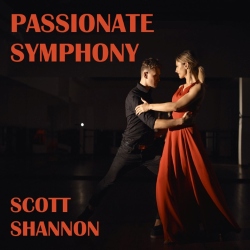
Scott Shannon
Released Album
Symphony
-
 January 10, 2021
 -
 January 9, 2021
 -
 January 5, 2021
 -
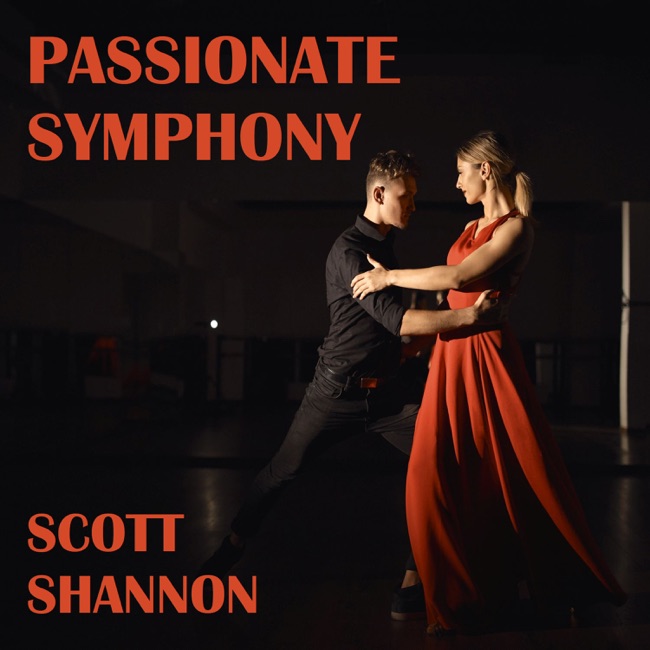 January 3, 2021
 -
 January 2, 2021
 -
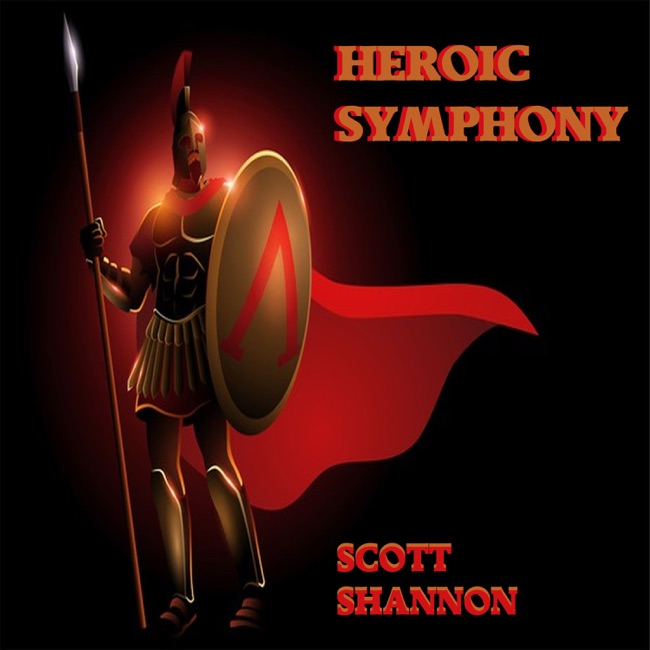 January 2, 2021
Orchestral
-
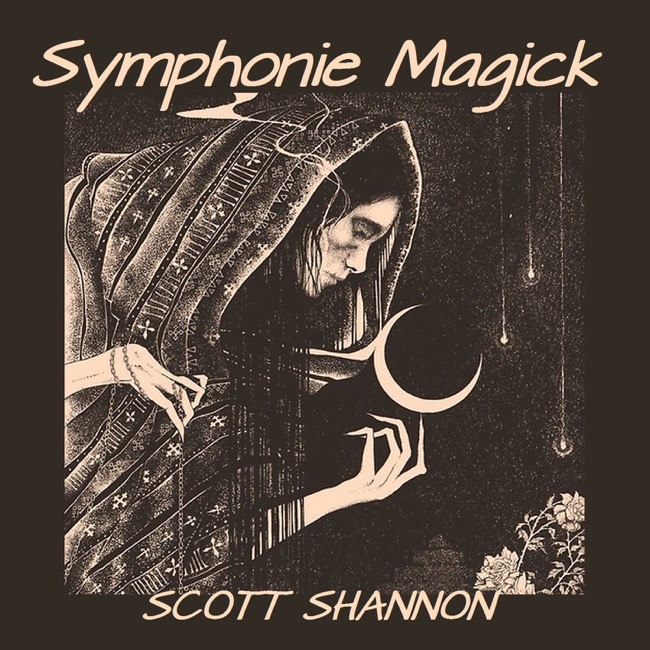 September 20, 2005
Keyboard
-
 November 13, 2015
 -

Ballet
-
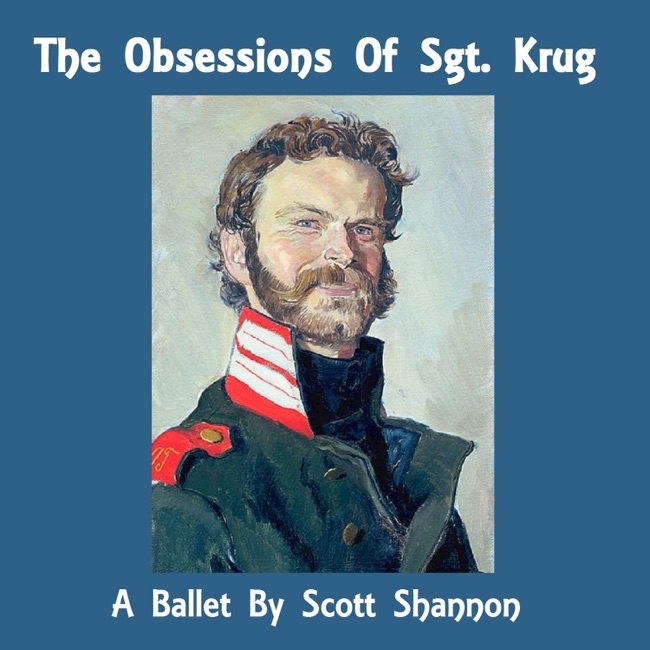 June 10, 2003
 -
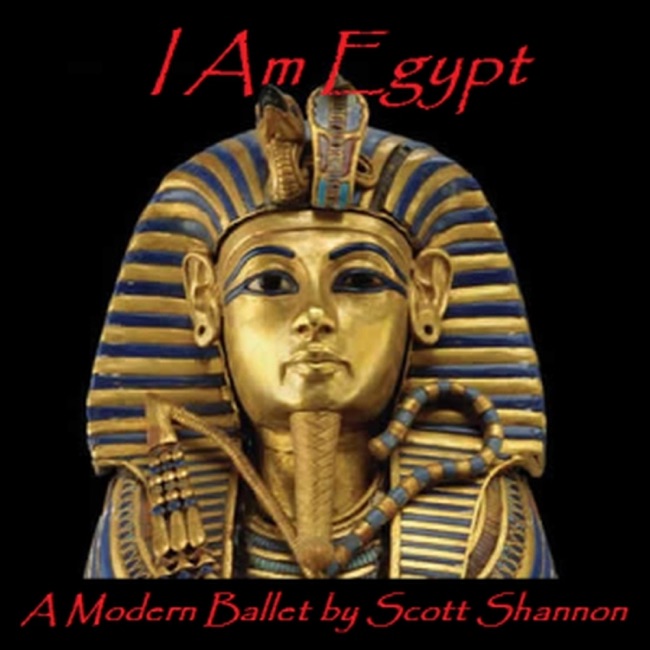 June 10, 2003
Artist Info
Role:ComposerGenre:Avant-GardeKeyboardScott Shannon was a renowned classical music composer who was born on May 12, 1950, in New York City, United States. He was the youngest of three children born to a family of musicians. His father was a pianist, and his mother was a violinist. Shannon's parents recognized his musical talent at an early age and encouraged him to pursue a career in music. Shannon began his musical training at the age of five, studying piano with his father. He showed exceptional talent and quickly progressed to more advanced pieces. At the age of eight, he began studying the violin with his mother. Shannon's parents also exposed him to a wide range of classical music, which helped him develop a deep appreciation for the art form. Shannon's musical education continued throughout his childhood and adolescence. He attended the Juilliard School of Music in New York City, where he studied composition with some of the most renowned composers of the time. He also studied piano and violin performance, which gave him a well-rounded musical education. After completing his studies at Juilliard, Shannon began his career as a composer. He quickly gained recognition for his innovative and expressive compositions. His music was characterized by its emotional depth, technical virtuosity, and unique harmonic language. One of Shannon's early works, "Symphony No. 1," was premiered by the New York Philharmonic in 1975. The piece was well-received by audiences and critics alike, and it established Shannon as a rising star in the classical music world. The symphony was characterized by its lush orchestration, soaring melodies, and complex harmonies. Over the next few years, Shannon continued to compose a wide range of works, including chamber music, solo pieces, and orchestral works. One of his most famous works from this period was "Concerto for Violin and Orchestra," which was premiered by the Boston Symphony Orchestra in 1980. The concerto was characterized by its virtuosic violin writing, lush orchestration, and emotional intensity. In the 1980s, Shannon's music began to incorporate more experimental elements. He began to explore electronic music and avant-garde techniques, which gave his music a more modern and edgy sound. One of his most famous works from this period was "Electronic Symphony," which was premiered by the San Francisco Symphony Orchestra in 1985. The piece was characterized by its use of electronic instruments, unconventional harmonies, and complex rhythms. Despite his experimentation with new techniques, Shannon never lost sight of his classical roots. He continued to compose works that were deeply rooted in the classical tradition, while also pushing the boundaries of the art form. One of his most famous works from this period was "String Quartet No. 2," which was premiered by the Kronos Quartet in 1990. The quartet was characterized by its intricate counterpoint, emotional intensity, and innovative use of timbre. In the 1990s, Shannon's music became more introspective and personal. He began to explore themes of loss, grief, and redemption in his compositions. One of his most famous works from this period was "Requiem," which was premiered by the New York Philharmonic in 1995. The piece was a tribute to Shannon's father, who had passed away the previous year. The requiem was characterized by its haunting melodies, lush harmonies, and emotional depth.More....
Recent Artist Music







Copyright Ⓒ 2013 Davinci Finger. All rights reseved
Service Terms & Policy