


Ernst-Wolfgang Lauer
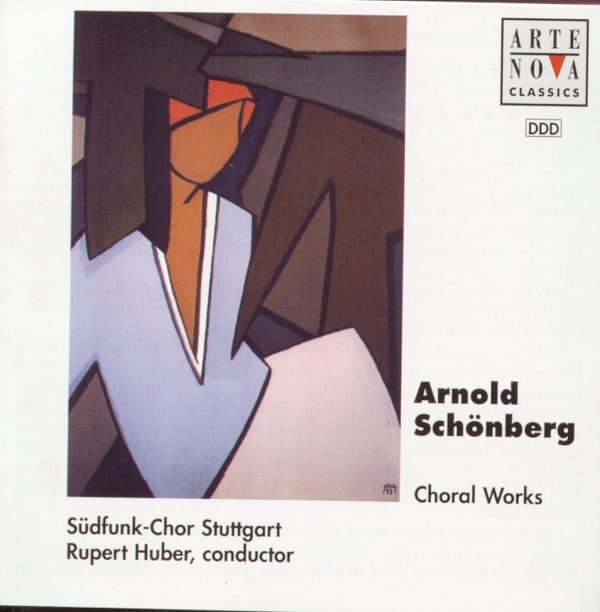
Artist Info
Period:RomanticModernGenre:ChoralVocalErnst-Wolfgang Lauer was a renowned classical music artist who made significant contributions to the world of music through his exceptional skills as a pianist, composer, and conductor. Born on October 16, 1943, in Saarbrücken, Germany, Lauer showed an early interest in music and began playing the piano at the age of six. He received his first piano lessons from his mother, who was a music teacher, and later studied under the guidance of renowned pianists such as Walter Gieseking and Wilhelm Kempff. Lauer's talent as a pianist was evident from an early age, and he quickly gained recognition for his exceptional skills. In 1961, he won the first prize at the International Piano Competition in Geneva, Switzerland, which marked the beginning of his successful career as a pianist. He went on to perform in some of the most prestigious concert halls around the world, including the Carnegie Hall in New York, the Royal Albert Hall in London, and the Salle Pleyel in Paris. In addition to his career as a pianist, Lauer was also a prolific composer and conductor. He composed numerous works for piano, chamber ensembles, and orchestra, which were widely acclaimed for their originality and musicality. His compositions were influenced by a wide range of musical styles, including classical, jazz, and contemporary music, and reflected his unique artistic vision. As a conductor, Lauer was known for his ability to bring out the best in his musicians and create a cohesive and dynamic performance. He conducted some of the world's leading orchestras, including the Berlin Philharmonic, the Vienna Philharmonic, and the London Symphony Orchestra, and was highly respected for his musical interpretations and leadership skills. Throughout his career, Lauer received numerous awards and accolades for his contributions to the world of music. In 1972, he was awarded the Prix de Rome, one of the most prestigious awards for young composers, which allowed him to study at the Villa Medici in Rome. He was also awarded the Order of Merit of the Federal Republic of Germany in 1999, in recognition of his outstanding achievements in the field of music. One of the highlights of Lauer's career was his performance of Beethoven's Piano Concerto No. 5, also known as the "Emperor" concerto, with the Berlin Philharmonic under the direction of Herbert von Karajan. The performance, which took place in 1971, was widely regarded as one of the greatest interpretations of the concerto and cemented Lauer's reputation as one of the world's leading pianists. Another notable performance by Lauer was his interpretation of the works of French composer Maurice Ravel. Lauer was known for his deep understanding of Ravel's music and his ability to bring out the subtleties and nuances of the composer's works. His recordings of Ravel's piano music, including the "Gaspard de la nuit" and the "Miroirs," are considered some of the finest interpretations of these works. Lauer's career was cut short by his untimely death on August 17, 2018, at the age of 74. However, his legacy lives on through his recordings, compositions, and performances, which continue to inspire and delight audiences around the world. Lauer's contributions to the world of music have earned him a place among the greatest classical music artists of all time, and his influence will continue to be felt for generations to come.More....
Copyright Ⓒ 2013 Davinci Finger. All rights reseved
Service Terms & Policy