


Ton de Leeuw
Released Album
Choral
-
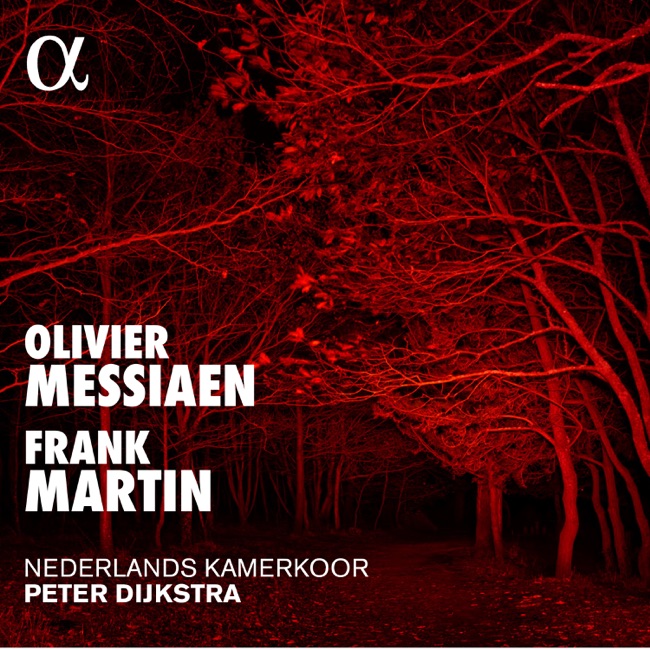 December 22, 2017
 -
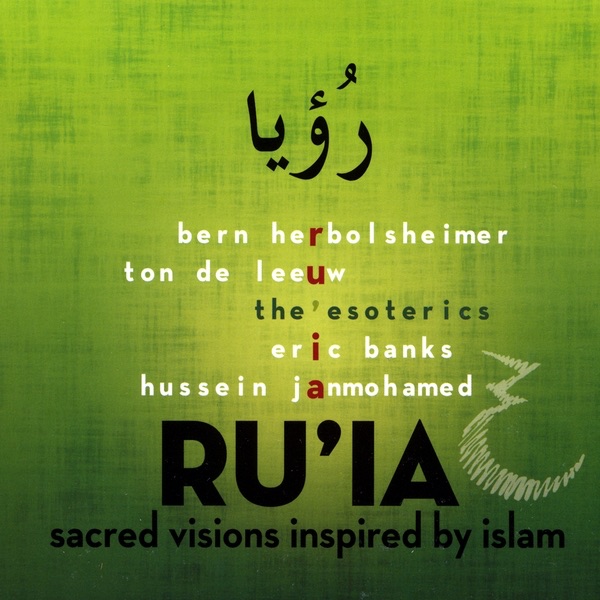 August 28, 2012
 -
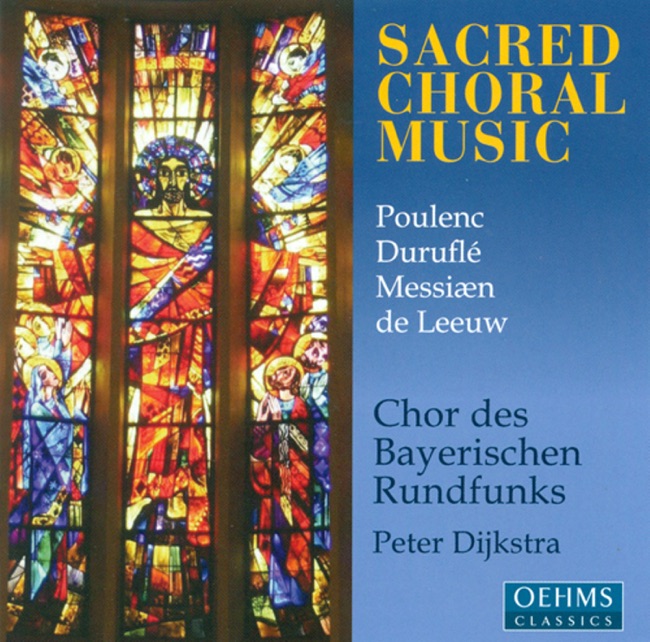 November 17, 2005
 -
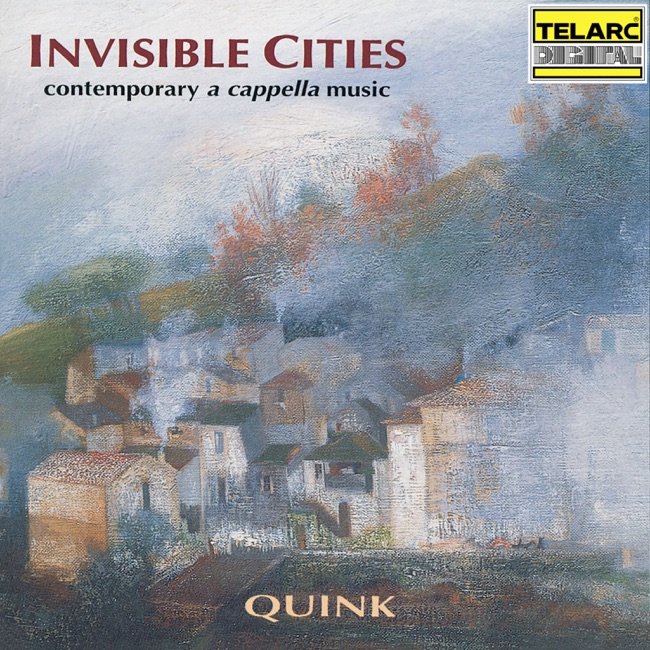 February 27, 1996
Chamber
-
 August 6, 2021
 -
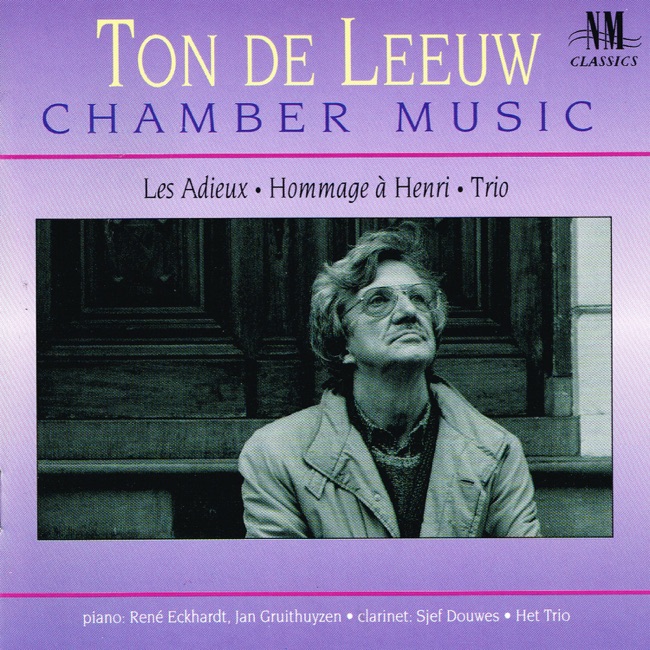 October 15, 1999
Vocal
-
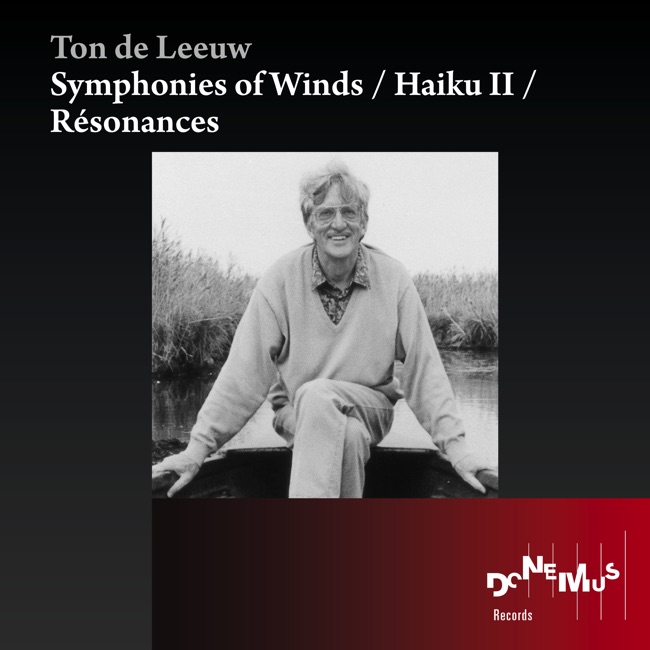 July 1, 1993
Artist Info
Role:ComposerCountry: NetherlandsBirth:November 16, 1926Period:ContemporaryGenre:ChoralTon de Leeuw was a Dutch composer and musicologist who was born on November 16, 1926, in Rotterdam, Netherlands. He was the son of a music teacher and grew up in a musical family. His father was a conductor and his mother was a pianist. Ton de Leeuw started playing the piano at a young age and showed an early interest in music. De Leeuw studied music at the Rotterdam Conservatory and later at the Amsterdam Conservatory. He also studied composition with the renowned Dutch composer, Henk Badings. In 1950, he won the Prix de Rome, a prestigious award for young composers, which allowed him to study in Italy for two years. After returning to the Netherlands, de Leeuw worked as a music teacher and composer. He also became interested in ethnomusicology and studied the music of various cultures, including Indonesian gamelan music. This interest in non-Western music had a significant influence on his compositions. De Leeuw's early works were influenced by the serialism of composers such as Arnold Schoenberg and Anton Webern. However, he soon began to develop his own style, which was characterized by a focus on timbre and texture. He also incorporated elements of non-Western music into his compositions, such as the use of microtones and non-tempered scales. One of de Leeuw's most significant works is his opera, Antigone, which was premiered in 1968. The opera is based on the Greek tragedy by Sophocles and features a libretto by the Dutch poet, Hugo Claus. The music is characterized by its use of microtones and non-tempered scales, as well as its complex rhythms and textures. Another notable work by de Leeuw is his Symphony No. 1, which was premiered in 1959. The symphony is characterized by its use of serial techniques and its complex rhythms and textures. It also features a prominent role for percussion instruments, which de Leeuw had studied extensively. In addition to his work as a composer, de Leeuw was also a musicologist and wrote several books on music theory and ethnomusicology. His most famous book is probably Music of the Twentieth Century, which was first published in 1966 and has since become a standard text in musicology. De Leeuw was also a professor of musicology at the University of Amsterdam from 1966 to 1986. He was known for his innovative teaching methods and his ability to inspire his students. Many of his former students went on to become successful composers and musicologists in their own right. De Leeuw continued to compose and teach until his death on May 31, 1996, in Paris, France. He was 69 years old. His legacy as a composer and musicologist continues to be felt today, and his influence can be heard in the work of many contemporary composers.More....
Recent Artist Music
Copyright Ⓒ 2013 Davinci Finger. All rights reseved
Service Terms & Policy