


Clarence Cameron White
Released Album
Chamber
-
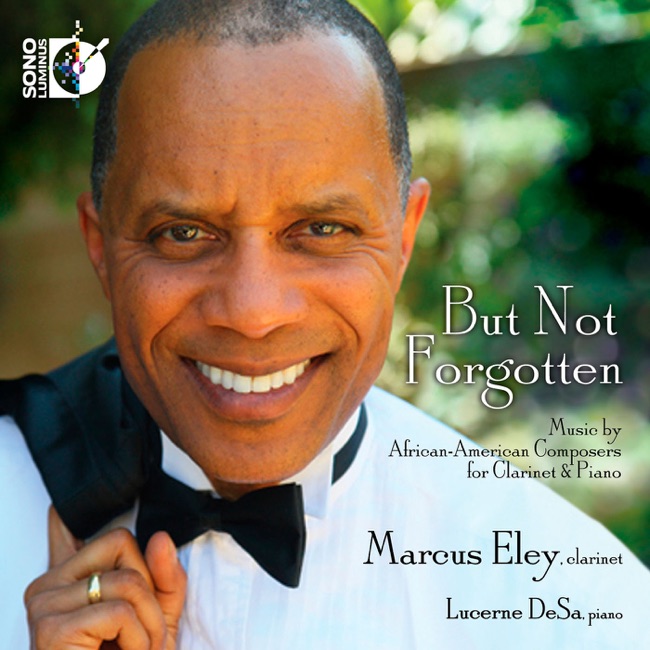 July 2, 2012
 -
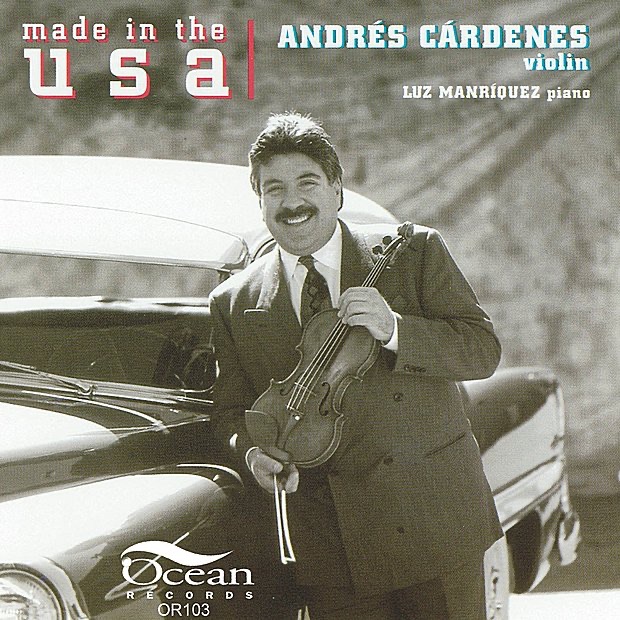 October 6, 2009
 -
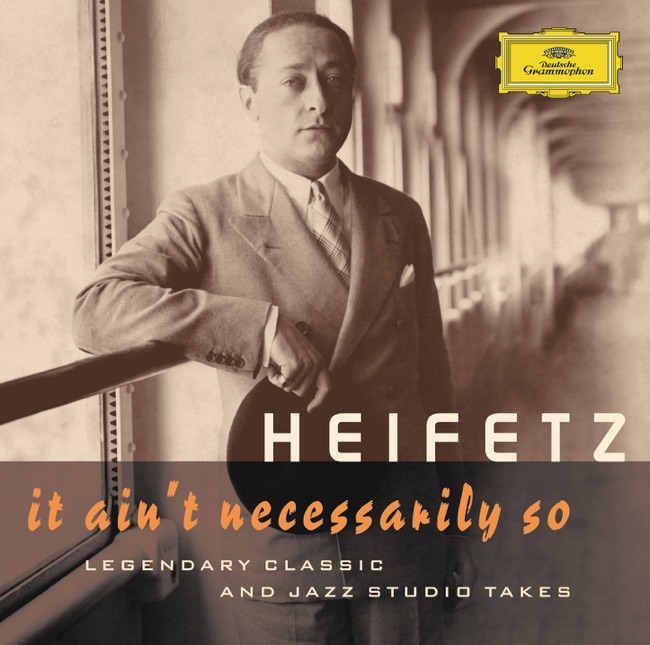 October 10, 2006
 -
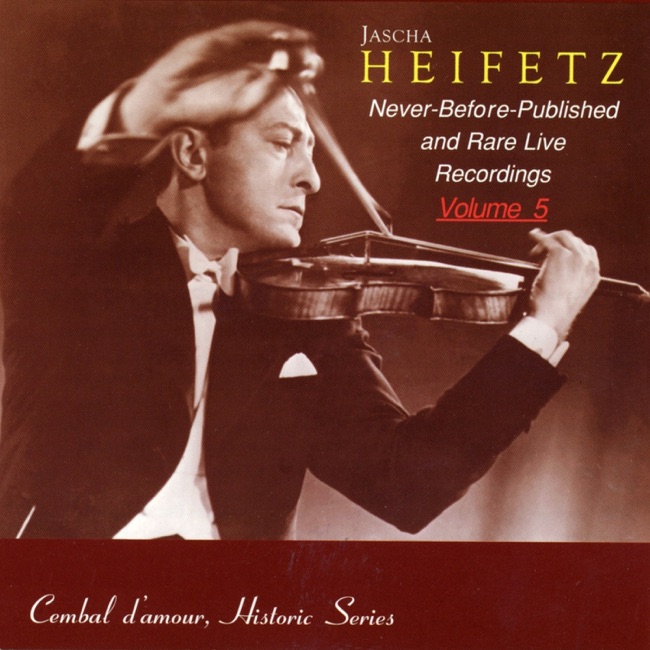 November 25, 2003
Artist Info
Role:ComposerBirth:August 10, 1880 in Clarksville, TNDeath:June 30, 1960 in New York, NYPeriod:ModernGenre:ChamberClarence Cameron White was an American composer, violinist, and music educator who was born on August 10, 1880, in Clarksville, Tennessee. He was the son of a prominent African American physician, Dr. Charles White, and his wife, Mary White. Clarence showed an early interest in music and began playing the violin at the age of six. He received his first formal music lessons from his mother, who was a pianist and organist. In 1895, Clarence's family moved to Washington, D.C., where he continued his music studies with the renowned violinist and teacher, Joseph Douglass. He also studied harmony and composition with the composer and pianist, Samuel Coleridge-Taylor. In 1901, Clarence won a scholarship to study at the Oberlin Conservatory of Music in Ohio, where he studied violin with Henry Holmes and composition with Percy Goetschius. After graduating from Oberlin in 1904, Clarence moved to Boston, where he continued his music studies at the New England Conservatory of Music. He studied violin with Franz Kneisel and composition with George Whitefield Chadwick. In 1907, Clarence won the prestigious George W. Chadwick Medal for his composition, "Lament," which was performed by the Boston Symphony Orchestra. In 1908, Clarence moved to Paris to study at the Conservatoire de Paris. He studied violin with Jacques Thibaud and composition with Charles-Marie Widor and Vincent d'Indy. While in Paris, Clarence became friends with the composer and pianist, Maurice Ravel, who was impressed with his compositions and encouraged him to continue composing. Clarence returned to the United States in 1911 and settled in New York City. He became a prominent figure in the city's music scene and performed as a soloist and chamber musician. He also began teaching at the Institute of Musical Art (which later became the Juilliard School) and the New York College of Music. Clarence's compositions were influenced by his African American heritage and his experiences living in Europe. He incorporated elements of African American spirituals, blues, and jazz into his classical compositions. His most famous work is his opera, "Ouanga," which premiered in 1932 at the Metropolitan Opera House in New York City. The opera tells the story of a Haitian slave rebellion and features a mix of classical and African American musical styles. Other notable works by Clarence include his violin concerto, which was premiered by the New York Philharmonic in 1940, and his "Afro-American Suite," which was premiered by the Boston Symphony Orchestra in 1929. He also composed numerous chamber music works, including string quartets, piano trios, and sonatas. In addition to his career as a composer, Clarence was also a dedicated music educator. He believed in the importance of music education for all children and worked to promote music education in public schools. He also founded the White School of Music in New York City, which provided music lessons to underprivileged children. Clarence Cameron White died on June 30, 1960, in Freeport, New York. He left behind a legacy as a pioneering African American composer and musician who broke down barriers and paved the way for future generations of African American musicians. His compositions continue to be performed and celebrated today, and his contributions to American classical music are widely recognized and appreciated.More....
Recent Artist Music
1

3:21

4

2:54
5
3:7

Copyright Ⓒ 2013 Davinci Finger. All rights reseved
Service Terms & Policy