


Richard Teitelbaum
Released Album
Keyboard
-
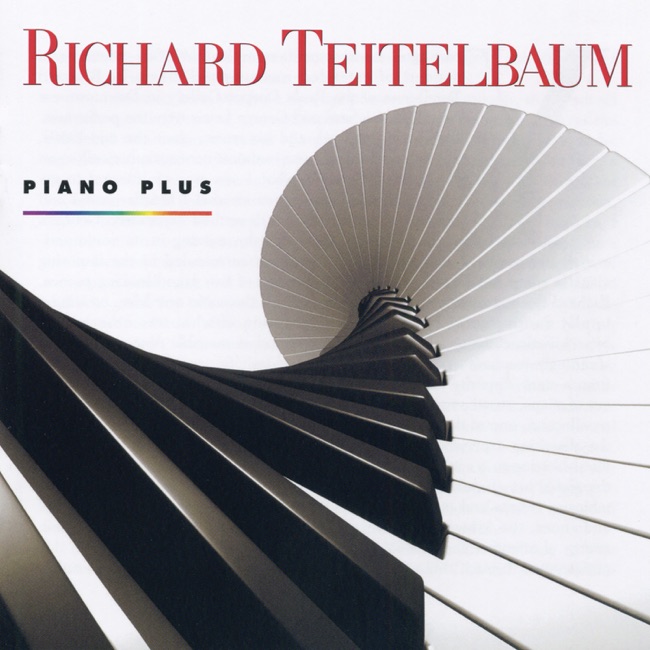 November 12, 2013
Chamber
-
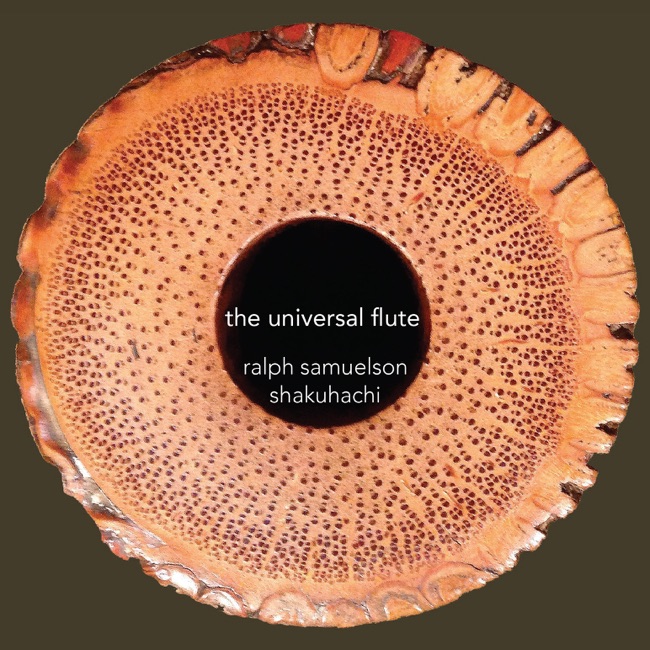 July 29, 2016
Avant-Garde
-
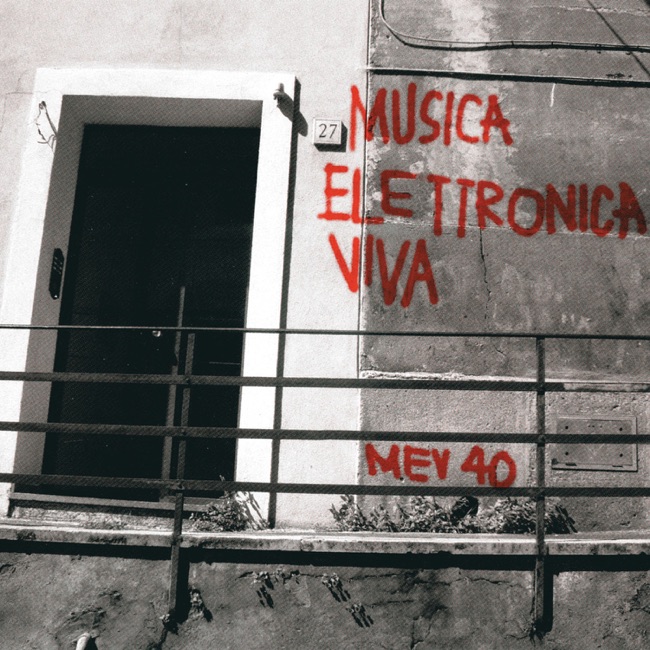 January 1, 2008
Artist Info
Role:Composer PerformerCountry: United States of AmericaBirth:May 19, 1939 in New York City, NYDeath:April 16, 2020 in Kingston, NYGenre:Avant-GardeElectronic/ComputerRichard Teitelbaum was an American composer and electronic musician who was born on May 19, 1939, in New York City. He grew up in a musical family, with his father being a violinist and his mother a pianist. Teitelbaum began playing the piano at a young age and later studied composition at Yale University, where he earned his Bachelor of Arts degree in 1961. After completing his studies, Teitelbaum moved to Europe, where he became interested in electronic music. He studied with Karlheinz Stockhausen in Germany and also spent time in Italy, where he worked with the experimental composer Luciano Berio. Teitelbaum was particularly drawn to the possibilities of using electronic instruments to create new sounds and textures in his music. In the 1960s, Teitelbaum became involved in the avant-garde music scene in New York City. He was a founding member of the group Musica Elettronica Viva (MEV), which was known for its improvisational performances using electronic instruments. MEV was one of the first groups to explore the possibilities of live electronic music, and their performances were often chaotic and unpredictable. Teitelbaum's early works were heavily influenced by his experiences with MEV. He often used electronic instruments to create complex, layered textures that were meant to be experienced in a live setting. One of his most famous works from this period is "Spacecraft," a piece for live electronics and tape that was first performed in 1967. The piece was inspired by the idea of space travel and features a variety of electronic sounds that are meant to evoke the feeling of being in a spaceship. In the 1970s, Teitelbaum began to incorporate more traditional instruments into his compositions. He worked with a variety of musicians, including jazz saxophonist Steve Lacy and classical pianist Ursula Oppens. He also began to experiment with different types of electronic instruments, including synthesizers and computer-generated sounds. One of Teitelbaum's most famous works from this period is "Golem," a multimedia opera that was first performed in 1984. The piece was inspired by the Jewish legend of the golem, a creature made of clay that is brought to life by a rabbi. The opera features a variety of electronic and acoustic instruments, as well as video projections and other visual elements. Teitelbaum continued to compose and perform throughout the 1990s and 2000s. He was particularly interested in exploring the possibilities of live electronic music and often performed with other musicians in improvised settings. He also continued to collaborate with visual artists and dancers, creating multimedia performances that combined music, video, and movement. Teitelbaum passed away on April 8, 2018, at the age of 78. He left behind a legacy as a pioneering composer and electronic musician who pushed the boundaries of what was possible in music. His work continues to inspire musicians and audiences around the world.More....
Recent Artist Music
Copyright Ⓒ 2013 Davinci Finger. All rights reseved
Service Terms & Policy