


Dane Rudhyar
Released Album
Keyboard
-
 December 24, 2021
 -
 November 19, 2013
 -
 July 14, 2009
 -
 April 4, 2005
 -
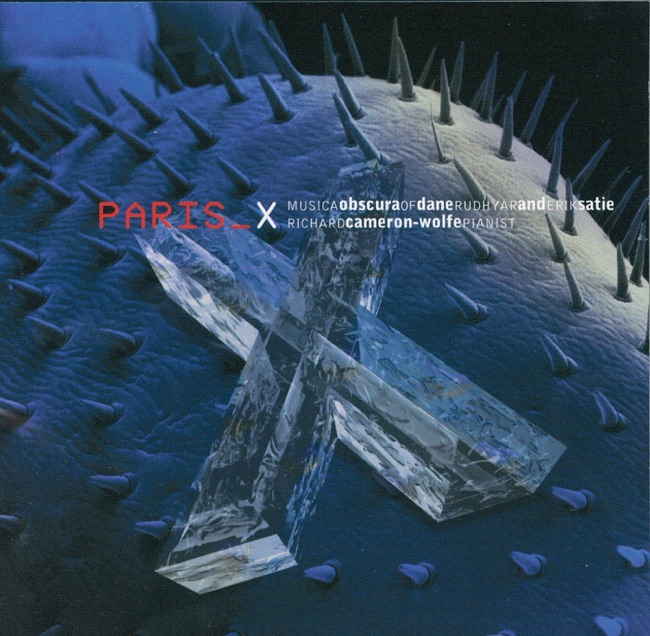 October 28, 2003
 -
 April 18, 1995
Artist Info
Role:ComposerCountry: FranceBirth:March 23, 1895 in Paris, FranceDeath:September 13, 1985 in San Francisco, CAGenre:Avant-GardeKeyboardDane Rudhyar was a French-American composer, philosopher, and astrologer who was born on March 23, 1895, in Paris, France. He was the son of a Russian father and a French mother, and his family moved to the United States when he was still a child. Rudhyar showed an early interest in music and began studying piano at the age of six. He later studied composition with Edgar Varèse and Henry Cowell, two of the most innovative composers of the early 20th century. Rudhyar's early works were influenced by the Impressionist and Symbolist movements in art and literature. He was particularly interested in the ideas of the French philosopher Henri Bergson, who argued that time and space were not absolute but were instead relative to the observer. Rudhyar's music reflected this idea, with its fluid rhythms and shifting harmonies. In the 1920s, Rudhyar became interested in theosophy, a spiritual movement that sought to reconcile science and religion. He began to incorporate theosophical ideas into his music, using symbols and archetypes to express spiritual concepts. His music became more abstract and experimental, with a focus on sound color and texture rather than melody and harmony. One of Rudhyar's most important works from this period is "Granites," a piano suite that was inspired by the writings of the American poet Robinson Jeffers. The suite consists of five movements, each of which represents a different type of granite rock. The music is characterized by its angular rhythms and dissonant harmonies, which reflect the hardness and solidity of the granite. In the 1930s, Rudhyar became interested in astrology, which he saw as a way of understanding the relationship between the individual and the cosmos. He began to incorporate astrological symbolism into his music, using the movements of the planets and stars as a basis for his compositions. He also began to write extensively on astrology, publishing several books on the subject. One of Rudhyar's most famous works from this period is "Stars," a piano suite that was inspired by the constellations of the zodiac. The suite consists of twelve movements, each of which represents a different zodiac sign. The music is characterized by its shimmering textures and ethereal harmonies, which reflect the mystical qualities of the stars. During the 1940s and 1950s, Rudhyar's music became more introspective and meditative. He began to explore the idea of the "inner self," using music as a means of expressing the innermost thoughts and feelings of the individual. His music became more tonal and lyrical, with a focus on melody and harmony. One of Rudhyar's most important works from this period is "Pentagrams," a piano suite that was inspired by the five-pointed star. The suite consists of five movements, each of which represents a different aspect of the inner self. The music is characterized by its gentle melodies and lush harmonies, which reflect the beauty and complexity of the human psyche. Rudhyar continued to compose music and write on astrology and philosophy until his death on September 13, 1985, in San Francisco, California. His music and ideas continue to influence composers and thinkers around the world, and his legacy as a visionary artist and philosopher remains strong to this day.More....
Recent Artist Music
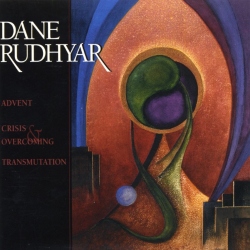
2
3:12



7

3:57

Copyright Ⓒ 2013 Davinci Finger. All rights reseved
Service Terms & Policy