


René Eespere
Released Album
Chamber
-
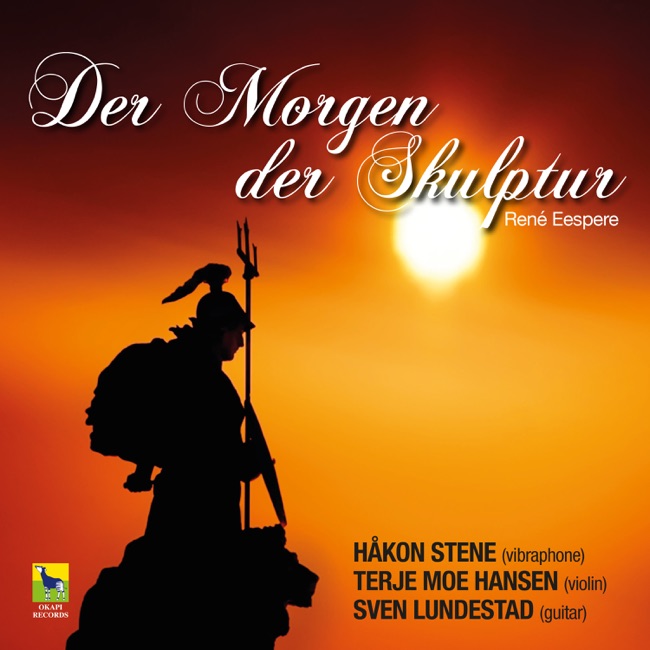 February 14, 2020
 -
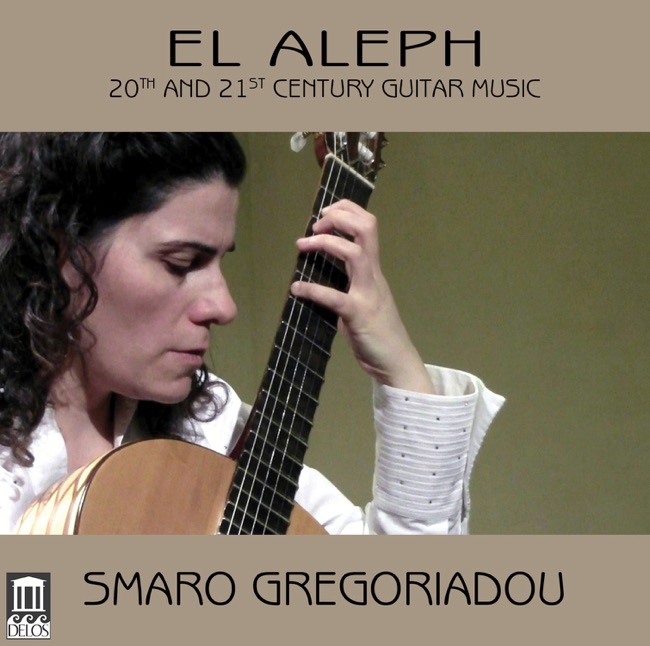 February 12, 2016
 -
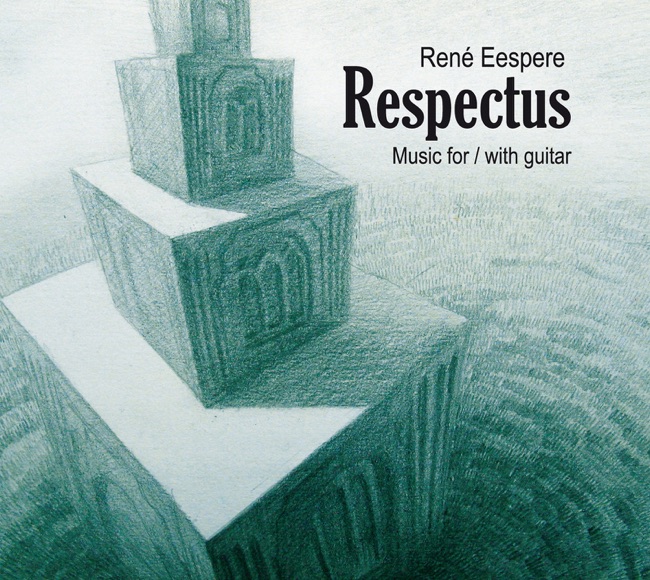 July 7, 2014
 -
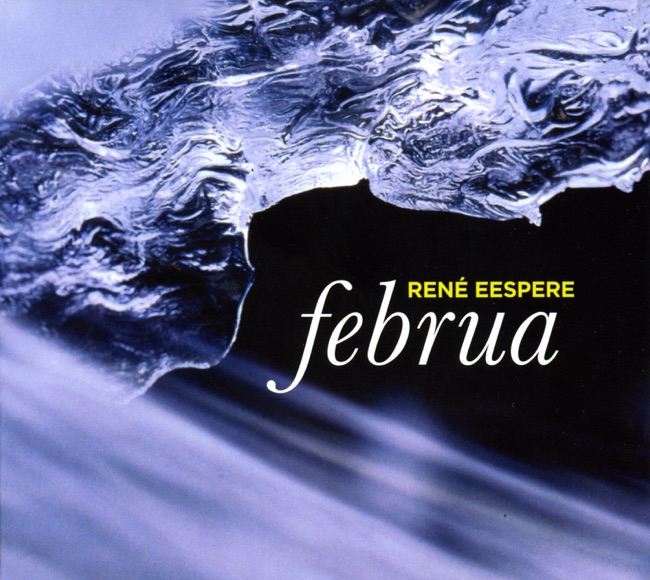 July 2, 2010
 -
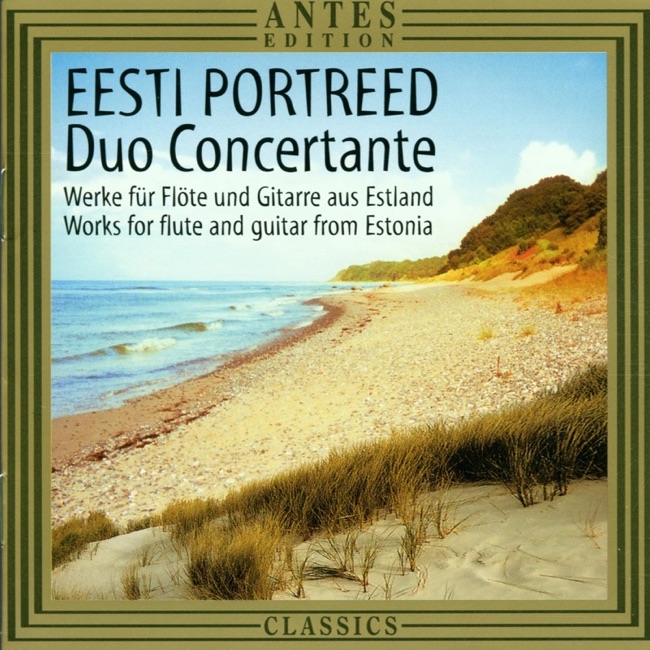 May 17, 2001
Vocal
-
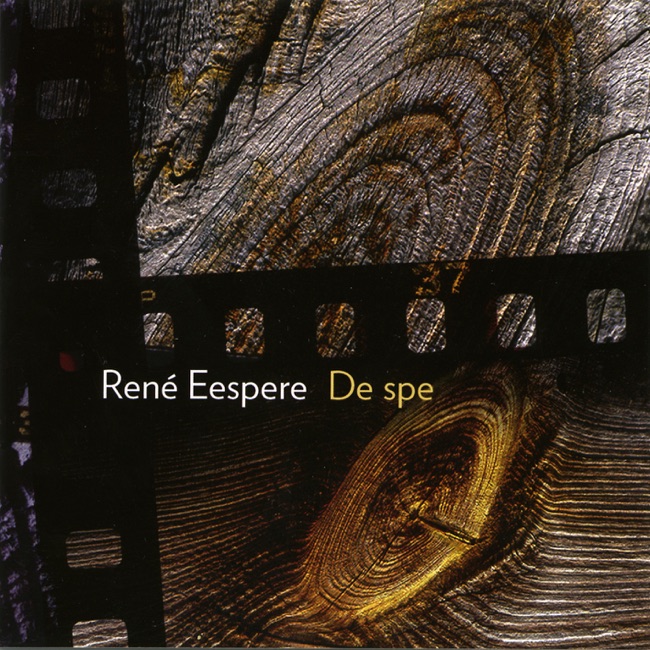 July 2, 2010
 -
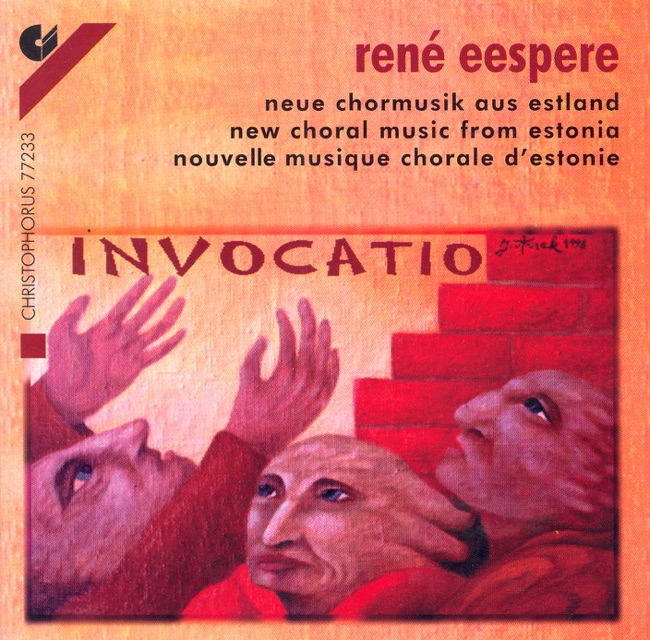 October 17, 2000
Keyboard
-
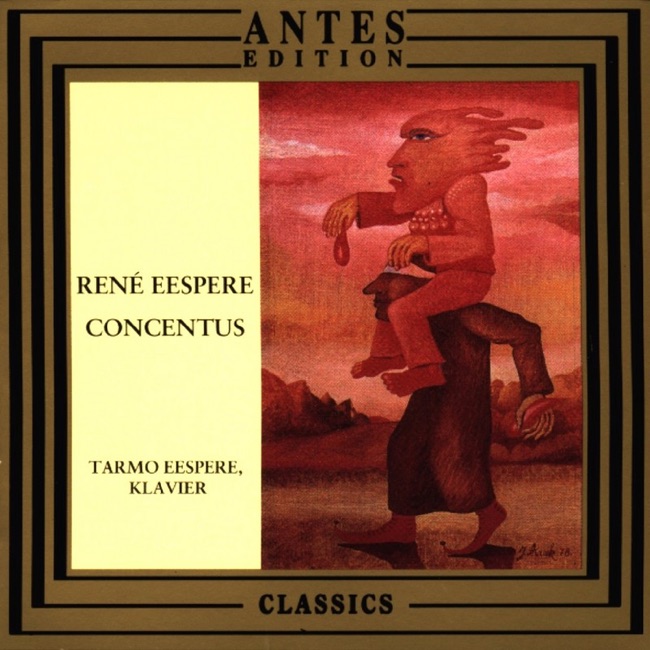 August 19, 2008
Concerto
-
 April 16, 2012
 -
Artist Info
Role:ComposerCountry: EstoniaBirth:December 14, 1953 in Tallinn, EstoniaGenre:ChamberChoralConcertoVocalRené Eespere is a renowned Estonian composer who has made significant contributions to the world of classical music. Born on December 14, 1953, in Tallinn, Estonia, Eespere grew up in a family of musicians. His father was a composer and his mother was a pianist, which exposed him to music at a young age. Eespere started playing the piano at the age of six and later learned to play the guitar and the accordion. Eespere attended the Tallinn Music High School, where he studied composition under the guidance of Heino Eller, a prominent Estonian composer. After completing his studies at the Tallinn Music High School, Eespere enrolled at the Estonian Academy of Music and Theatre, where he continued his studies in composition. He graduated from the academy in 1977 with a degree in composition. Eespere's early works were influenced by the music of his father, as well as the works of other Estonian composers such as Veljo Tormis and Arvo Pärt. His music is characterized by a unique blend of traditional Estonian folk music and contemporary classical music. Eespere's compositions are known for their emotional depth, intricate harmonies, and use of unconventional instruments. One of Eespere's most notable works is his Symphony No. 1, which was composed in 1984. The symphony is divided into three movements and is scored for a large orchestra. The first movement is characterized by a slow and somber melody, while the second movement is more lively and energetic. The final movement is a powerful and emotional piece that features a soaring melody and intricate harmonies. Another notable work by Eespere is his Concerto for Violin and Orchestra, which was composed in 1990. The concerto is scored for a solo violin and a large orchestra and is divided into three movements. The first movement is characterized by a slow and melancholic melody, while the second movement is more lively and energetic. The final movement is a virtuosic piece that showcases the technical abilities of the soloist. Eespere's music has been performed by numerous orchestras and ensembles around the world, including the Estonian National Symphony Orchestra, the Latvian National Symphony Orchestra, and the Moscow Philharmonic Orchestra. He has also received numerous awards and honors for his contributions to the world of classical music, including the Estonian State Cultural Award in 1996 and the Order of the White Star in 2003. In addition to his work as a composer, Eespere has also been active as a music educator. He has taught composition at the Estonian Academy of Music and Theatre since 1985 and has also served as a visiting professor at several universities around the world. Overall, René Eespere is a highly respected composer who has made significant contributions to the world of classical music. His unique blend of traditional Estonian folk music and contemporary classical music has earned him a place among the most innovative and influential composers of his generation.More....
Recent Artist Music
3
5:21


Copyright Ⓒ 2013 Davinci Finger. All rights reseved
Service Terms & Policy