


Bartholomeo de Escobedo
Released Album
Choral
-
 August 3, 2009
 -
 November 1, 1998
Artist Info
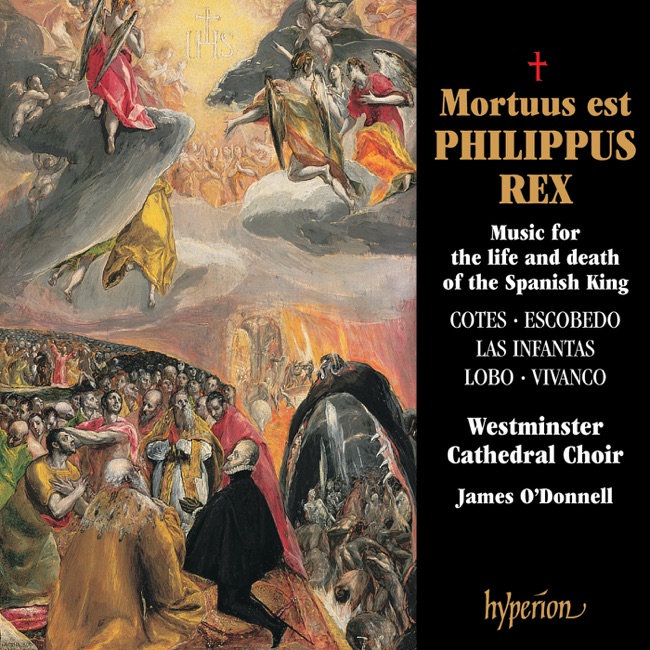
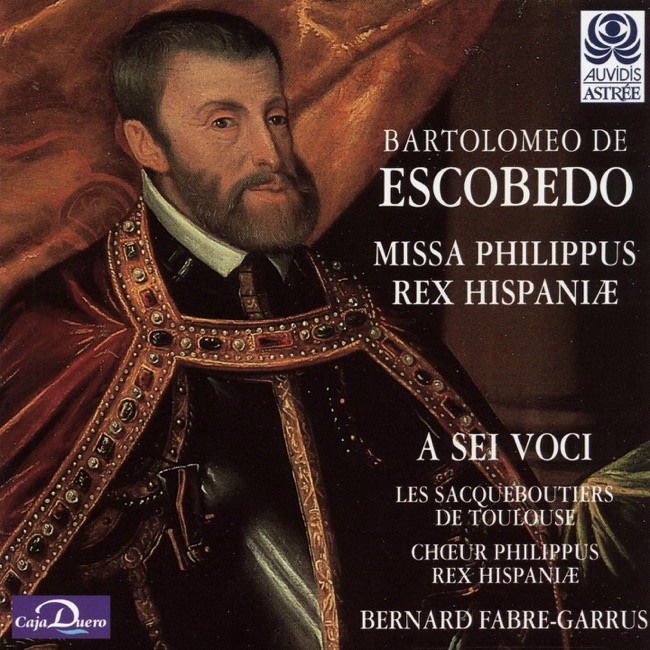
Role:ComposerBirth:1515Death:1563Bartholomeo de Escobedo was a Spanish composer of the Renaissance period, born in the early 16th century in the city of Burgos. Not much is known about his early life, but it is believed that he received his musical education in the Cathedral of Burgos, where he served as a choirboy. Escobedo's talent as a composer was recognized early on, and he was appointed as the maestro de capilla (music director) of the Cathedral of Palencia in 1540, at the age of 25. He held this position for over 30 years, until his death in 1578. During his tenure at the Cathedral of Palencia, Escobedo composed a significant amount of sacred music, including masses, motets, and hymns. His works were highly regarded by his contemporaries, and he was considered one of the leading composers of his time. One of Escobedo's most famous works is his Missa Philippus Rex Hispaniae, a mass composed in honor of King Philip II of Spain. The mass is written for six voices and is notable for its intricate polyphonic textures and expressive harmonies. It is considered one of the finest examples of Spanish Renaissance music. Another notable work by Escobedo is his Lamentations for Holy Week, a set of three pieces that are sung during the Tenebrae service on Maundy Thursday and Good Friday. The Lamentations are written for four voices and are characterized by their mournful melodies and rich harmonies. Escobedo's music is also notable for its use of chromaticism, a technique that was relatively new at the time. Chromaticism involves the use of notes outside of the diatonic scale, and it was used by composers to create new and expressive harmonies. Escobedo's use of chromaticism is particularly evident in his motet O Domine Jesu Christe, which features a complex and highly chromatic vocal line. In addition to his compositions, Escobedo was also known for his skill as an organist. He was appointed as the organist of the Cathedral of Palencia in 1550, and he held this position until his death. His organ music is less well-known than his vocal works, but it is still highly regarded for its technical virtuosity and expressive power. Escobedo's legacy as a composer has endured to the present day, and his music continues to be performed and recorded by choirs and ensembles around the world. His contributions to the development of Spanish Renaissance music are significant, and his works remain an important part of the musical heritage of Spain.More....
Recent Artist Music
Copyright Ⓒ 2013 Davinci Finger. All rights reseved
Service Terms & Policy