


USSR Radio Large Symphony Orchestra
Released Album
Concerto
-
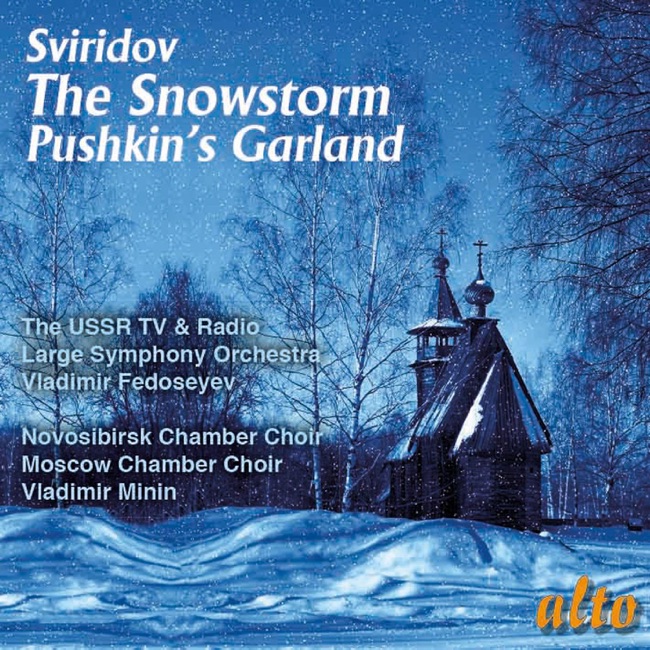 June 3, 2016
 -
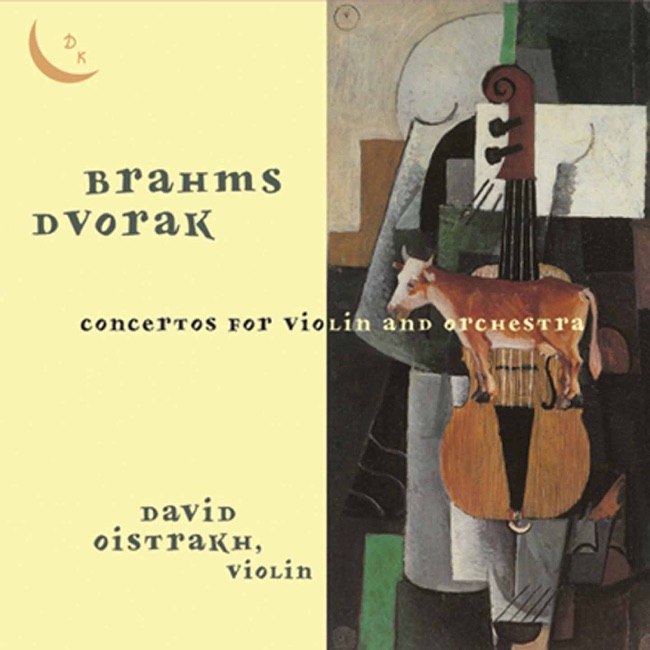 November 1, 2015
 -
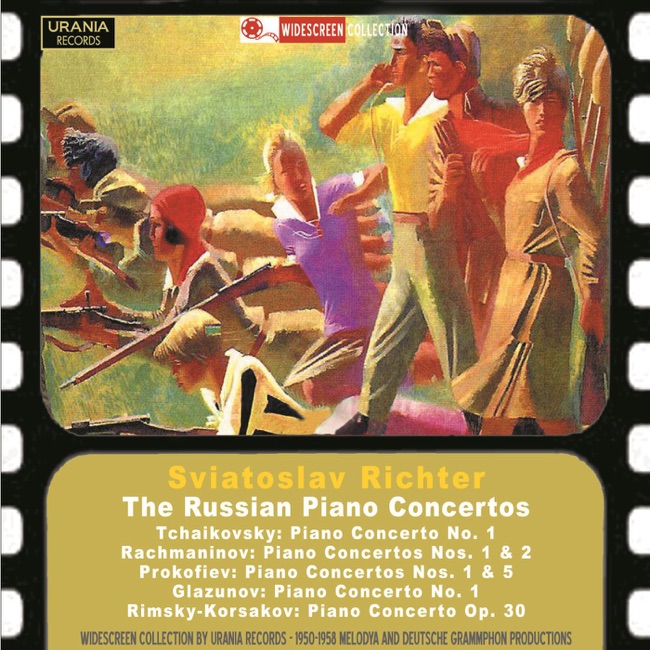 October 1, 2014
 -
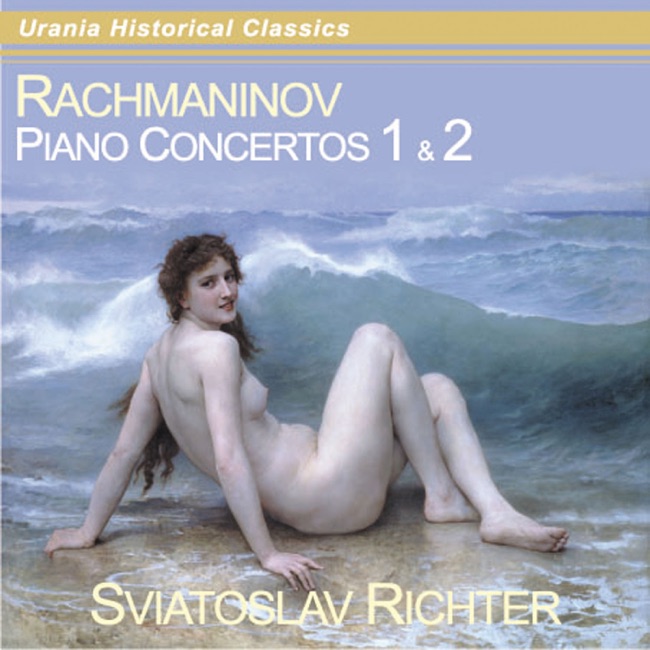 February 3, 2010
 -
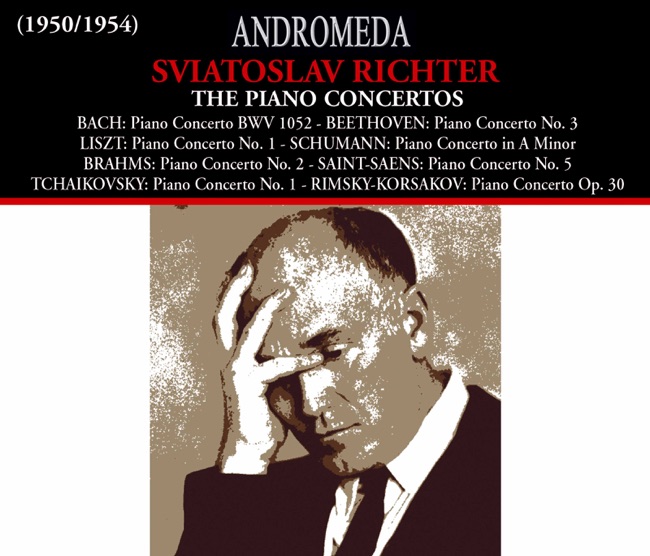
Symphony
-
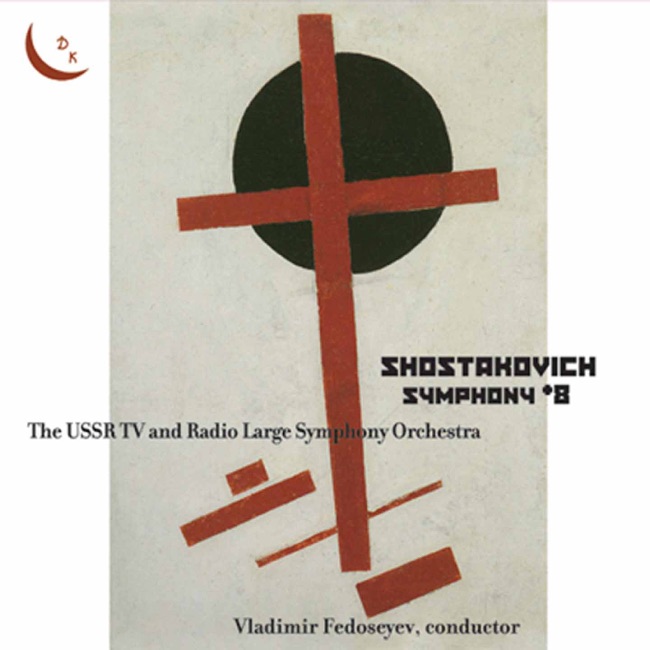 January 1, 2016
Artist Info
Role:EnsembleThe USSR Radio Large Symphony Orchestra was one of the most prominent classical music ensembles in the Soviet Union. Founded in 1930, the orchestra quickly gained a reputation for its high-quality performances and became a symbol of Soviet cultural excellence. The orchestra was initially formed as the All-Union Radio Symphony Orchestra, with the aim of providing live music for radio broadcasts across the Soviet Union. Its first conductor was Nikolai Golovanov, a renowned Russian conductor who had previously led the Bolshoi Theatre Orchestra. Under Golovanov's leadership, the orchestra quickly established itself as one of the finest in the country. Over the years, the orchestra underwent several name changes, reflecting the changing political and cultural landscape of the Soviet Union. In 1952, it was renamed the USSR State Symphony Orchestra, and in 1966 it became the USSR Radio and Television Symphony Orchestra. Finally, in 1991, following the collapse of the Soviet Union, it was renamed the Russian State Symphony Orchestra. Throughout its history, the orchestra attracted some of the most talented musicians in the Soviet Union. Its roster included many of the country's most celebrated soloists and conductors, including David Oistrakh, Sviatoslav Richter, and Evgeny Mravinsky. These musicians helped to establish the orchestra's reputation for excellence and contributed to its many successes over the years. One of the orchestra's most notable achievements was its performance of Shostakovich's Symphony No. 7, which took place during the Siege of Leningrad in 1942. The performance was broadcast live across the city, providing a much-needed morale boost for the beleaguered population. The orchestra's musicians had to endure extreme hardship during the siege, with many of them suffering from hunger and illness. Despite these challenges, they managed to deliver a powerful and moving performance that has gone down in history as one of the greatest musical events of the 20th century. In addition to its wartime performances, the orchestra also made a name for itself on the international stage. It toured extensively throughout Europe and Asia, performing in some of the world's most prestigious concert halls. Its performances were often met with critical acclaim, and it won numerous awards and accolades over the years. One of the orchestra's most famous conductors was Yevgeny Svetlanov, who led the ensemble from 1965 to 2000. Svetlanov was known for his passionate and expressive conducting style, and he helped to cement the orchestra's reputation as one of the finest in the world. Under his leadership, the orchestra recorded a vast repertoire of classical music, including works by Tchaikovsky, Rachmaninoff, and Prokofiev. Despite its many successes, the orchestra faced numerous challenges over the years. The collapse of the Soviet Union in 1991 led to a period of uncertainty and financial instability, and the orchestra struggled to maintain its high standards in the face of budget cuts and declining public interest in classical music. However, it continued to perform and record, and in recent years it has enjoyed a resurgence in popularity, thanks in part to the efforts of its current conductor, Valery Polyansky. Today, the Russian State Symphony Orchestra continues to be one of the most respected and admired classical music ensembles in the world.More....
Recent Artist Music
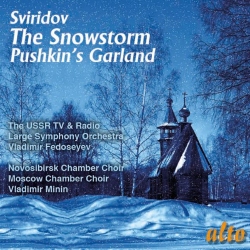
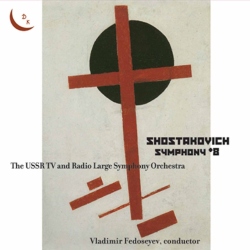
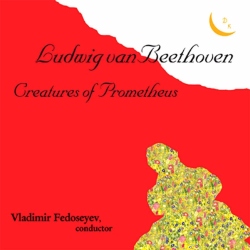
6
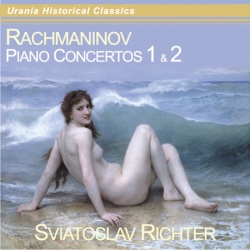
12:28
7
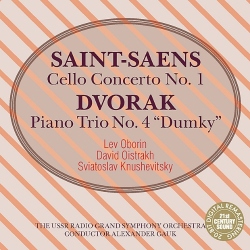
Cello Concerto No. 1 in A minor, Op. 33
I. Allegro non Troppo: II. Allegretto con Moto: III. Tempo I. Allegro non Troppo
18:53
9
12:28
10
8:30
Copyright Ⓒ 2013 Davinci Finger. All rights reseved
Service Terms & Policy