


Michael Gordon
Released Album
Chamber
-
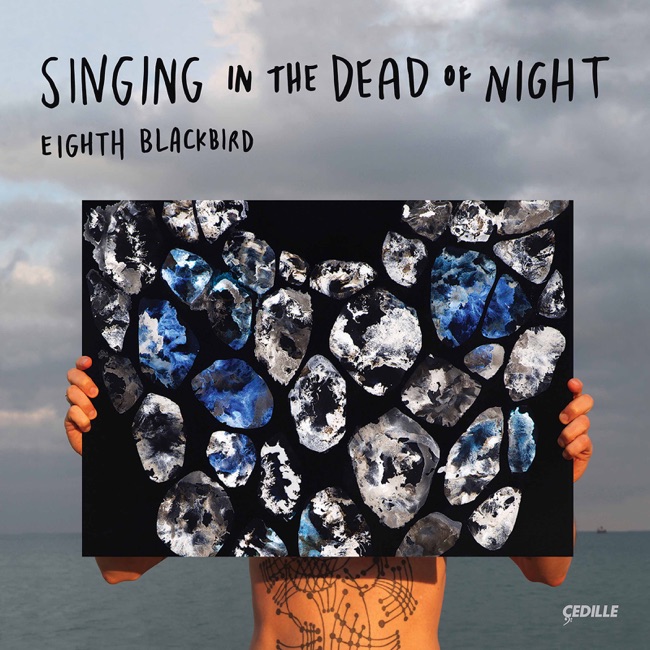 June 12, 2020
 -
 September 21, 2018
 -
 September 21, 2018
 -
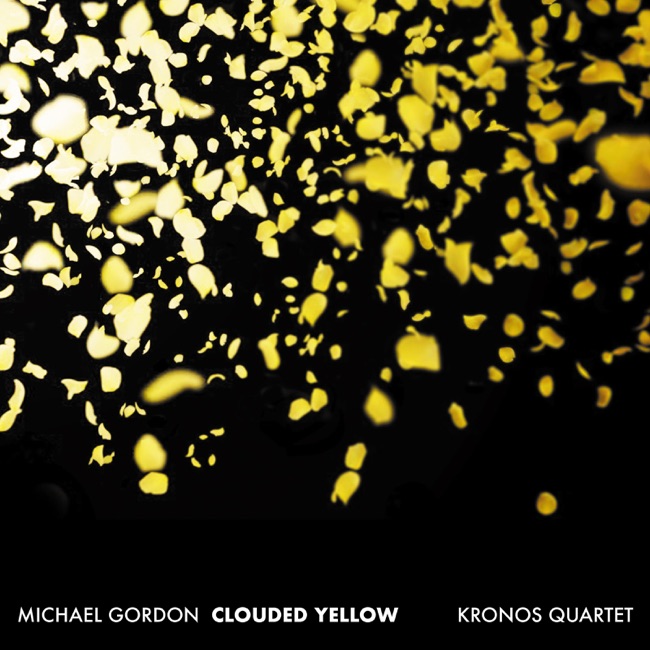 May 4, 2018
 -
 October 28, 2016
 -
 March 25, 2014
Orchestral
-
-
 March 30, 1999
Choral
-
 March 20, 2020
 -
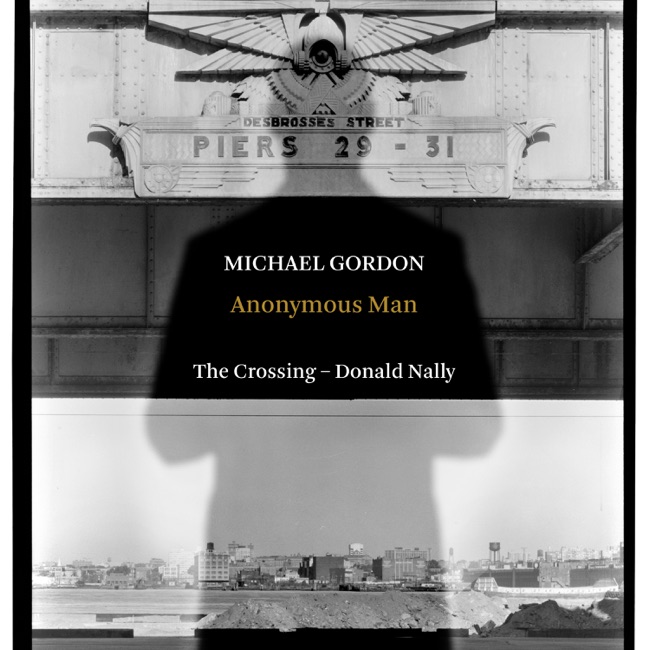 February 7, 2020
 -
 May 19, 2017
Vocal
-
 July 21, 2017
 -
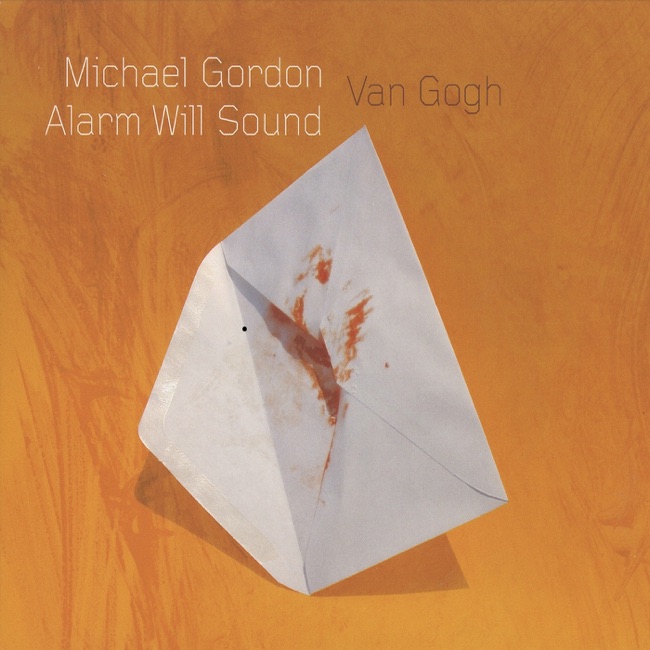 February 12, 2008
Artist Info
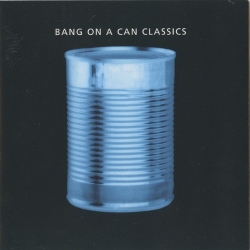
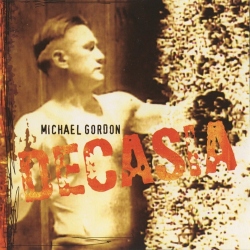
Role:ComposerCountry: United States of AmericaBirth:July 20, 1956 in Miami Beach, FLPeriod:ContemporaryGenre:Avant-GardeChamberOrchestralMichael Gordon is a contemporary classical music composer who was born on July 20, 1956, in Florida, United States. He grew up in Nicaragua and later moved to Miami, where he attended the University of Miami and studied music composition. After completing his studies, he moved to New York City in 1982 to pursue a career in music. Gordon's early works were heavily influenced by minimalism, a style of music characterized by repetitive patterns and simple harmonic structures. He was particularly inspired by the music of Steve Reich and Philip Glass, two of the most prominent minimalist composers of the 20th century. Gordon's early compositions, such as "Trance" (1984) and "Industry" (1986), were characterized by driving rhythms and repetitive patterns that gradually built in intensity. In the 1990s, Gordon began to incorporate more complex harmonic structures and textures into his music. He also began to experiment with electronic music, incorporating samples and loops into his compositions. One of his most notable works from this period is "Decasia" (2001), a multimedia work that combines live music with a film made up of decaying archival footage. The work was commissioned by the Basel Sinfonietta and has been performed around the world. Gordon's music is often described as "post-minimalist," a term used to describe composers who have moved beyond the strictures of minimalism while still retaining some of its key elements. His music is characterized by a sense of urgency and intensity, with driving rhythms and complex textures that create a sense of forward motion. He often uses unconventional instrumentation, such as electric guitars and amplified cellos, to create a unique sound. One of Gordon's most well-known works is "Weather One" (1999), a piece for amplified string quartet and electronics. The work was commissioned by the Kronos Quartet and has been performed by them around the world. The piece is characterized by its use of loops and samples, which create a sense of swirling motion that evokes the changing weather patterns of the title. Another notable work by Gordon is "Timber" (2009), a piece for six percussionists playing wooden simantras, or two-by-fours. The piece is characterized by its use of rhythm and repetition, with the performers gradually building up a complex polyrhythmic texture over the course of the piece. The work has been performed around the world and has been described as a "tour de force of percussion virtuosity." Gordon has also collaborated with a number of other artists, including choreographer Susan Marshall and filmmaker Bill Morrison. He has composed music for several of Marshall's dance works, including "Kiss" (1998) and "Arms" (1999). He also composed the score for Morrison's film "Decasia" (2002), which was nominated for a Grammy Award for Best Score Soundtrack for Visual Media. In addition to his work as a composer, Gordon is also a co-founder of the Bang on a Can music collective, along with fellow composers David Lang and Julia Wolfe. The collective was founded in 1987 and has since become one of the most influential contemporary music organizations in the world. Bang on a Can is known for its annual marathon concerts, which feature performances of new and experimental music by a wide range of composers and performers.More....
Recent Artist Music

2
5:3


Copyright Ⓒ 2013 Davinci Finger. All rights reseved
Service Terms & Policy