


Antoine Dauvergne
Released Album
Opera
-
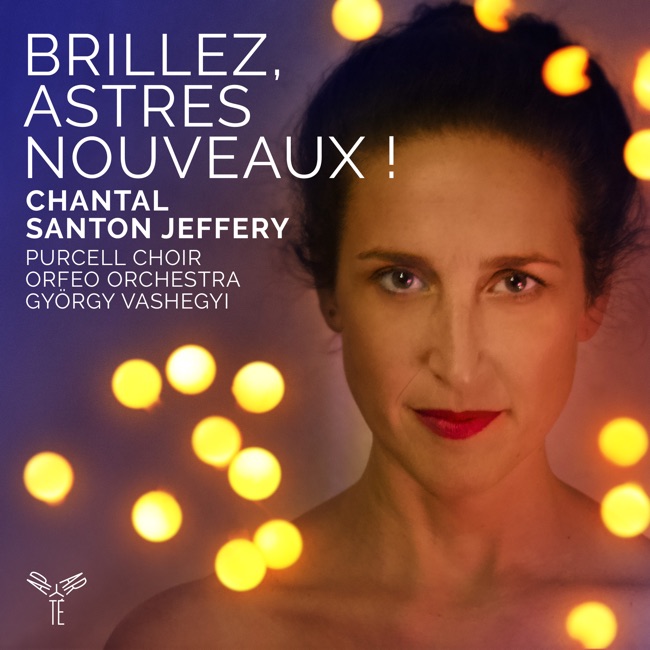 January 31, 2020
 -
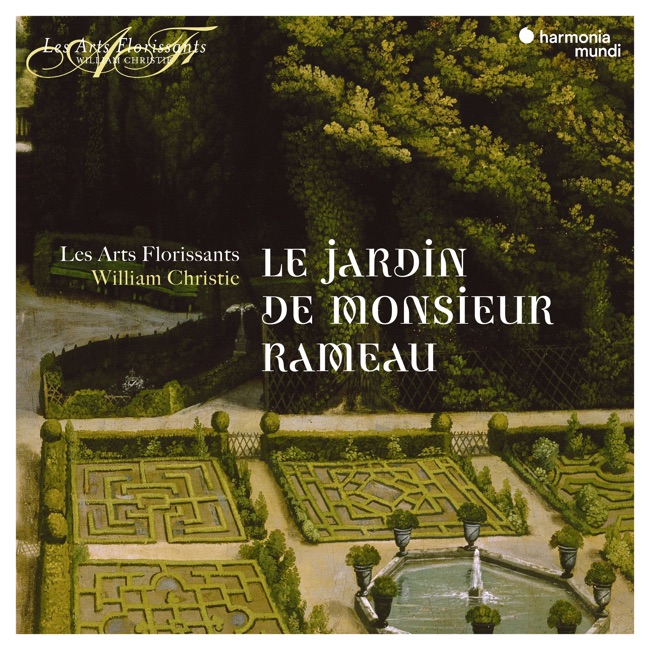 April 1, 2014
 -
 December 3, 2012
 -
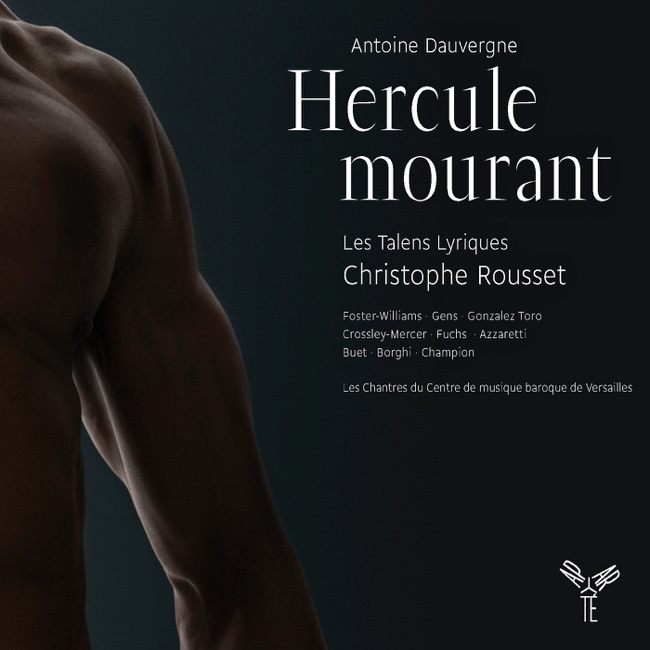 November 5, 2012
Chamber
-
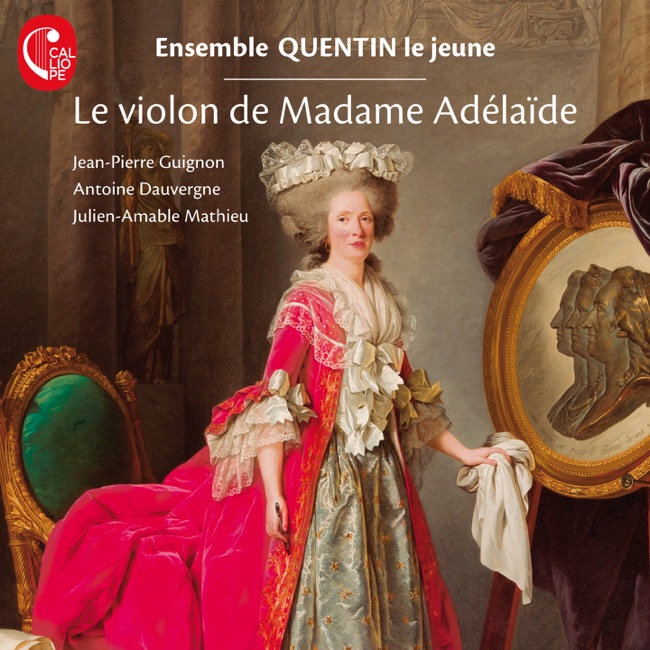 April 20, 2018
 -
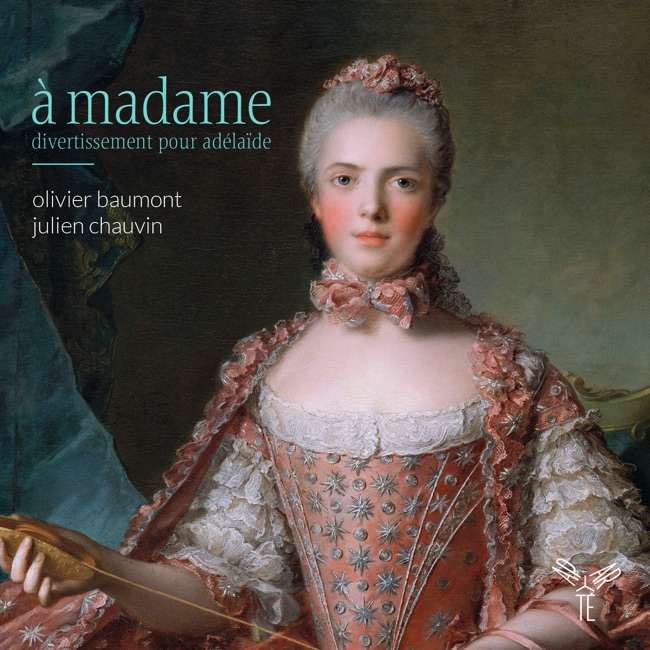 April 21, 2017
Ballet
-
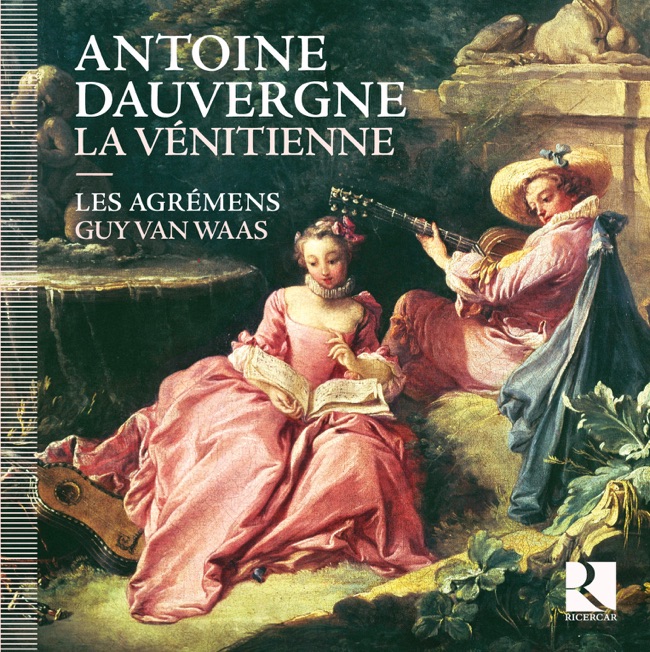 September 25, 2012
Orchestral
-
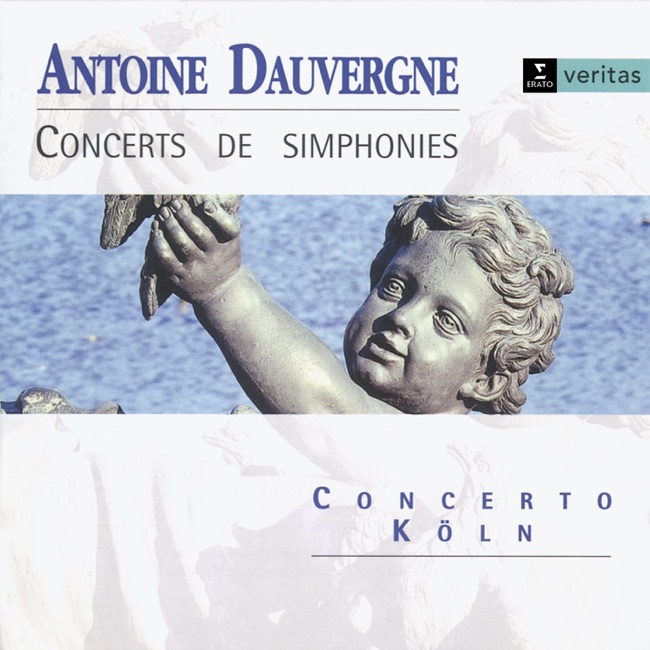 1994
1994
Artist Info
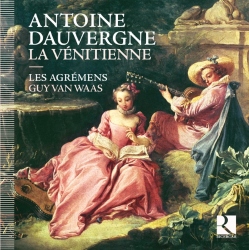
Role:ComposerBirth:1713Death:1797Period:ClassicalGenre:ChamberOperaOrchestralAntoine Dauvergne was a French composer and violinist who lived from 1713 to 1797. He was born in Moulins, France, and showed an early aptitude for music. His father was a musician, and Dauvergne began studying the violin with him at a young age. He also received training in composition and music theory. Dauvergne's talent as a violinist was recognized early on, and he was soon performing in public. He played in the orchestra of the Paris Opera, and also performed in the court of Louis XV. In addition to his work as a performer, Dauvergne began to compose music. His first opera, Les Troqueurs, was performed in 1753 and was a great success. Over the course of his career, Dauvergne composed a number of operas, as well as instrumental music. His works were known for their elegance and sophistication, and he was considered one of the leading composers of his time. Some of his most famous works include the operas La Coquette trompée, Les Amours de Ragonde, and Les Troqueurs. Dauvergne's music was characterized by its use of melody and harmony. He was known for his ability to create beautiful, lyrical melodies that were both memorable and expressive. His music was also notable for its use of harmony, which was often complex and sophisticated. In addition to his work as a composer, Dauvergne was also a respected conductor. He was appointed director of the Paris Opera in 1762, and held the position for several years. During his tenure, he introduced a number of reforms that helped to improve the quality of the opera company's performances. Despite his success as a composer and conductor, Dauvergne's career was not without its challenges. He faced criticism from some quarters for his use of Italian-style music in his operas, which was seen as a departure from traditional French music. He also faced financial difficulties, and was forced to sell some of his compositions in order to make ends meet. Despite these challenges, Dauvergne continued to compose music throughout his life. He died in Paris in 1797, leaving behind a legacy of beautiful and sophisticated music that continues to be appreciated by music lovers today.More....
Recent Artist Music
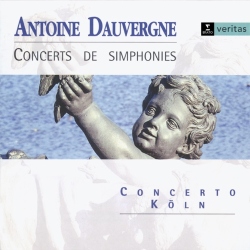
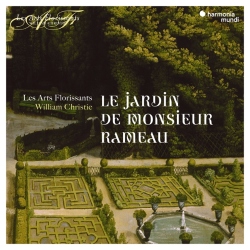
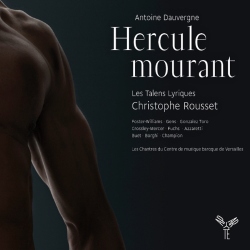
4
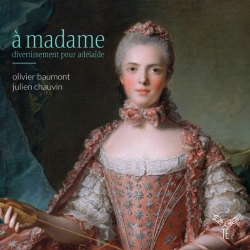
2:25
5
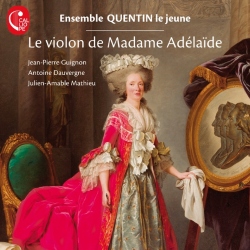
3:33
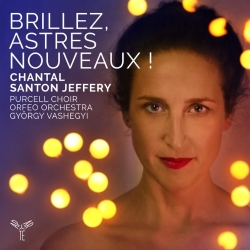
7
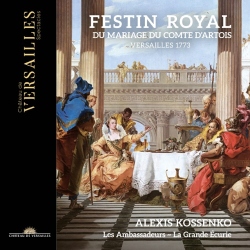
1:31
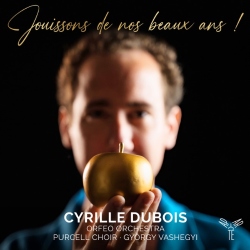

Recommend Playlist



Copyright Ⓒ 2013 Davinci Finger. All rights reseved
Service Terms & Policy