


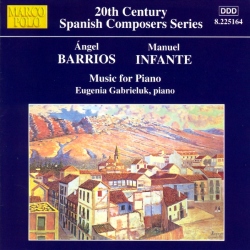
Manuel Infante
Released Album
Keyboard
-
 January 29, 2021
 -
 August 18, 2017
 -
 September 30, 2016
 -
 September 30, 2016
 -
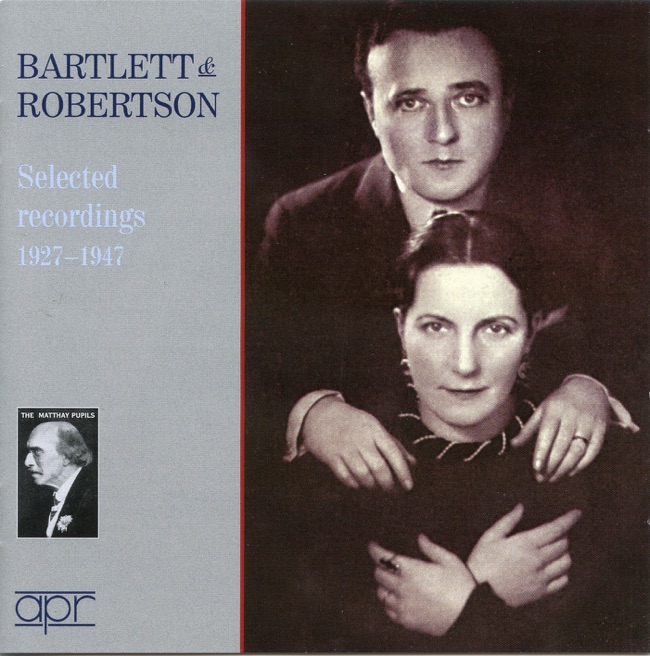 November 25, 2013
 -
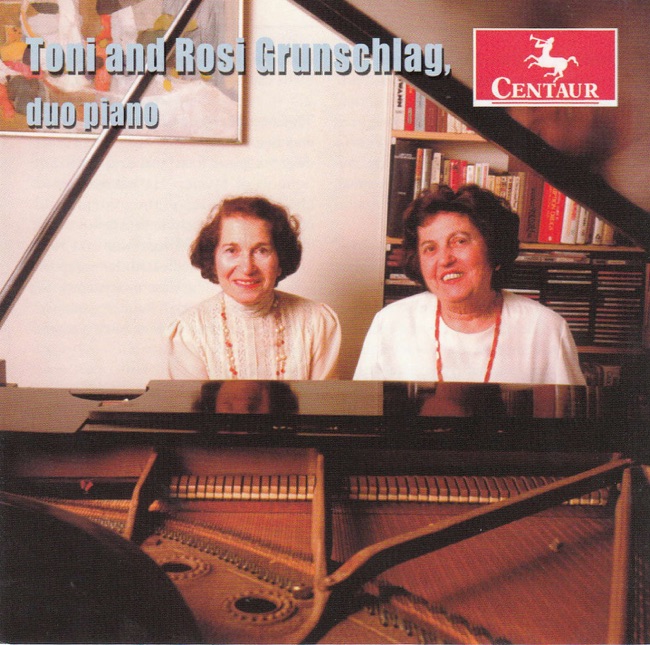 November 1, 2011
Chamber
-
 February 18, 1997
Artist Info
Role:ComposerCountry: SpainBirth:1883Death:1953Period:ModernGenre:KeyboardManuel Infante (1883-1958) was a Spanish composer and pianist who is best known for his contributions to the Spanish nationalistic movement in classical music. Born in Osuna, Seville, Infante showed an early aptitude for music and began studying piano at a young age. He later studied composition with Joaquín Rodrigo and Manuel de Falla, two of the most prominent Spanish composers of the 20th century. Infante's early works were heavily influenced by the French impressionist composers, particularly Claude Debussy and Maurice Ravel. However, as he matured as a composer, he began to incorporate more Spanish folk elements into his music, drawing on the rich musical traditions of his homeland. This fusion of French impressionism and Spanish nationalism became a hallmark of Infante's style. One of Infante's most famous works is his Suite Andaluza, which was composed in 1927. The suite is a collection of four pieces for piano that are inspired by the music and culture of Andalusia, a region in southern Spain. The first movement, "Prelude," is a lively and rhythmic piece that evokes the energy and excitement of a flamenco dance. The second movement, "Danza de la gitana," is a slow and mournful piece that features a haunting melody played by the piano. The third movement, "Canto de los remeros del Volga," is a lively and energetic piece that is based on a Russian folk song. The final movement, "Farruca," is a fast and rhythmic piece that features a virtuosic piano solo. Another notable work by Infante is his Danzas Andaluzas, which was composed in 1921. The suite is a collection of five pieces for piano that are inspired by the music and dance of Andalusia. The first movement, "Zambra," is a slow and sensual piece that features a sultry melody played by the piano. The second movement, "Serenata," is a gentle and romantic piece that features a delicate piano melody. The third movement, "Gitanería," is a lively and rhythmic piece that evokes the energy and excitement of a flamenco dance. The fourth movement, "Granaína," is a slow and mournful piece that features a haunting melody played by the piano. The final movement, "Fandango," is a fast and rhythmic piece that features a virtuosic piano solo. Infante also composed several works for orchestra, including his Suite Andaluza No. 2, which was composed in 1930. The suite is a collection of four pieces that are based on traditional Andalusian folk songs. The first movement, "El Vito," is a lively and rhythmic piece that features a solo trumpet. The second movement, "Las tres hojas," is a slow and mournful piece that features a solo violin. The third movement, "La Tarara," is a fast and rhythmic piece that features a solo clarinet. The final movement, "Los pelegrinitos," is a lively and energetic piece that features the full orchestra. In addition to his work as a composer, Infante was also a respected pianist and music educator. He taught at the Madrid Conservatory and the Granada Conservatory, and his students included the composer Joaquín Rodrigo. Infante was also a member of the Spanish Royal Academy of Fine Arts and a recipient of the Order of Alfonso X, one of Spain's highest honors for cultural achievement. Infante's music has been praised for its unique blend of French impressionism and Spanish nationalism, as well as its evocative use of traditional Andalusian folk elements.More....
Recent Artist Music
1
4:42

11
6:49
15
7:24
Copyright Ⓒ 2013 Davinci Finger. All rights reseved
Service Terms & Policy