


J.J. Johnson
Released Album
Concerto
-
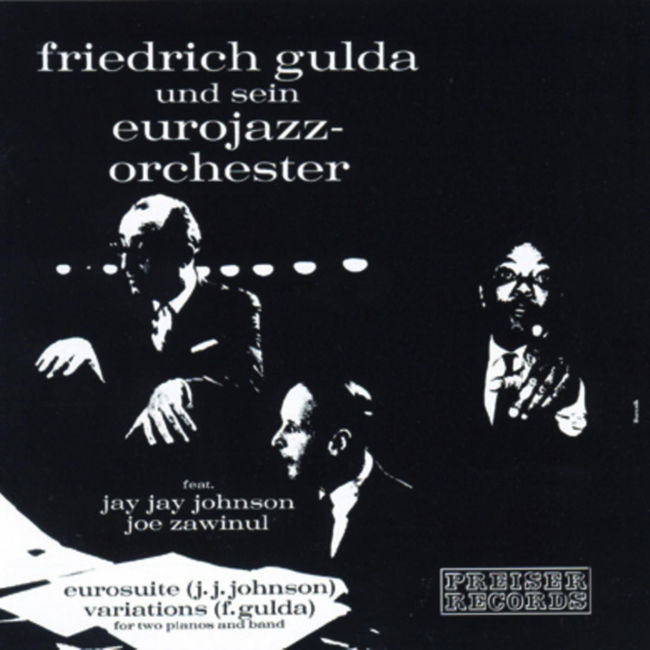 May 3, 2005
Vocal
-
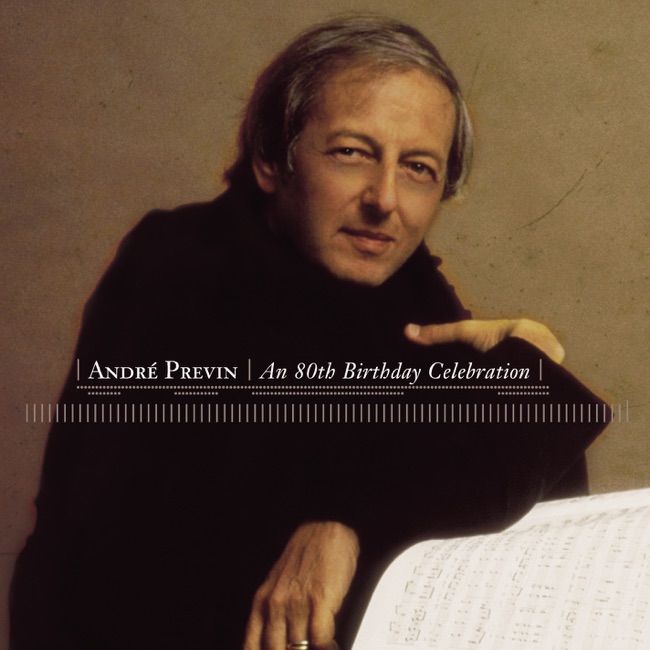 April 14, 2009
Artist Info
Country: United States of AmericaBirth:January 22, 1924 in Indianapolis, INDeath:February 4, 2001 in Indianapolis, INJ.J. Johnson was a renowned jazz trombonist and composer who made significant contributions to the world of classical music. Born on January 22, 1924, in Indianapolis, Indiana, Johnson was the son of a pianist and a saxophonist. He grew up in a musical family and began playing the piano at the age of four. However, he switched to the trombone at the age of 14, and it became his primary instrument. Johnson's early musical influences included Duke Ellington, Count Basie, and Benny Goodman. He was also inspired by the trombone playing of Tommy Dorsey and Jack Teagarden. Johnson's talent was evident from an early age, and he began playing professionally while still in high school. He played with local bands in Indianapolis and also performed with the Indianapolis Symphony Orchestra. In 1941, Johnson moved to New York City to pursue his music career. He quickly became a sought-after session musician and played with some of the biggest names in jazz, including Benny Carter, Dizzy Gillespie, and Charlie Parker. Johnson's playing was characterized by his smooth, lyrical style and his ability to improvise with ease. In 1949, Johnson formed his own band, the J.J. Johnson Quintet. The group included some of the best musicians of the time, including pianist Hank Jones and drummer Max Roach. The quintet's recordings were highly acclaimed, and Johnson's compositions, such as "Lament" and "Blue Trombone," became jazz standards. Throughout the 1950s and 1960s, Johnson continued to perform and record with some of the biggest names in jazz. He also began to explore classical music and composed several works for orchestra, including "Perceptions" and "Diversions." Johnson's classical compositions were characterized by his use of jazz harmonies and rhythms, and they were well-received by both jazz and classical audiences. In 1959, Johnson was awarded the first of his two Grammy Awards for Best Jazz Performance by a Group for his album "J.J. Johnson and Kai Winding: The Great Kai & J.J." The album featured Johnson and fellow trombonist Kai Winding in a series of duets, and it remains a classic of the genre. In the 1970s, Johnson continued to perform and record, but he also began to focus more on teaching and mentoring young musicians. He taught at several universities, including the University of California, Los Angeles, and the Manhattan School of Music. Johnson was known for his generosity and his willingness to share his knowledge and experience with younger musicians. In 1996, Johnson was awarded the National Medal of Arts by President Bill Clinton. The award recognized Johnson's contributions to American music and his role as a mentor to younger musicians. Johnson continued to perform and record until his death on February 4, 2001, at the age of 77. J.J. Johnson's legacy as a musician and composer is significant. He was one of the most influential trombonists in jazz history, and his compositions and arrangements continue to be studied and performed by musicians around the world. Johnson's ability to bridge the worlds of jazz and classical music was groundbreaking, and his influence can be heard in the work of many contemporary musicians. In conclusion, J.J. Johnson was a true musical pioneer who made significant contributions to the world of classical music. His smooth, lyrical style and his ability to improvise with ease made him one of the most influential trombonists in jazz history.More....
Recent Artist Music
Copyright Ⓒ 2013 Davinci Finger. All rights reseved
Service Terms & Policy