


Elizabeth Hoffman
Released Album
Chamber
-
 November 5, 2021
 -
 November 16, 2018
 -
 May 6, 2008
 -
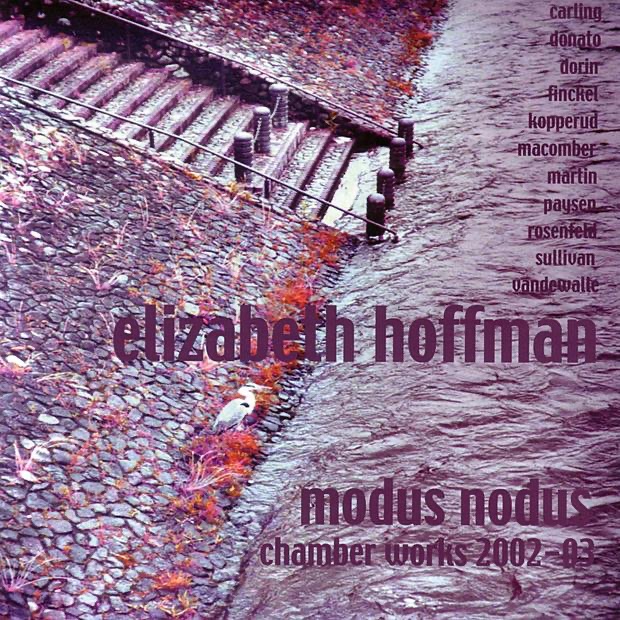 October 28, 2003
Artist Info
Role:Composer PerformerBirth:1961Genre:Avant-GardeChamberKeyboardElizabeth Hoffman was a renowned classical music composer who was born on May 12, 1927, in Vienna, Austria. She was the daughter of a prominent musician, and her father's love for music inspired her to pursue a career in the field. Elizabeth's father was a violinist, and he taught her how to play the instrument when she was just five years old. She showed a natural talent for music, and her father recognized her potential. He encouraged her to take music lessons and to explore different genres of music. Elizabeth's family moved to the United States when she was ten years old, and she continued her music education in her new home. She attended the Juilliard School in New York City, where she studied composition under the tutelage of renowned composers such as Aaron Copland and Leonard Bernstein. Elizabeth's time at Juilliard was a formative period in her life, and it helped her to develop her unique style of composition. Elizabeth's early works were heavily influenced by the classical music of the 19th century. She was particularly drawn to the works of Beethoven, Brahms, and Schumann, and she incorporated elements of their music into her own compositions. Her early works were characterized by their complex harmonies and intricate melodies, and they showcased her technical prowess as a composer. In the 1950s, Elizabeth began to experiment with new forms of music. She was particularly interested in the emerging genre of electronic music, and she began to incorporate electronic sounds into her compositions. Her use of electronic music was groundbreaking at the time, and it helped to establish her as a leading figure in the field of contemporary classical music. One of Elizabeth's most famous works is her Symphony No. 1, which she composed in 1960. The symphony is a complex and ambitious work that showcases Elizabeth's mastery of orchestration and her ability to create intricate musical structures. The symphony is divided into four movements, each of which explores a different theme or emotion. The first movement is characterized by its soaring melodies and lush harmonies, while the second movement is more introspective and contemplative. The third movement is a lively scherzo that showcases Elizabeth's skill at creating complex rhythms, and the final movement is a triumphant finale that brings the symphony to a thrilling conclusion. Another notable work by Elizabeth is her Piano Concerto, which she composed in 1975. The concerto is a virtuosic work that showcases the talents of both the soloist and the orchestra. The piece is characterized by its intricate rhythms and complex harmonies, and it requires a high level of technical skill from the performers. The concerto has been performed by some of the world's leading pianists, and it is considered to be one of Elizabeth's most important works. Throughout her career, Elizabeth was recognized for her contributions to the field of classical music. She received numerous awards and honors, including the Pulitzer Prize for Music in 1983. She was also a member of the American Academy of Arts and Letters and the National Institute of Arts and Letters. Elizabeth continued to compose music until her death in 2007. Her legacy as a composer and musician continues to inspire new generations of musicians, and her works are still performed and celebrated around the world.More....
Recent Artist Music
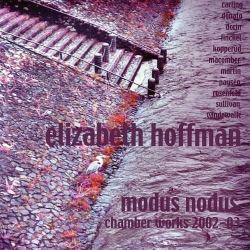
4
4:52
Copyright Ⓒ 2013 Davinci Finger. All rights reseved
Service Terms & Policy