


Eugeniusz Knapik
Released Album
Chamber
-
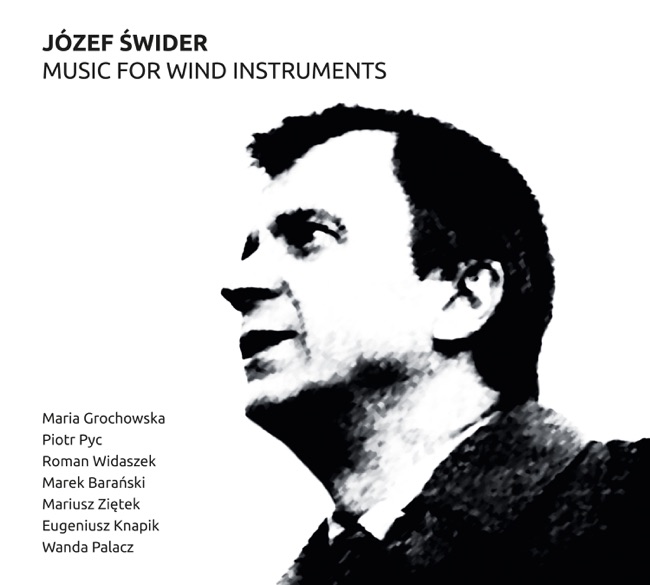 January 20, 2017
 -
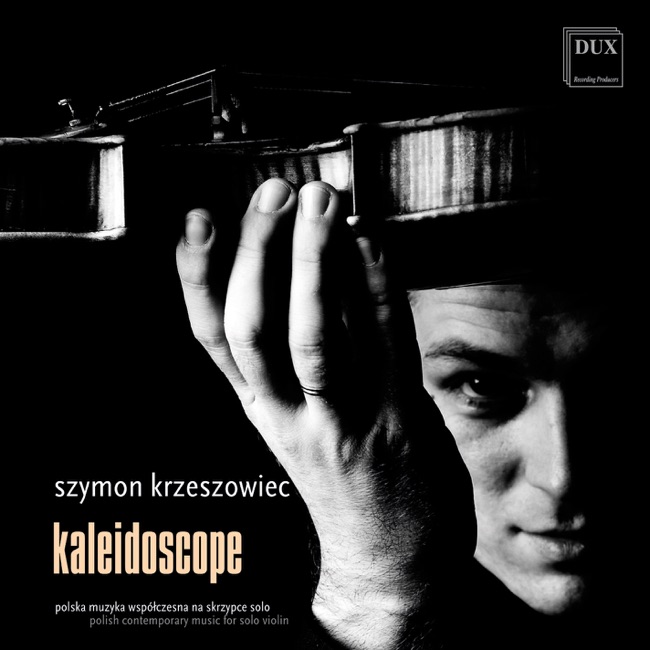 2009
2009 -
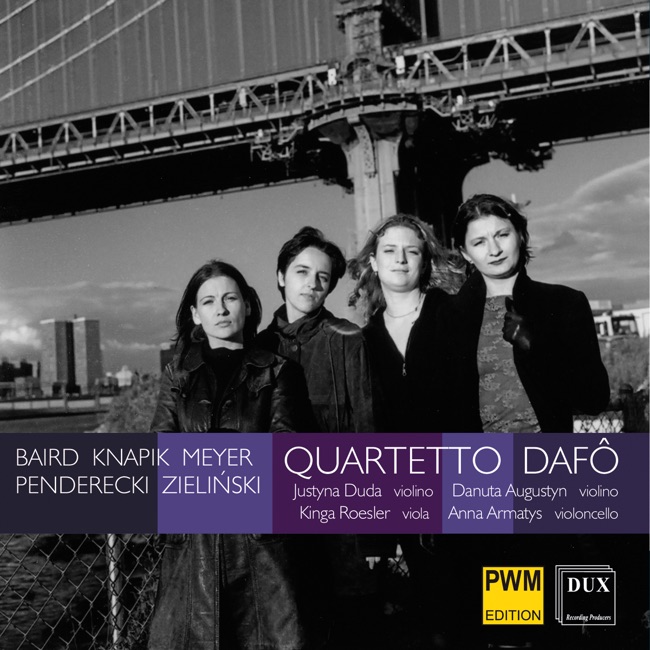 June 18, 2002
Artist Info
Role:ComposerBirth:1951 in Ruda Slaska, PolandPeriod:ContemporaryModernGenre:ChamberEugeniusz Knapik is a renowned Polish composer, pianist, and music educator. He was born on March 21, 1951, in Wrocław, Poland. Knapik's musical journey began at a young age when he started playing the piano. He showed exceptional talent and was soon enrolled in the Wrocław Music School, where he studied under the tutelage of renowned pianist and pedagogue, Maria Wiłkomirska. Knapik's passion for music continued to grow, and he went on to study composition at the State Higher School of Music in Wrocław, where he was mentored by composer Tadeusz Baird. Knapik's early works were heavily influenced by the avant-garde movement, and he experimented with various techniques and styles, including serialism and aleatoric music. In 1976, Knapik graduated with honors from the State Higher School of Music and began his career as a composer. He quickly gained recognition for his innovative and experimental approach to music, and his works were performed at various festivals and concerts across Europe. One of Knapik's most notable works from this period is his "Concerto for Orchestra," which was premiered in 1978 by the National Philharmonic Orchestra in Warsaw. The piece is characterized by its complex rhythms, dissonant harmonies, and unconventional orchestration, and it showcases Knapik's mastery of the avant-garde style. In the 1980s, Knapik's style began to evolve, and he started incorporating elements of traditional Polish music into his compositions. He also began to explore the possibilities of electronic music, and he collaborated with various electronic musicians and sound engineers to create innovative and experimental works. One of Knapik's most significant works from this period is his "Polish Requiem," which was commissioned by the Polish Radio and Television Symphony Orchestra in 1984. The piece is a tribute to the victims of the martial law imposed by the Polish government in 1981, and it features a choir, soloists, and orchestra. The work is characterized by its haunting melodies, powerful harmonies, and emotional intensity, and it is considered one of Knapik's most significant contributions to Polish music. In the 1990s, Knapik's style continued to evolve, and he began to incorporate elements of jazz and world music into his compositions. He also started to focus more on chamber music, and he composed several works for small ensembles, including his "String Quartet No. 2," which was premiered in 1995. Knapik's later works are characterized by their lyrical melodies, rich harmonies, and intricate textures. He has continued to experiment with various styles and techniques, and his works have been performed by some of the world's leading orchestras and ensembles. In addition to his work as a composer, Knapik is also a respected music educator. He has taught at several universities and conservatories in Poland and abroad, and he has mentored many young composers who have gone on to achieve success in the music industry. Knapik's contributions to Polish music have been recognized with numerous awards and honors, including the Knight's Cross of the Order of Polonia Restituta, one of Poland's highest civilian honors. He is also a member of the Polish Academy of Sciences and the Polish Composers' Union. In conclusion, Eugeniusz Knapik is a highly respected composer, pianist, and music educator who has made significant contributions to the world of classical music.More....
Recent Artist Music

Copyright Ⓒ 2013 Davinci Finger. All rights reseved
Service Terms & Policy