


Montague Phillips
Released Album
Orchestral
-
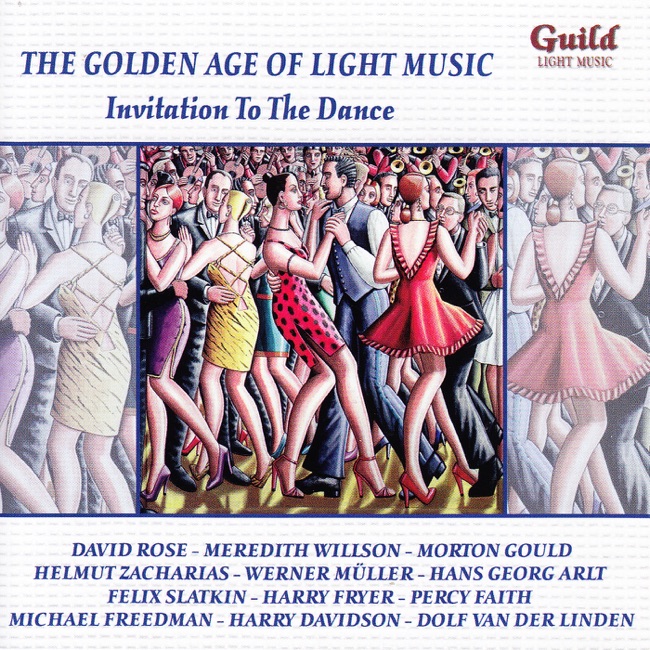 June 10, 2014
 -
 March 27, 2007
 -
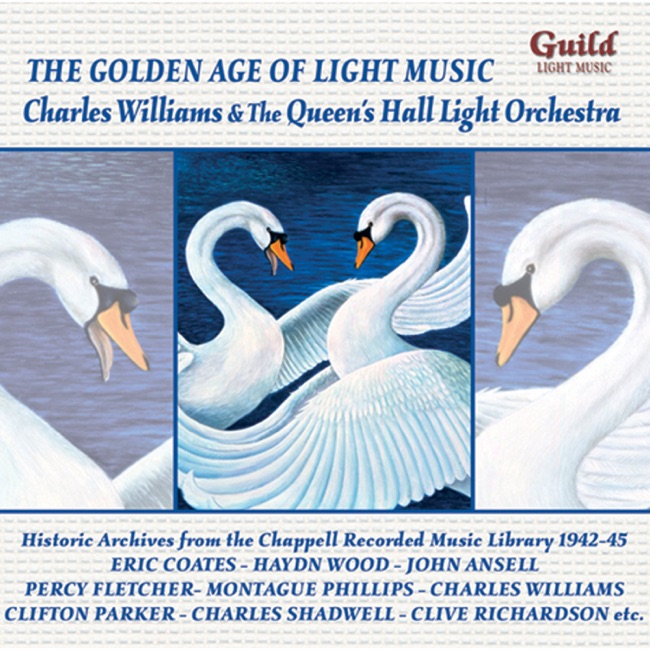
-
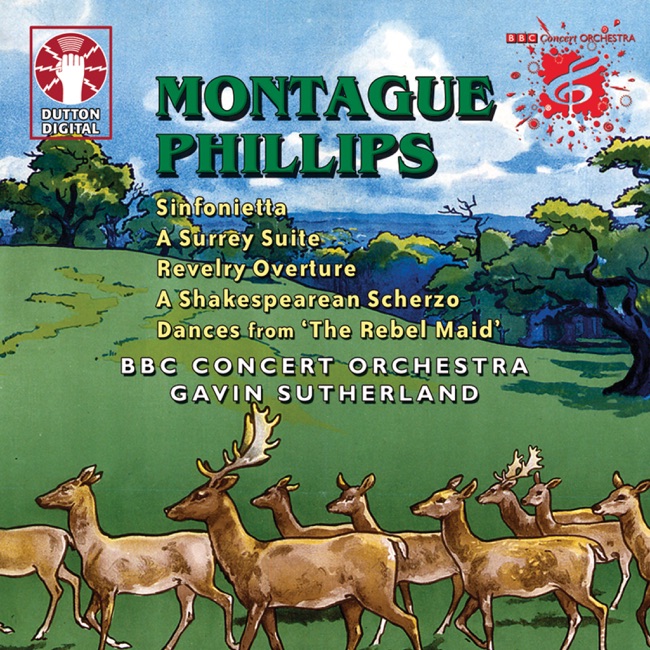
Vocal
-
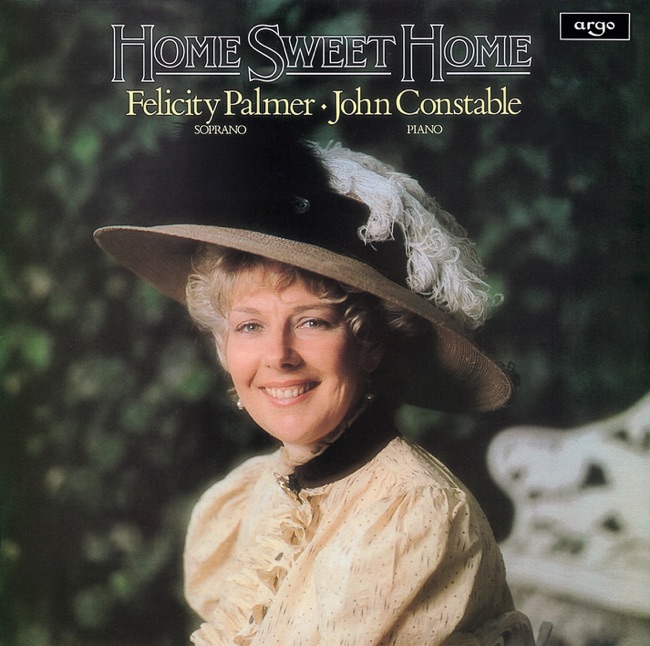 November 20, 2007
Artist Info
Role:Composer ConductorBirth:November 13, 1885Death:1969Period:ModernGenre:OperaMontague Phillips was a British composer and conductor who was born on May 7, 1885, in London, England. He was the son of a music publisher and grew up in a musical family. His father, C.A.W. Phillips, was the founder of the publishing firm C.A.W. Phillips & Co., which specialized in music for the theater. Montague Phillips showed an early interest in music and began studying the violin at the age of six. Phillips attended the Royal Academy of Music in London, where he studied composition with Frederick Corder and violin with Achille Rivarde. He was a talented student and won several prizes for his compositions. In 1906, he was awarded the Charles Lucas Medal for his String Quartet in D minor. He also won the Royal Academy of Music's highest honor, the Lesley Alexander Prize, for his Symphony in E minor. After completing his studies at the Royal Academy of Music, Phillips began his career as a composer and conductor. He conducted the London Symphony Orchestra and the Royal Philharmonic Orchestra, among others. He also worked as a music director for several London theaters, including the Adelphi Theatre and the Palace Theatre. Phillips was a prolific composer and wrote music in a variety of genres, including orchestral works, chamber music, and music for the theater. His music was influenced by the Romantic composers of the 19th century, particularly Brahms and Tchaikovsky. He was also influenced by the English folk music tradition and incorporated folk melodies into his compositions. One of Phillips' most famous works is his Suite for Orchestra, which was first performed in 1913. The suite consists of four movements, each of which is based on a different English folk song. The first movement, "The Baffled Knight," is based on a ballad about a knight who is tricked by a lady. The second movement, "The Blacksmith," is based on a folk song about a blacksmith who falls in love with a lady. The third movement, "The Cuckoo," is based on a folk song about the cuckoo bird. The final movement, "The Ship," is based on a sea shanty. Another notable work by Phillips is his Symphony in C minor, which was first performed in 1928. The symphony is in four movements and is notable for its use of English folk melodies. The first movement, "Allegro moderato," is based on a folk song called "The Seeds of Love." The second movement, "Andante con moto," is based on a folk song called "The Bold Grenadier." The third movement, "Scherzo," is based on a folk song called "The Keel Row." The final movement, "Allegro con fuoco," is based on a folk song called "The British Grenadiers." Phillips also wrote music for the theater, including several operettas and musicals. One of his most successful works was the musical "The Rebel Maid," which was first performed in 1921. The musical was set in 17th century England and was based on the life of the English Civil War heroine, Lady Fairfax. The music was well-received and the show ran for over 200 performances. In addition to his work as a composer and conductor, Phillips was also a music educator. He taught at the Royal Academy of Music and the Guildhall School of Music and Drama. He was known for his dedication to his students and was highly respected as a teacher. Phillips continued to compose and conduct throughout his life. He died on August 22, 1969, in London, England. His music has been largely forgotten in the years since his death, but his contributions to English classical music are significant.More....
Recent Artist Music

2
5:53
3
3:23
4
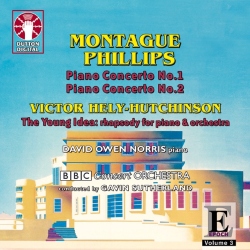
Piano Concerto No. 1 in F sharp minor
1. Allegro maestoso - Allegro moderato - Cadenza - Andante maestoso - Molto vivace
16:48
Copyright Ⓒ 2013 Davinci Finger. All rights reseved
Service Terms & Policy