


Mikhail Ippolitov-Ivanov
Released Album
Orchestral
-
-

-
 February 18, 2022
 -
 June 5, 2020
 -
 April 5, 2019
 -
 November 16, 2018
Symphony
-
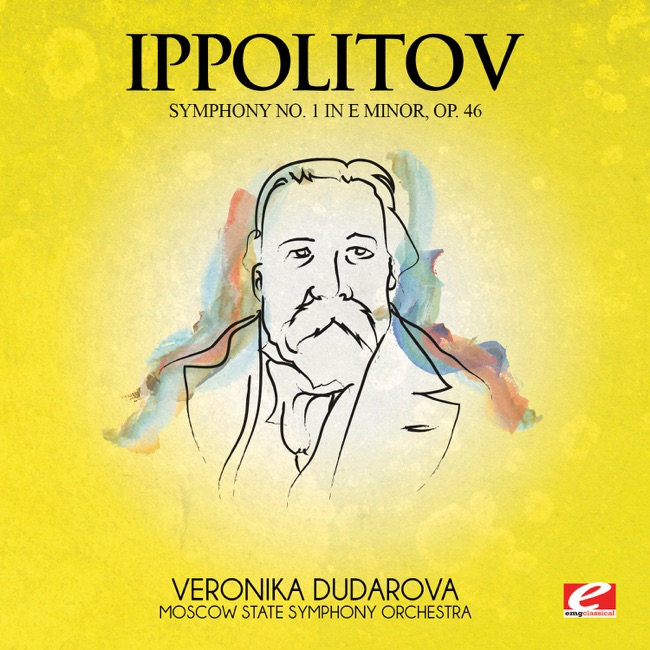 September 24, 2013
 -

-
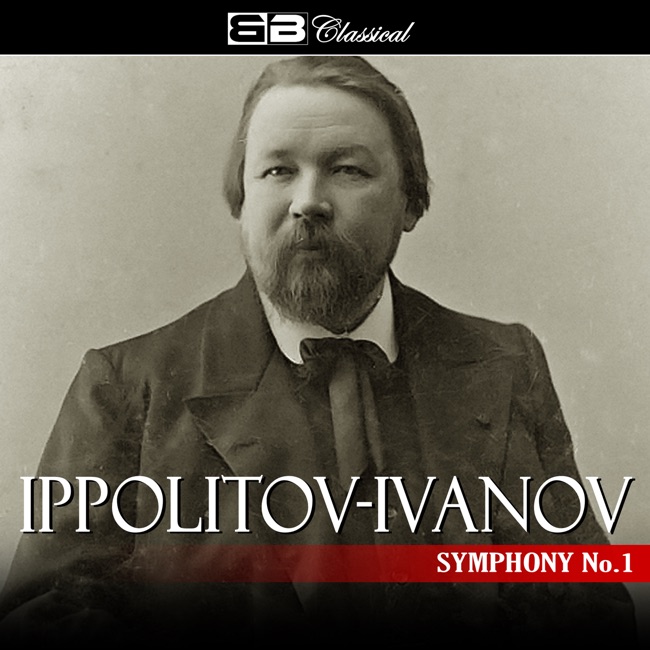 March 24, 2012
Choral
-
 February 11, 2014
 -
 February 10, 2014
 -
 August 29, 2000
Artist Info
Role:Composer ConductorCountry: RussiaBirth:November 19, 1859 in Gatchina, RussiaDeath:January 28, 1935 in Moscow, RussiaPeriod:RomanticGenre:OrchestralMikhail Ippolitov-Ivanov was a prominent Russian composer, conductor, and teacher who made significant contributions to the world of classical music. He was born on November 19, 1859, in Gatchina, a town near St. Petersburg, Russia. His father, Ippolit Ivanovich Ivanov, was a military officer, and his mother, Yelizaveta Petrovna, was a pianist and singer. Mikhail showed an early interest in music and began taking piano lessons at the age of five. In 1875, Mikhail entered the St. Petersburg Conservatory, where he studied composition with Nikolai Rimsky-Korsakov, one of the most influential Russian composers of the time. Rimsky-Korsakov recognized Mikhail's talent and took him under his wing, becoming his mentor and friend. Mikhail also studied conducting with Nikolai Zaremba and piano with Anatoly Lyadov. After graduating from the conservatory in 1882, Mikhail began his career as a conductor, working at various theaters and opera houses in Russia. He also continued to compose, and his early works were influenced by the Russian nationalist movement, which sought to create a distinctively Russian style of classical music. Mikhail's first major composition was his Caucasian Sketches, a suite of orchestral pieces inspired by the music and culture of the Caucasus region. In 1893, Mikhail was appointed conductor of the Imperial Chapel Choir in St. Petersburg, a prestigious position that he held for over a decade. During this time, he also served as conductor of the Mariinsky Theatre, where he conducted the premieres of several operas by Rimsky-Korsakov, including The Snow Maiden and The Legend of the Invisible City of Kitezh. Mikhail's most famous work is his orchestral suite, The Procession of the Sardar, which he composed in 1895 as part of his Caucasian Sketches. The piece is a lively and colorful depiction of a military procession in the Caucasus, featuring a prominent trumpet solo and a driving rhythm that evokes the sound of marching soldiers. The Procession of the Sardar became an instant hit and remains one of the most popular pieces of classical music from Russia. In 1905, Mikhail was appointed director of the Moscow Conservatory, where he remained until 1924. During his tenure, he modernized the curriculum and expanded the faculty, attracting some of the most talented musicians and composers in Russia. Mikhail also continued to compose and conduct, and his works from this period reflect a more cosmopolitan style, influenced by the music of Western Europe. One of Mikhail's most significant compositions from this period is his Symphony No. 1 in E minor, which he composed in 1908. The symphony is a grand and sweeping work, featuring lush orchestration and a dramatic sense of melody and harmony. The piece was well-received by audiences and critics alike and helped establish Mikhail as one of the leading composers of his time. In 1917, the Russian Revolution brought significant changes to the country's cultural landscape. Mikhail, who had always been a staunch supporter of the Tsarist regime, found himself at odds with the new Bolshevik government. He was briefly arrested and imprisoned, but was released after several months and allowed to continue his work as a composer and conductor. Mikhail's later works reflect his growing disillusionment with the Soviet regime and his nostalgia for the pre-revolutionary era. His Symphony No.More....
Recent Artist Music

4
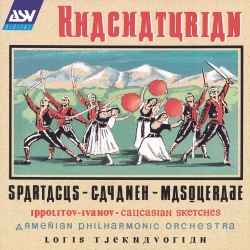
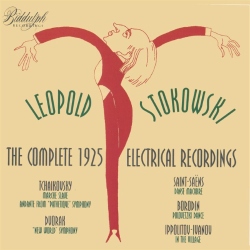
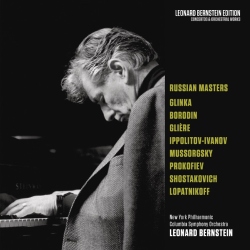
Caucasian Sketches for orchestra, Op. 10, No. 4, Procession of the Sardars
Procession of the Sardar
4:4
7
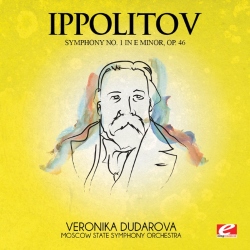
13:37
9
4:7
10
13:37
12

Paganini: Violin Concerto No. 1 / Rimsky-Korsakov: Flight of the Bumble-Bee / Kabalevsky: Galop from
3:58
13
Caucasian Sketches, Op.10
I. In a Mountain Pass. Allegro Moderato - Moderato Assai - Tempo I
9:55
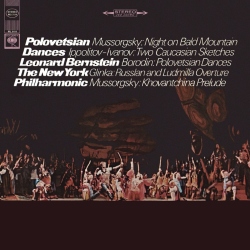

Works Highlight

Related Artists
Copyright Ⓒ 2013 Davinci Finger. All rights reseved
Service Terms & Policy