


Shin-Ichiro Ikebe
Released Album
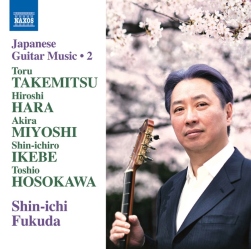
Chamber
-
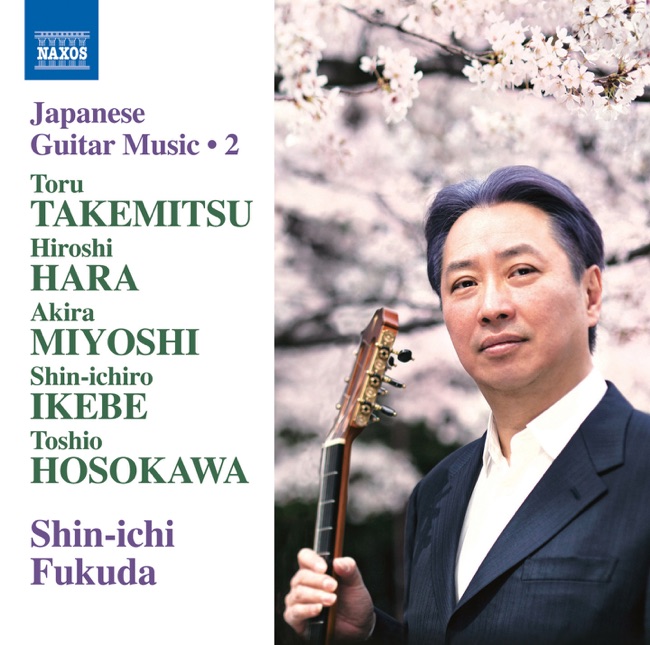 January 8, 2016
 -
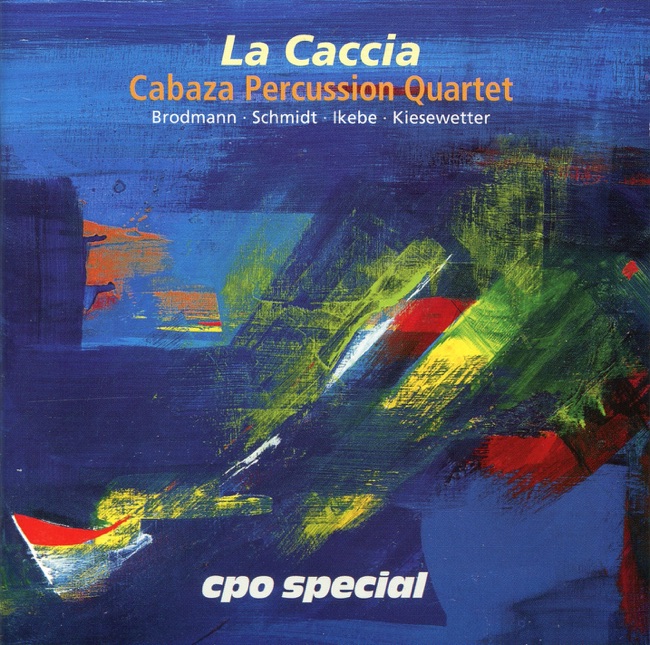 September 29, 1998
 -
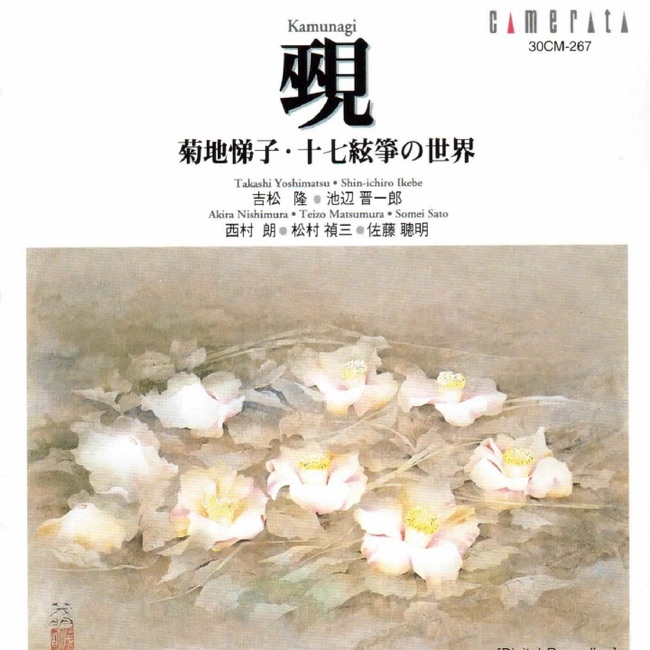 June 18, 1996
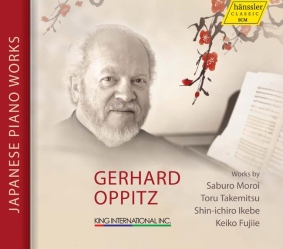
Keyboard
-
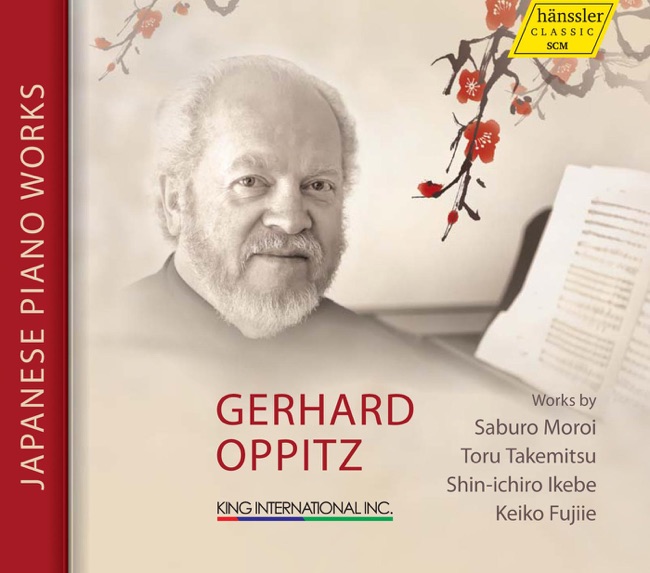 August 30, 2011
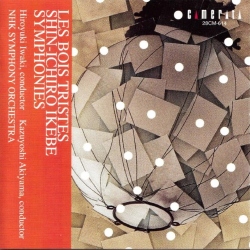
Symphony
-
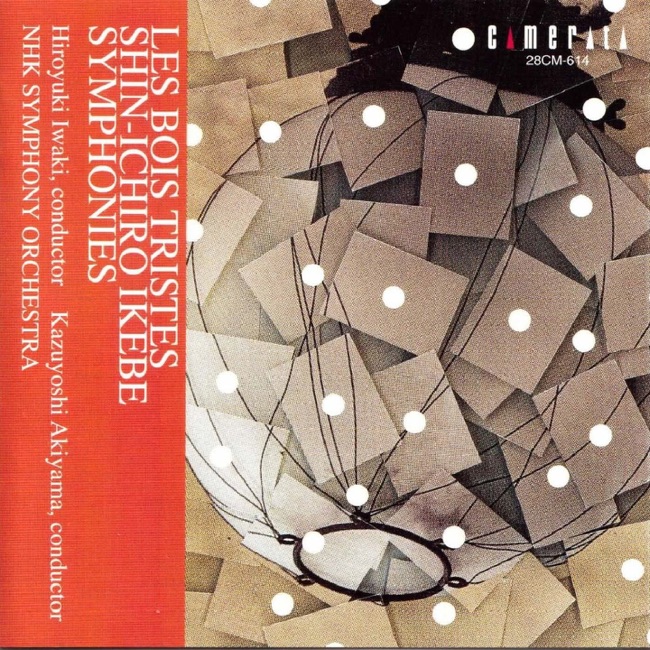 June 12, 2012
Artist Info
Role:Composer ConductorCountry: JapanBirth:September 15, 1943 in Ibaraki, JapanPeriod:ContemporaryGenre:ChamberShin-Ichiro Ikebe is a renowned Japanese composer of classical music. He was born on August 20, 1943, in Tokyo, Japan. Ikebe grew up in a family that was passionate about music, and he was exposed to various genres of music from a young age. His father was a music teacher, and his mother was a pianist. Ikebe's interest in music was sparked by his father's collection of classical music records, which he listened to regularly. Ikebe began his formal music education at the Tokyo National University of Fine Arts and Music, where he studied composition under Tomojiro Ikenouchi. He graduated in 1967 and went on to pursue further studies in composition at the Accademia Nazionale di Santa Cecilia in Rome, Italy. During his time in Italy, Ikebe was exposed to the works of Italian composers such as Luciano Berio and Luigi Nono, which had a significant influence on his own compositions. Ikebe's early works were heavily influenced by the avant-garde movement, which was popular in the 1960s. His compositions during this period were characterized by their experimental nature and their use of unconventional techniques. One of his most notable works from this period is "Music for String Quartet," which was composed in 1968. The piece features extended techniques such as glissandi, harmonics, and pizzicato, and it was well-received by critics. In the 1970s, Ikebe's compositions began to shift towards a more traditional style. He began to incorporate elements of Japanese music into his works, which gave them a unique flavor. One of his most famous works from this period is "Symphony No. 1," which was composed in 1974. The piece features traditional Japanese instruments such as the shakuhachi and koto, and it was praised for its innovative use of these instruments. Throughout the 1980s and 1990s, Ikebe continued to compose works that blended elements of Western classical music with traditional Japanese music. One of his most famous works from this period is "Symphony No. 3," which was composed in 1990. The piece features a large orchestra and incorporates elements of Japanese folk music, such as the use of pentatonic scales and traditional Japanese instruments. In addition to his work as a composer, Ikebe has also been active as a conductor. He has conducted numerous orchestras in Japan and has also conducted performances of his own works in Europe and the United States. Ikebe has also been involved in music education, serving as a professor at the Tokyo National University of Fine Arts and Music from 1995 to 2008. Ikebe's contributions to the world of classical music have been widely recognized. He has received numerous awards and honors throughout his career, including the Japan Academy Prize for Best Music in 1990 and the Order of the Rising Sun, Gold Rays with Rosette in 2013. His works have been performed by orchestras around the world, and he is considered one of the most important composers of contemporary classical music in Japan. In conclusion, Shin-Ichiro Ikebe is a highly respected composer of classical music who has made significant contributions to the world of music. His works blend elements of Western classical music with traditional Japanese music, creating a unique and innovative sound. Ikebe's compositions have been performed by orchestras around the world, and his influence on the world of classical music in Japan cannot be overstated.More....
Recent Artist Music

Copyright Ⓒ 2013 Davinci Finger. All rights reseved
Service Terms & Policy