


Tadao Sawaï
Released Album
Chamber
-
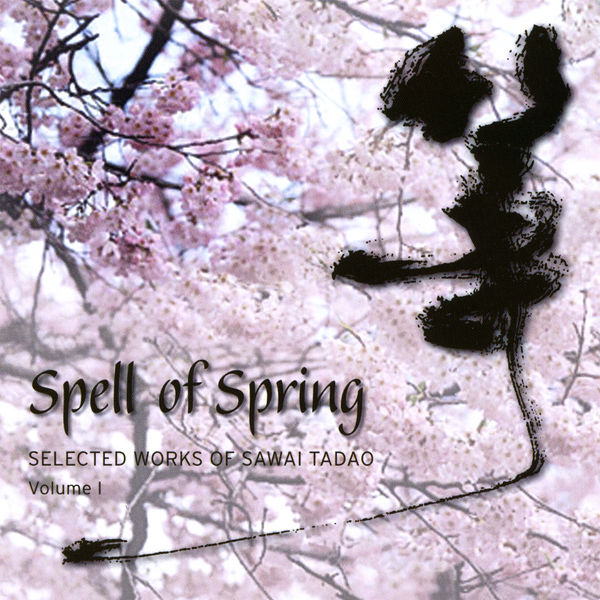 February 8, 2008
 -
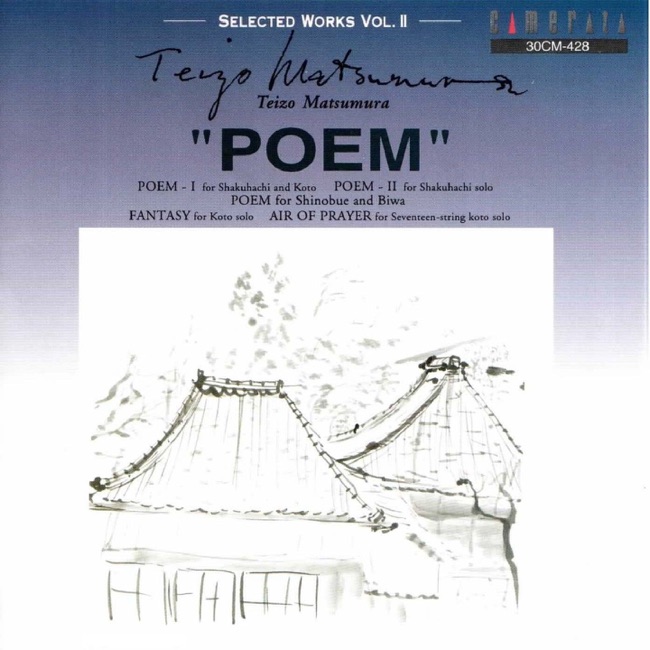 February 16, 2004
Artist Info
Role:Composer PerformerCountry: JapanBirth:1937 in Aichi Prefecture, JapanDeath:April 1, 1997Genre:ChamberVocalTadao Sawaï was a Japanese composer and conductor who made significant contributions to the world of classical music. Born on December 7, 1917, in Tokyo, Japan, Sawaï grew up in a family of musicians. His father was a violinist, and his mother was a pianist. From a young age, Sawaï showed a keen interest in music and began studying the piano and violin. Sawaï's musical education began at the Tokyo Music School, where he studied composition under the tutelage of Saburo Moroi. He later went on to study conducting at the Toho Gakuen School of Music. During his time at Toho Gakuen, Sawaï was mentored by Hideo Saito, a renowned conductor who had a significant influence on his musical style. In 1941, Sawaï graduated from Toho Gakuen and began his career as a conductor. He worked with several orchestras in Japan, including the NHK Symphony Orchestra and the Tokyo Philharmonic Orchestra. Sawaï's conducting style was known for its precision and attention to detail, and he quickly gained a reputation as one of Japan's most talented conductors. In addition to his work as a conductor, Sawaï was also a prolific composer. He wrote music for a variety of genres, including orchestral works, chamber music, and vocal music. Sawaï's compositions were heavily influenced by his Japanese heritage, and he often incorporated traditional Japanese instruments and melodies into his works. One of Sawaï's most famous works is his Symphony No. 1, which he composed in 1951. The symphony is a powerful and emotional work that reflects Sawaï's experiences living through World War II. The piece is divided into three movements, each of which represents a different aspect of the war. The first movement is a somber reflection on the devastation caused by the war, while the second movement is a more hopeful and optimistic reflection on the future. The final movement is a triumphant celebration of the end of the war and the hope for a better future. Another notable work by Sawaï is his Concerto for Koto and Orchestra, which he composed in 1962. The concerto is a beautiful and haunting work that showcases the unique sound of the koto, a traditional Japanese stringed instrument. The piece is divided into three movements, each of which explores a different aspect of the koto's sound and capabilities. Throughout his career, Sawaï received numerous awards and honors for his contributions to the world of classical music. In 1963, he was awarded the Japan Art Academy Prize for his Symphony No. 1. He was also awarded the Order of the Sacred Treasure, a prestigious honor given to individuals who have made significant contributions to Japanese culture. Sawaï continued to compose and conduct music until his death on December 29, 1997. His legacy lives on through his music, which continues to be performed and celebrated by musicians and audiences around the world. Sawaï's unique blend of traditional Japanese music and Western classical music has had a significant impact on the world of classical music, and his contributions will continue to be celebrated for generations to come.More....
Recent Artist Music

Copyright Ⓒ 2013 Davinci Finger. All rights reseved
Service Terms & Policy