


Thomás de Santa María
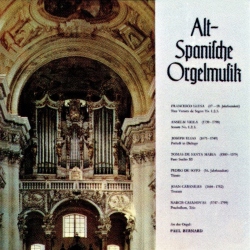
Released Album
Keyboard
-
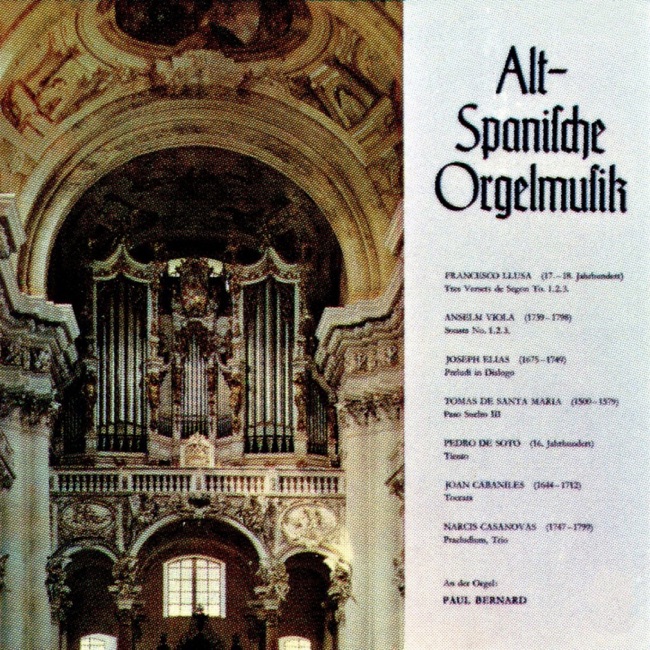 July 29, 2011
Choral
-
 January 12, 2007
Artist Info
Role:ComposerCountry: SpainBirth:in Madrid, SpainDeath:1570 in RibadaviaGenre:KeyboardThomás de Santa María was a Spanish composer and music theorist who lived during the Renaissance period. He was born in Burgos, Spain in 1520 and was raised in a family of musicians. His father, Juan de Santa María, was a singer and composer, and his mother, Catalina de la Torre, was a harpist. Thomás grew up surrounded by music and began his musical education at a young age. Thomás de Santa María's early musical training was under the tutelage of his father, who taught him to sing and play the harp. He also received instruction in music theory and composition from his father, who was a respected musician in Burgos. Thomás showed great promise as a musician and began to compose his own music at a young age. In his early twenties, Thomás de Santa María moved to Salamanca to study at the University of Salamanca. He continued his musical education there, studying music theory and composition with some of the leading musicians of the time. He also studied theology and philosophy, which would later influence his musical compositions. After completing his studies, Thomás de Santa María returned to Burgos and began working as a musician and composer. He quickly gained a reputation as a talented composer and was soon commissioned to write music for the church and for private patrons. His compositions were highly regarded for their beauty and complexity, and he became known as one of the leading composers of his time. Thomás de Santa María's most famous work is his treatise on music theory, "Arte de tañer fantasia" (The Art of Playing Fantasy). This treatise was published in 1565 and is considered one of the most important works on music theory from the Renaissance period. In it, Thomás de Santa María discusses the principles of music theory and composition, including harmony, counterpoint, and rhythm. He also provides examples of his own compositions to illustrate his points. In addition to his treatise, Thomás de Santa María composed a number of works for the church, including masses, motets, and hymns. His compositions were known for their intricate harmonies and complex rhythms, and they were often performed in the great cathedrals of Spain. Some of his most famous works include the "Missa de Beata Virgine" and the "Missa de Nuestra Señora." Thomás de Santa María was also known for his secular music, including songs and instrumental pieces. His songs were often based on popular Spanish folk tunes, and his instrumental pieces were influenced by the music of the Italian Renaissance. Some of his most famous secular works include the "Fantasia sobre la canción 'La Spagna'" and the "Fantasia sobre la canción 'La Guerra'." Thomás de Santa María's music was highly regarded during his lifetime, and he was considered one of the leading composers of the Renaissance period. His music was known for its beauty, complexity, and innovation, and it had a profound influence on the development of music in Spain and throughout Europe. Thomás de Santa María died in Burgos in 1570, leaving behind a legacy of beautiful and innovative music. His treatise on music theory, "Arte de tañer fantasia," remains an important work in the field of music theory, and his compositions continue to be performed and studied by musicians and scholars around the world. Thomás de Santa María's contributions to the world of music are a testament to his talent and his dedication to the art of music.More....
Copyright Ⓒ 2013 Davinci Finger. All rights reseved
Service Terms & Policy