


Fritz Rasp
Released Album
Opera
-
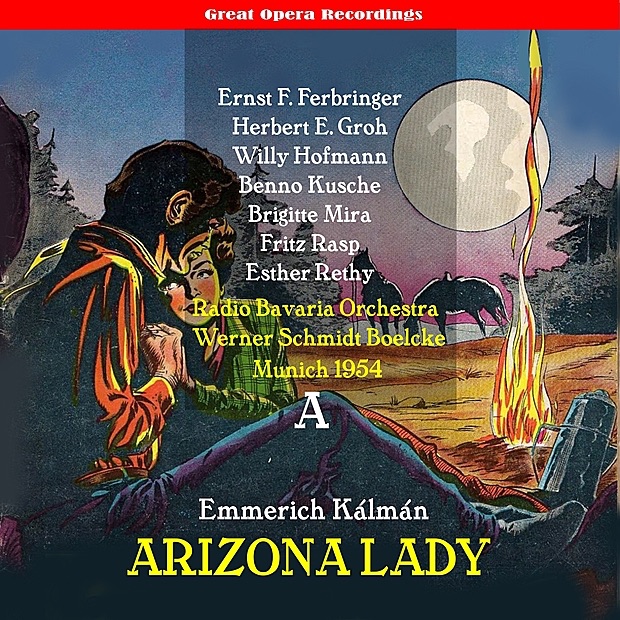 November 3, 2010
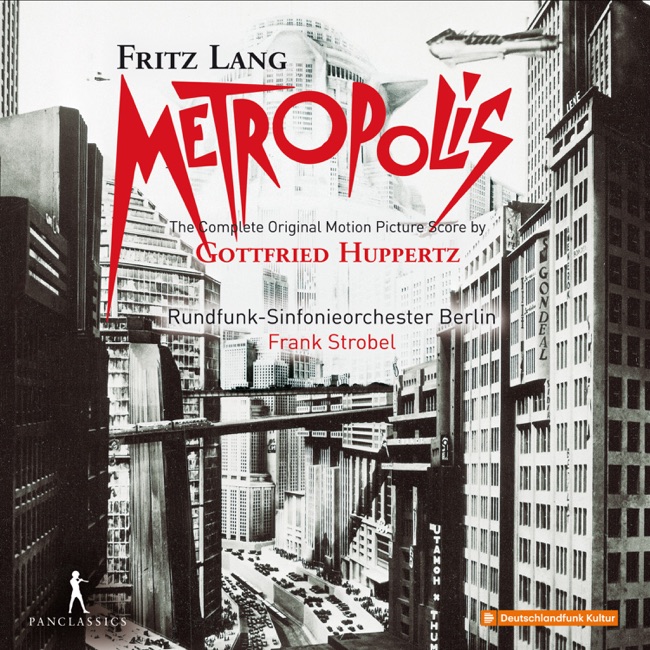
Artist Info
Role:PerformerFritz Rasp was a German classical music artist who was born on May 13, 1910, in Berlin, Germany. He was the son of a music teacher and grew up in a family that was deeply involved in music. From a young age, Rasp showed a natural talent for music and began playing the piano at the age of four. He later went on to study at the Berlin Conservatory, where he honed his skills as a pianist and composer. Rasp's career as a classical music artist began in the 1930s, when he started performing in concerts and recitals throughout Germany. He quickly gained a reputation as a talented and versatile musician, and his performances were praised for their technical precision and emotional depth. In 1936, Rasp won the prestigious International Chopin Piano Competition in Warsaw, Poland, which cemented his status as one of the most promising young pianists of his generation. Over the next few years, Rasp continued to perform in concerts and recitals throughout Europe, earning critical acclaim for his performances of works by composers such as Beethoven, Mozart, and Chopin. He also began to compose his own music, which was heavily influenced by the Romantic tradition and featured lush, sweeping melodies and intricate harmonies. In 1939, Rasp was invited to perform at the Salzburg Festival, one of the most prestigious classical music events in the world. His performance of Beethoven's Piano Concerto No. 5 in E-flat major, Op. 73, was widely praised by critics and audiences alike, and he was hailed as one of the festival's standout performers. However, Rasp's career was soon interrupted by the outbreak of World War II. He was drafted into the German army and sent to fight on the Eastern Front, where he was wounded in battle and captured by Soviet forces. He spent several years as a prisoner of war, during which time he continued to compose music and perform for his fellow prisoners. After the war ended, Rasp returned to Germany and resumed his career as a classical music artist. He continued to perform in concerts and recitals throughout Europe, and his music was widely praised for its emotional depth and technical virtuosity. In 1951, he was awarded the Order of Merit of the Federal Republic of Germany, one of the country's highest honors, in recognition of his contributions to the arts. Throughout the 1950s and 1960s, Rasp continued to perform and compose music, but he also began to focus more on teaching and mentoring young musicians. He taught at several music schools and conservatories throughout Germany, and many of his students went on to become successful classical music artists in their own right. Rasp's career as a classical music artist came to an end in the early 1970s, when he suffered a stroke that left him partially paralyzed. He continued to compose music and teach, but he was no longer able to perform in public. He passed away on December 22, 1976, at the age of 66. Fritz Rasp was a gifted and versatile classical music artist who made significant contributions to the world of music during his lifetime. His performances and compositions were widely praised for their emotional depth and technical virtuosity, and his legacy continues to inspire and influence musicians around the world today.More....
Copyright Ⓒ 2013 Davinci Finger. All rights reseved
Service Terms & Policy