


Padre Giovanni Battista Martini
Released Album
Keyboard
-
 May 27, 2024
 -
 March 13, 2021
 -
 December 1, 2020
 -
 January 3, 2020
 -
-
 April 7, 2017
Miscellaneous
-
 April 20, 1999
Chamber
-
 December 20, 2016
 -
 October 1, 2012
 -
 October 1, 2012
 -
Concerto
-
-
 May 19, 2017
Artist Info
Role:ComposerCountry: ItalyBirth:April 24, 1706 in Bologna, ItalyDeath:August 3, 1784 in Bologna, ItalyPeriod:ClassicalGenre:ChamberKeyboardPadre Giovanni Battista Martini was a renowned Italian composer, music theorist, and teacher who lived during the 18th century. He was born on April 24, 1706, in Bologna, Italy, to a family of musicians. His father, Antonio Martini, was a violinist and composer, and his mother, Maddalena Lombardini, was a singer. Martini showed an early interest in music and began his musical education at a young age. Martini's musical education began with his father, who taught him the violin and the basics of music theory. He then studied with the renowned composer and music theorist Giuseppe Torelli, who was a family friend. Torelli taught Martini the art of counterpoint and composition, which would become the foundation of his musical style. In 1725, Martini entered the Benedictine monastery of San Giovanni in Monte in Bologna, where he would spend the rest of his life. He took his vows as a monk in 1727 and was ordained as a priest in 1732. Martini's musical talents were recognized by his superiors, and he was appointed as the maestro di cappella (music director) of the monastery in 1739. As the maestro di cappella, Martini was responsible for composing music for the liturgical services of the monastery. He also taught music to the other monks and to students from outside the monastery. Martini's reputation as a teacher grew, and he became known as one of the most influential music educators of his time. Martini's compositions were primarily sacred music, including masses, motets, and hymns. His music was characterized by its clarity, simplicity, and elegance. Martini was a master of counterpoint, and his compositions often featured intricate polyphonic textures. He was also known for his use of chromaticism, which added a sense of emotional depth to his music. One of Martini's most famous works is his "Stabat Mater," a hymn that describes the suffering of Mary at the foot of the cross. The piece is a masterpiece of Baroque music, with its complex harmonies and intricate counterpoint. Another notable work is his "Te Deum," a hymn of praise that is often performed at special occasions such as weddings and coronations. Martini's contributions to music theory were also significant. He wrote several treatises on music theory, including "Storia della musica" (History of Music) and "Esemplare di contrappunto" (Exemplar of Counterpoint). These works were influential in the development of music theory and helped to establish the rules of harmony and counterpoint that are still used today. Martini's influence on music was felt far beyond the walls of the monastery. His students included some of the most famous composers of the time, including Wolfgang Amadeus Mozart and Johann Christian Bach. Mozart studied with Martini during a visit to Bologna in 1770 and later wrote to his father that Martini was "the greatest composer I have ever heard." Martini's legacy as a composer and music theorist continues to this day. His music is still performed and studied, and his treatises on music theory are still considered essential reading for music students. Martini's contributions to music have earned him a place among the great composers of the Baroque era, and his influence on music theory has helped to shape the course of Western music.More....
Recent Artist Music
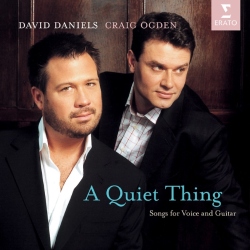
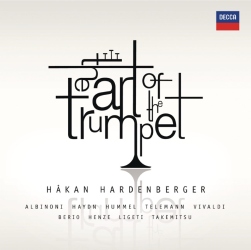
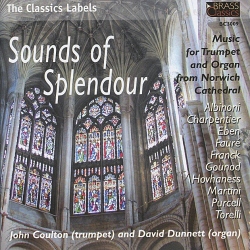
4
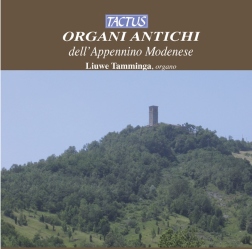
3:5
5
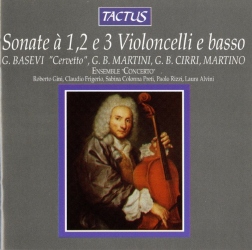
3:26
7
3:23
9
3:7
11
2:19
14
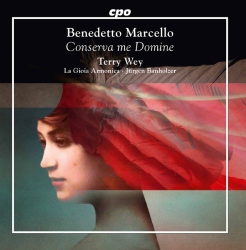
Protect me God
Ex tractatu Sancti Augustini Episcopi super Psalmos. Protexisti me Deus. Motetto a cembalo e salterio obbligati per solo alto
13:20
15
4:11
Copyright Ⓒ 2013 Davinci Finger. All rights reseved
Service Terms & Policy