


Hyacinthe Elénore Klosè
Released Album
Chamber
-
 June 24, 2016
 -
 January 29, 2016
 -
 December 18, 2012
 -
 February 24, 2004
Artist Info
Role:ComposerBirth:1808Death:1880Period:RomanticGenre:ChamberHyacinthe Elénore Klosè was a French composer and pianist who lived from 1809 to 1880. She was born in Paris to a family of musicians, and her father, Jean-Louis Klosè, was a well-known flutist and composer. Hyacinthe began her musical education at a young age, studying piano with her mother and composition with her father. As a child, Hyacinthe showed great promise as a musician, and her parents encouraged her to pursue a career in music. She made her public debut as a pianist at the age of 12, performing a concerto by Mozart with the orchestra of the Paris Conservatory. She continued her studies at the Conservatory, where she studied piano with Pierre Zimmermann and composition with François-Joseph Fétis. In 1831, Hyacinthe married the French composer and conductor François-Adrien Boieldieu, who was 30 years her senior. Boieldieu was a prominent figure in the French music scene, and he introduced Hyacinthe to many of the leading musicians and composers of the day. He also encouraged her to continue composing, and she began to gain recognition for her work. Hyacinthe's compositions were influenced by the Romantic style of the time, and she was particularly interested in the music of Chopin and Liszt. Her works were characterized by their lyrical melodies, rich harmonies, and virtuosic piano writing. She wrote in a variety of genres, including piano music, chamber music, and vocal music. One of Hyacinthe's most famous works is her Piano Concerto in E-flat major, which she composed in 1834. The concerto is a virtuosic showcase for the soloist, with a brilliant opening movement, a lyrical second movement, and a lively finale. The work was well-received by audiences and critics alike, and it helped to establish Hyacinthe's reputation as a composer. Hyacinthe also wrote a number of chamber works, including several piano trios and a string quartet. Her Piano Trio in G minor, composed in 1842, is a particularly fine example of her chamber music. The work is characterized by its dramatic intensity and its use of rich harmonies and expressive melodies. In addition to her instrumental music, Hyacinthe also wrote a number of vocal works, including songs and choral music. Her choral works were particularly popular, and she was commissioned to write several pieces for the Paris Opera. One of her most famous choral works is her setting of the Latin hymn "Ave Maria," which was composed in 1847. Despite her success as a composer, Hyacinthe faced many challenges as a woman in the male-dominated world of music. She was often dismissed by critics and colleagues who believed that women were not capable of composing serious music. She also faced discrimination in her personal life, as her marriage to Boieldieu was not recognized by French law, and she was denied the inheritance that would have been due to her as his widow. Despite these challenges, Hyacinthe continued to compose and perform throughout her life. She was a respected teacher and mentor to many young musicians, and she was a strong advocate for women's rights in the music world. She died in Paris in 1880, leaving behind a legacy of beautiful and innovative music that continues to be celebrated today.More....
Recent Artist Music
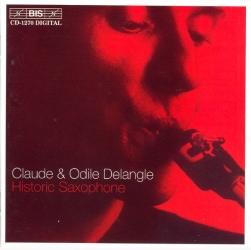
2
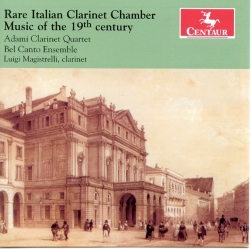
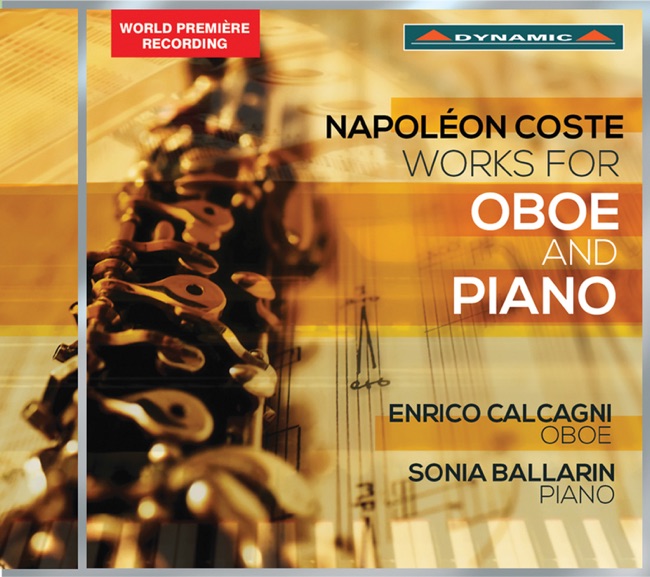
Fantasy for oboe, clarinet & piano on Sonnambula by Bellini
Fantasy from Sonnambula of V. Bellini for oboe, clarinet & piano
13:
4
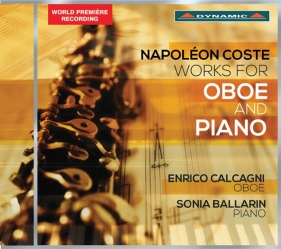
Solo No. 10 for clarinet & piano, Op. 27
10me Solo transcrit pour le hautbois avec accompagnement de piano par N. Coste
6:14
Copyright Ⓒ 2013 Davinci Finger. All rights reseved
Service Terms & Policy