


Hans Krása
Released Album
Chamber
-
 June 24, 2023
 -
 September 4, 2020
 -
 July 26, 2019
 -
 April 26, 2019
 -
 April 19, 2019
 -
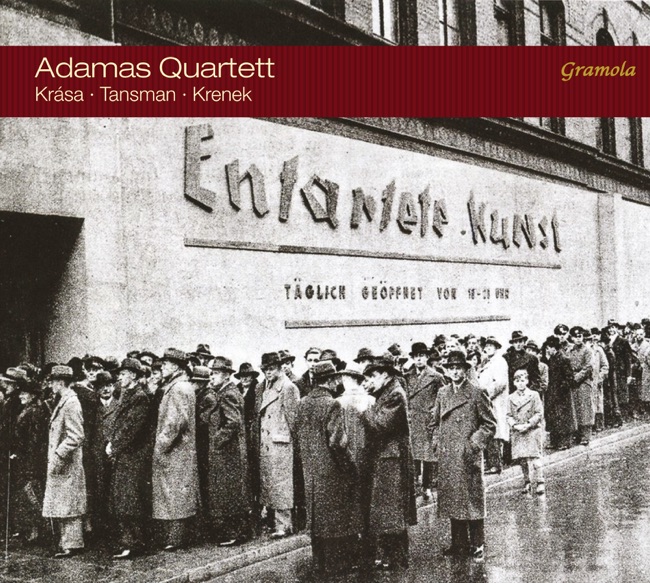 October 14, 2016
Vocal
-
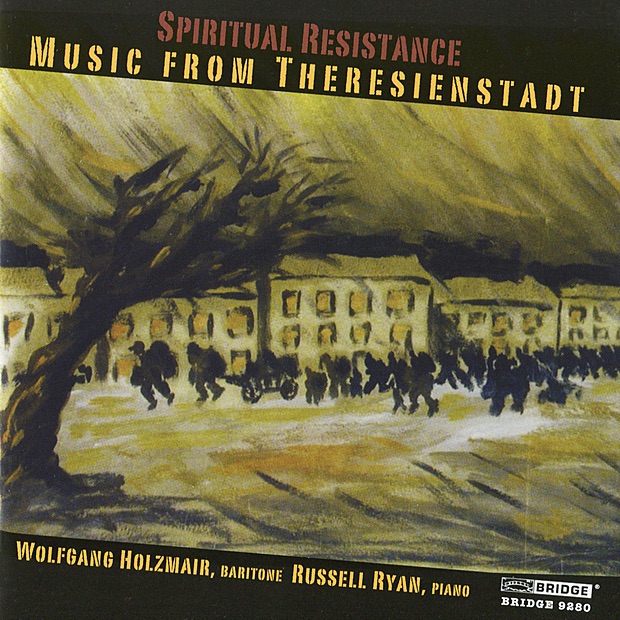 June 9, 2009
 -
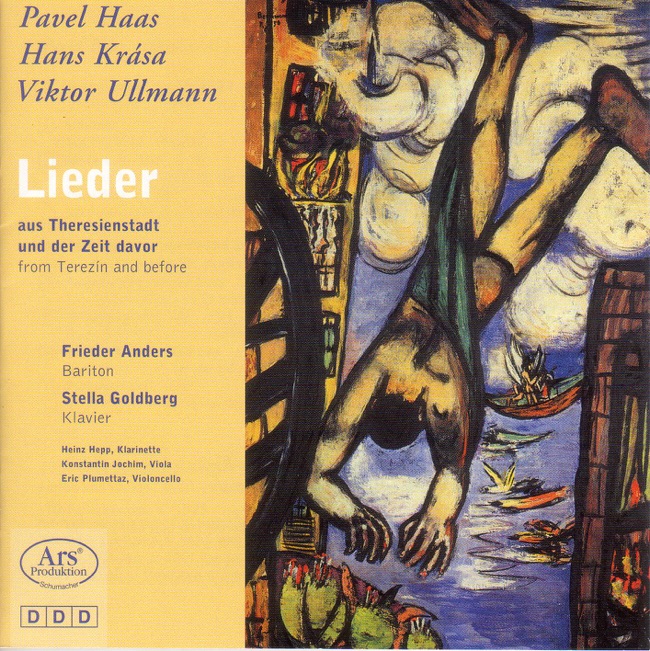 January 1, 2003
Miscellaneous
-
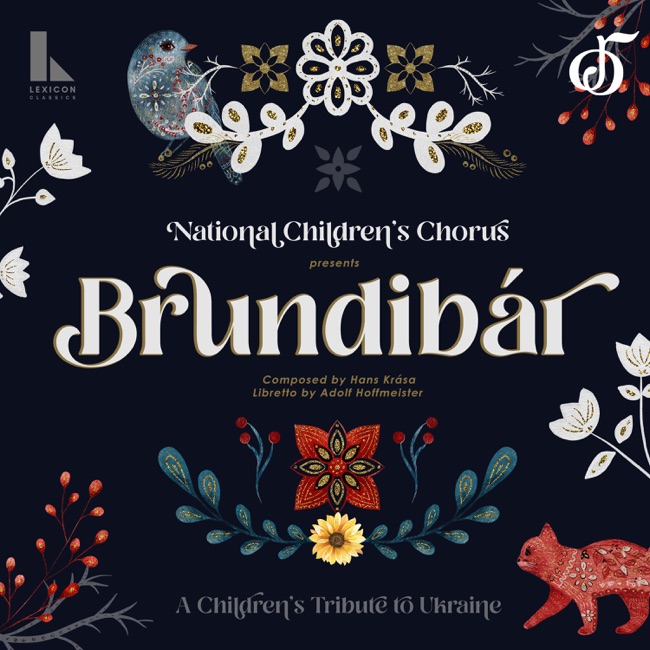 September 23, 2022
 -
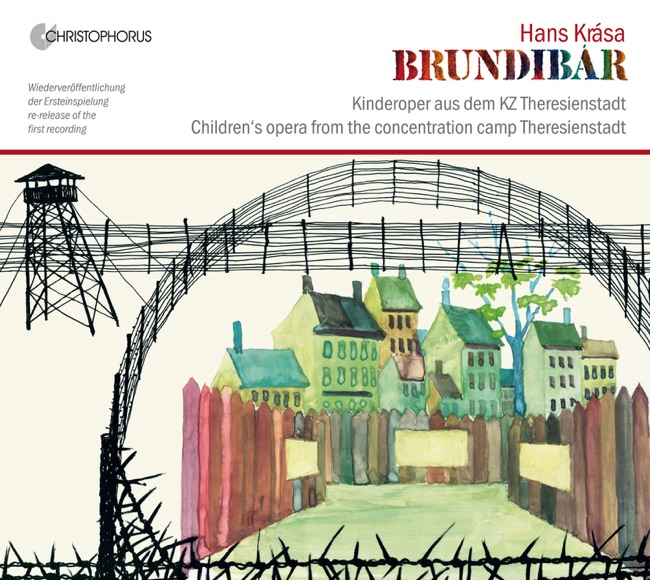 March 30, 2010
 -
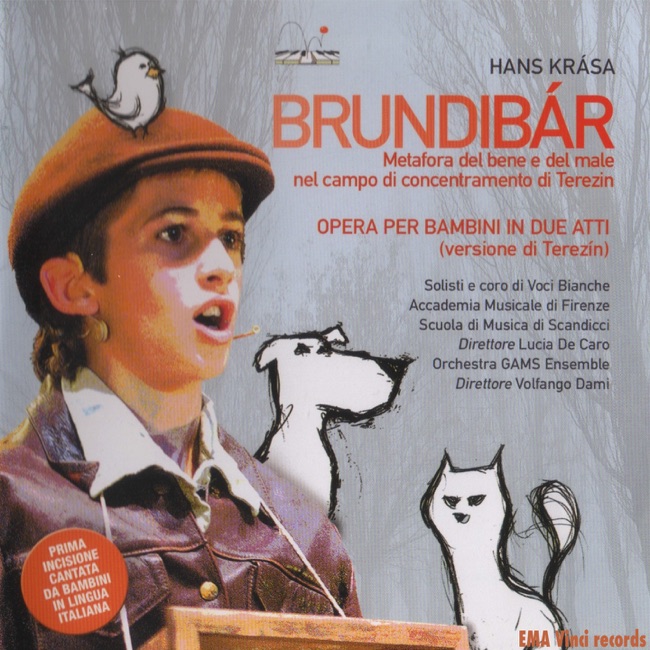 April 21, 2007
 -
 June, 1993
Keyboard
-
 June 17, 1997
Artist Info
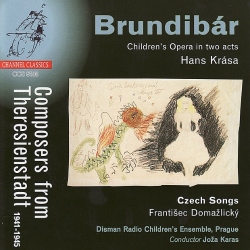
Role:ComposerCountry: Czech RepublicBirth:November 30, 1899 in Prague, Czech RepublicDeath:October 18, 1944 in Auschwitz, PolandPeriod:ModernGenre:ChamberKeyboardVocalHans Krása was a Czech composer born on November 30, 1899, in Prague. He was born into a Jewish family and showed an early interest in music. Krása began his musical education at the Prague Conservatory, where he studied composition with Alexander Zemlinsky and piano with Vilém Kurz. He later continued his studies in Vienna with Franz Schreker. Krása's early works were influenced by the late Romantic style of his teachers, but he soon developed his own unique voice. He was particularly interested in the music of the Second Viennese School, and his compositions began to incorporate elements of atonality and serialism. In the 1920s, Krása became involved with the avant-garde theater scene in Prague. He worked as a composer and conductor for the Osvobozené divadlo (Liberated Theater), a group that was known for its experimental productions. Krása's music for the theater was often characterized by its use of unconventional instruments and sound effects. Krása's career was interrupted by the Nazi occupation of Czechoslovakia in 1939. He was arrested and sent to the Theresienstadt concentration camp in 1942. Despite the terrible conditions in the camp, Krása continued to compose music. He wrote several works for the camp's cultural activities, including the children's opera Brundibár. Brundibár was first performed in the camp in 1943 and became a symbol of hope for the prisoners. The opera tells the story of two children who try to earn money to buy milk for their sick mother. They are thwarted by the evil organ grinder Brundibár, but with the help of their animal friends and a group of children, they are able to defeat him. The opera's themes of perseverance and community resonated with the prisoners, and it was performed over 50 times in the camp. Krása's other works from this period include the String Trio and the Piano Sonata. These works are characterized by their use of folk melodies and their emotional intensity. Krása's music from the Theresienstadt period is a testament to his resilience and creativity in the face of unimaginable hardship. Unfortunately, Krása's life was cut short when he was sent to Auschwitz in October 1944. He was killed in the gas chambers shortly after his arrival. Krása's music was largely forgotten after his death, but it has since been rediscovered and recognized for its importance. His works are now performed regularly in concert halls around the world, and Brundibár has become a staple of children's opera productions. In conclusion, Hans Krása was a talented composer who was tragically cut down in his prime. His music is a testament to his creativity and resilience in the face of unimaginable hardship. Krása's legacy lives on through his compositions, which continue to inspire and move audiences today.More....
Recent Artist Music


10
42
Copyright Ⓒ 2013 Davinci Finger. All rights reseved
Service Terms & Policy