


James Burton
Released Album
Choral
-
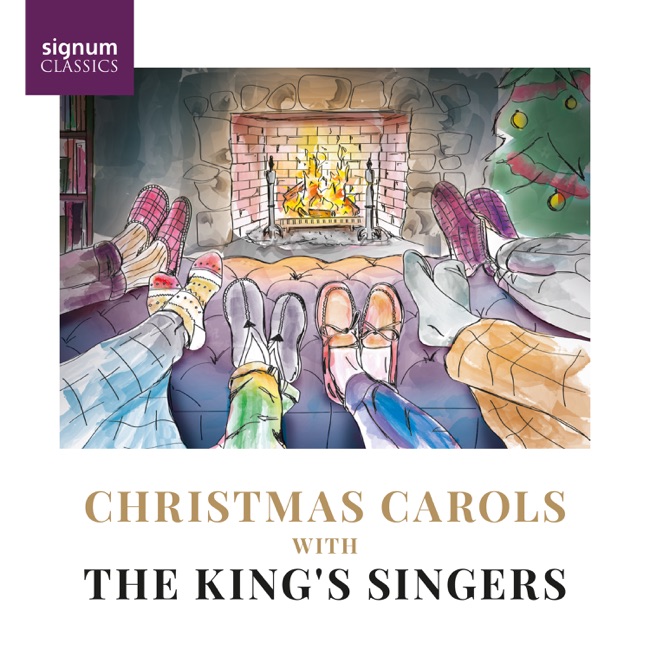 September 3, 2021
 -
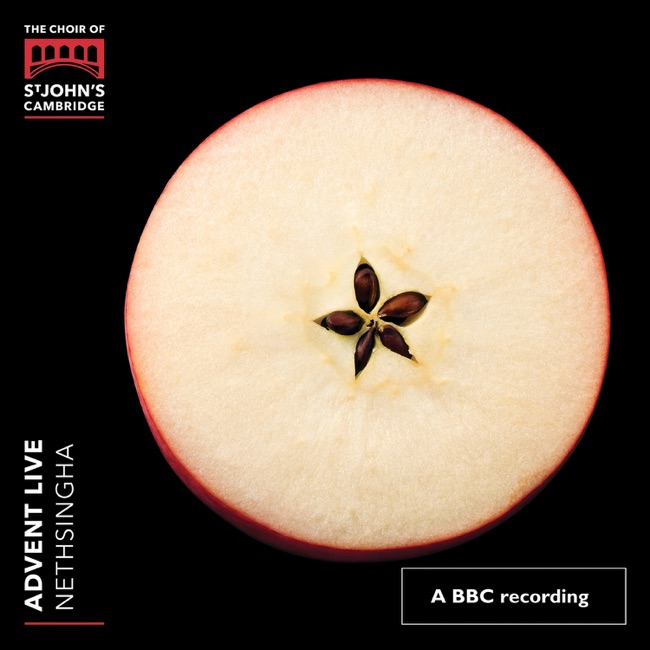 September 7, 2018
 -
 December 7, 2017
 -
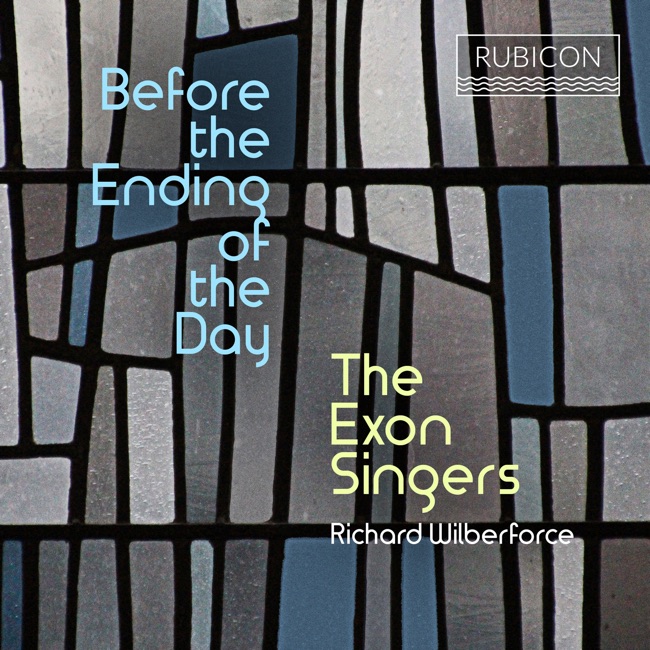 April 28, 2017
 -
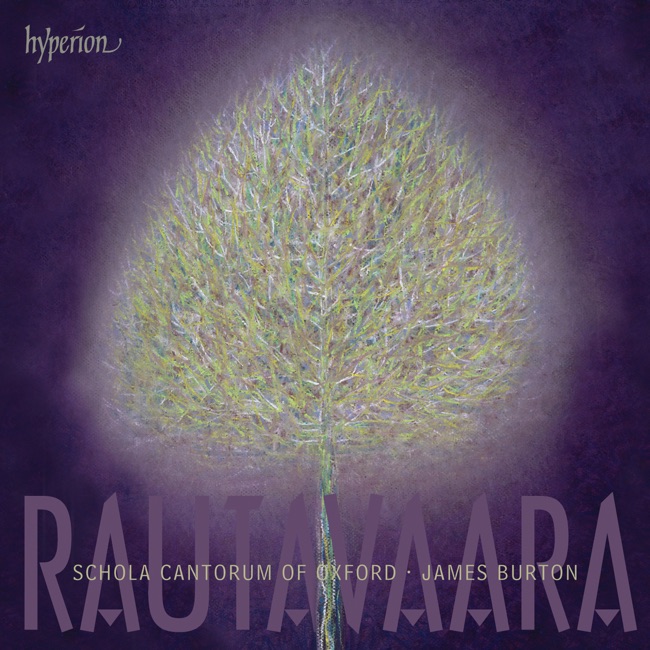 January 4, 2010
 -
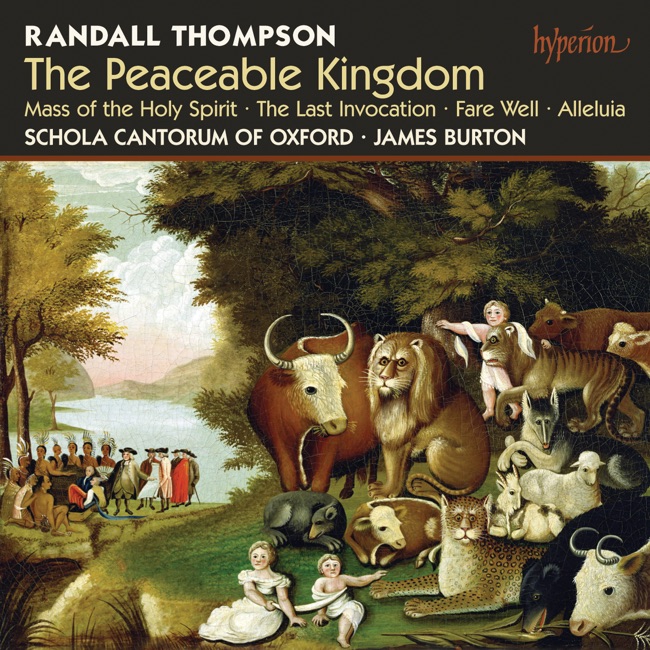 October 6, 2008
Vocal
-
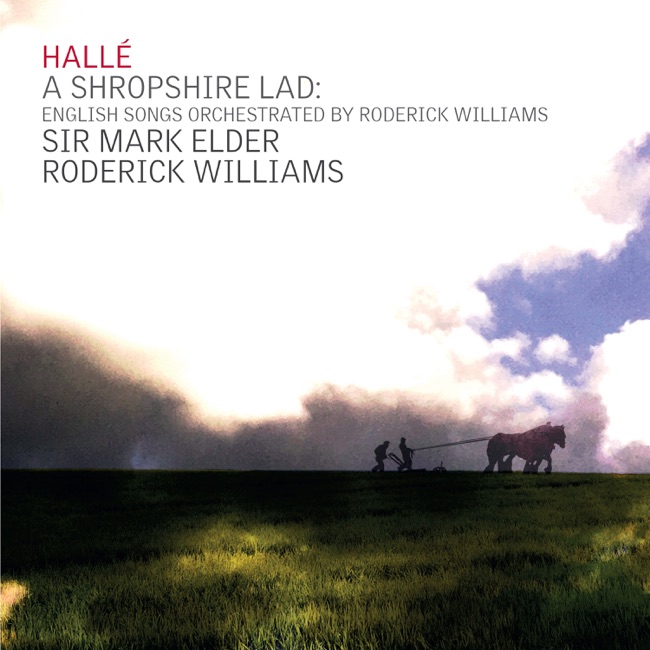 November 4, 2022
Symphony
-
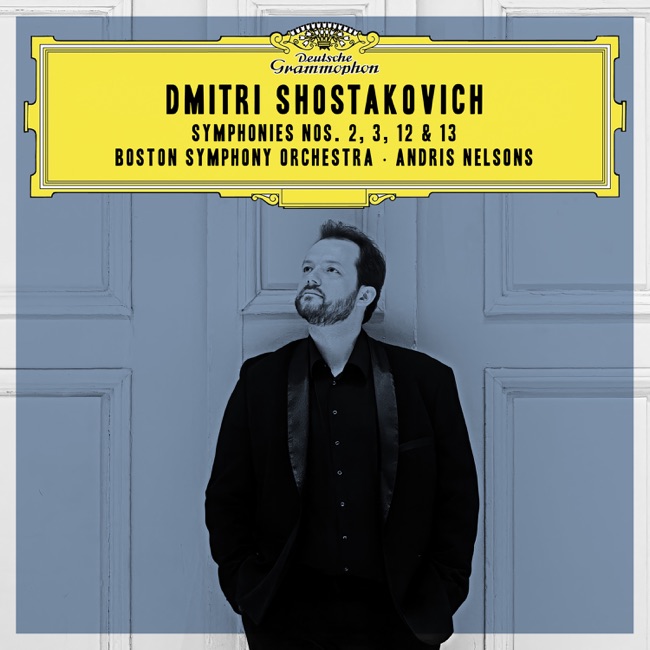 October 20, 2023
Artist Info
Role:Composer Conductor PerformerCountry: United KingdomBirth:1974 in London, EnglandGenre:ChoralJames Burton was a renowned classical music composer who was born on August 22, 1931, in Anderson, Indiana. He was the son of a music teacher and grew up in a musical family. His father was a pianist, and his mother was a singer. Burton's parents recognized his musical talent at an early age and encouraged him to pursue a career in music. Burton began his musical education at the age of six when he started taking piano lessons. He quickly showed a natural talent for the instrument and began composing his own music at the age of eight. By the time he was a teenager, Burton was already an accomplished pianist and composer. After graduating from high school, Burton attended the Indiana University School of Music, where he studied composition with the renowned composer Bernard Heiden. He also studied piano with the pianist and pedagogue Sidney Foster. During his time at Indiana University, Burton composed several works that were performed by the university's orchestra and chamber ensembles. After completing his studies at Indiana University, Burton moved to New York City to pursue a career as a composer. He quickly established himself as a rising star in the classical music world, and his works were performed by some of the most prestigious orchestras and ensembles in the country. One of Burton's most significant early works was his Symphony No. 1, which was premiered by the New York Philharmonic in 1960. The symphony was well-received by critics and established Burton as a major force in the classical music world. The work is characterized by its lush harmonies, intricate counterpoint, and soaring melodies. In addition to his symphonic works, Burton also composed several chamber music pieces, including his String Quartet No. 1, which was premiered by the Juilliard String Quartet in 1962. The quartet is a complex and challenging work that showcases Burton's mastery of counterpoint and his ability to create intricate textures and harmonies. Throughout the 1960s and 1970s, Burton continued to compose works that were performed by some of the most prestigious orchestras and ensembles in the world. One of his most significant works from this period was his Concerto for Piano and Orchestra, which was premiered by the Boston Symphony Orchestra in 1975. The concerto is a virtuosic showcase for the soloist and features complex rhythms, intricate harmonies, and dazzling piano passages. In addition to his work as a composer, Burton was also a respected music educator. He taught composition at several universities, including the University of Michigan, the University of Iowa, and the University of Buffalo. Many of his students went on to become successful composers in their own right. Burton's later works were characterized by a more experimental and avant-garde approach to composition. He began incorporating electronic music and computer-generated sounds into his works, and his compositions became more abstract and challenging. One of his most significant works from this period was his Symphony No. 3, which was premiered by the Chicago Symphony Orchestra in 1985. The symphony is a complex and challenging work that features a wide range of textures and sounds, including electronic music and computer-generated sounds. Despite his experimental approach to composition, Burton remained committed to the traditional forms and structures of classical music.More....
Recent Artist Music
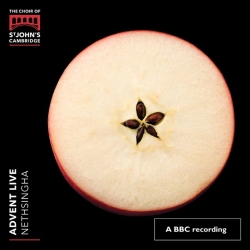

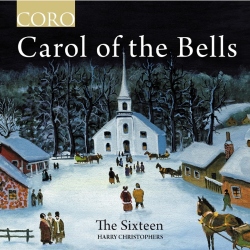
9
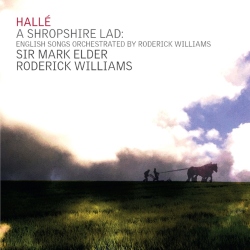
2:13



Copyright Ⓒ 2013 Davinci Finger. All rights reseved
Service Terms & Policy