


Germaine Tailleferre
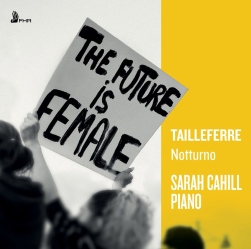
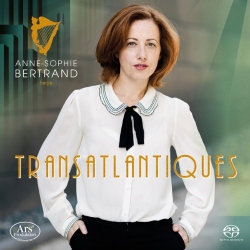
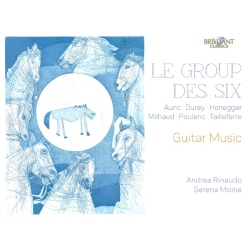
Released Album
Chamber
-
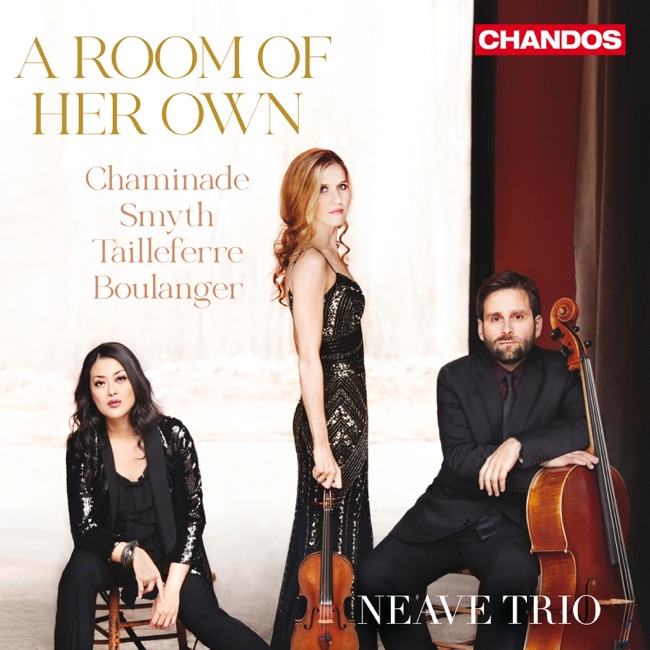 February 16, 2024
 -
 January 5, 2024
 -
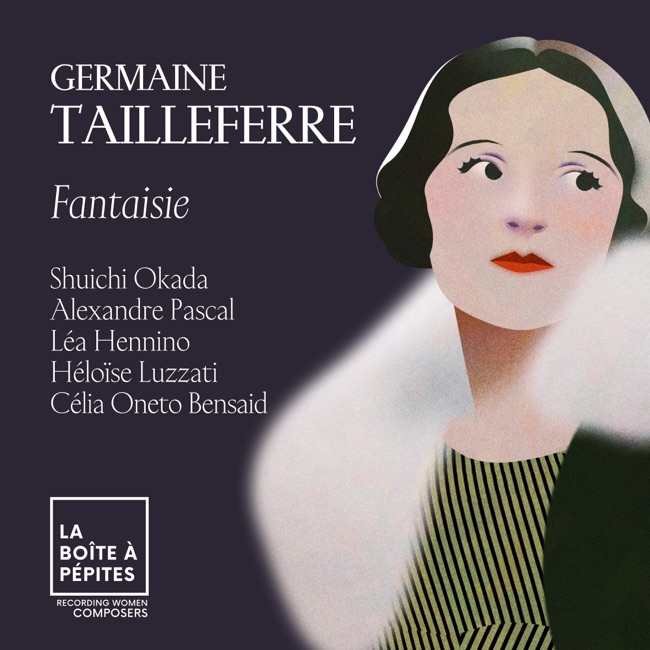
-
 April 25, 2023
 -
 April 19, 2023
 -
 March 12, 2021
Keyboard
-
 October 6, 2024
 -
 March 30, 2024
 -
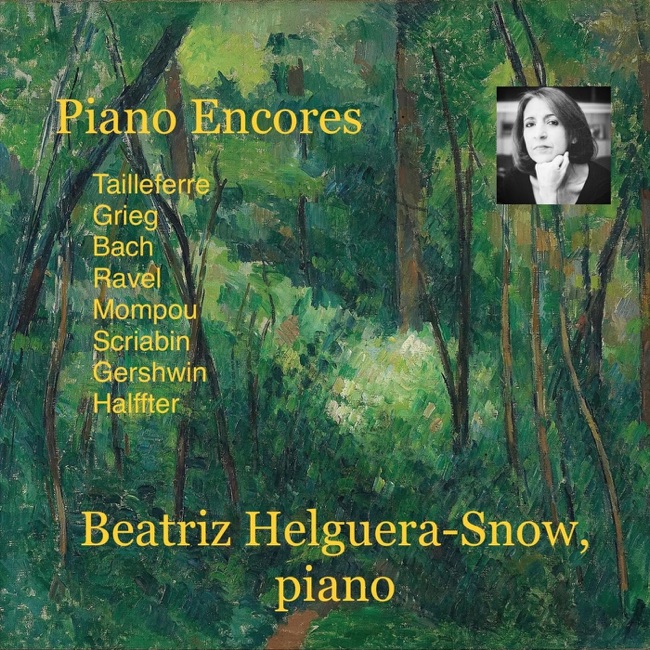
-
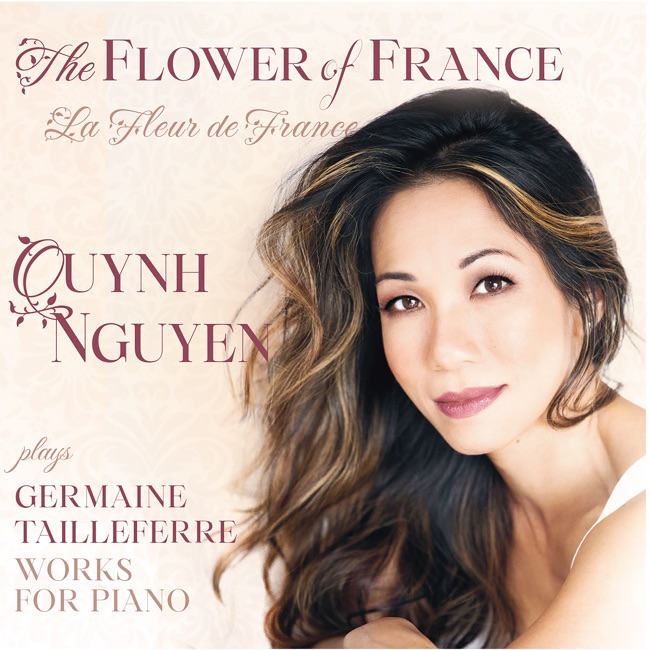
-
 December 9, 2022
 -
 November 11, 2022
Orchestral
-
 August 18, 2008
 -
Concerto
-
 May 3, 2019
 -
 March 17, 2017
 -
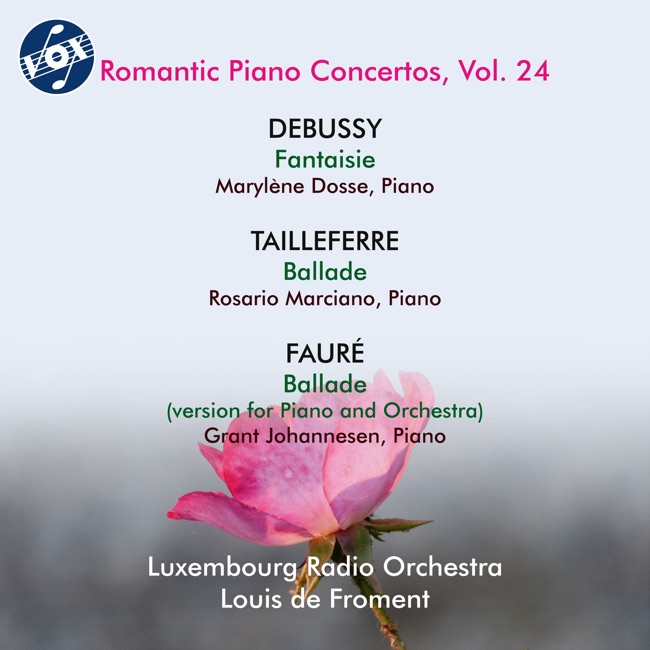 January 1, 2016
 -
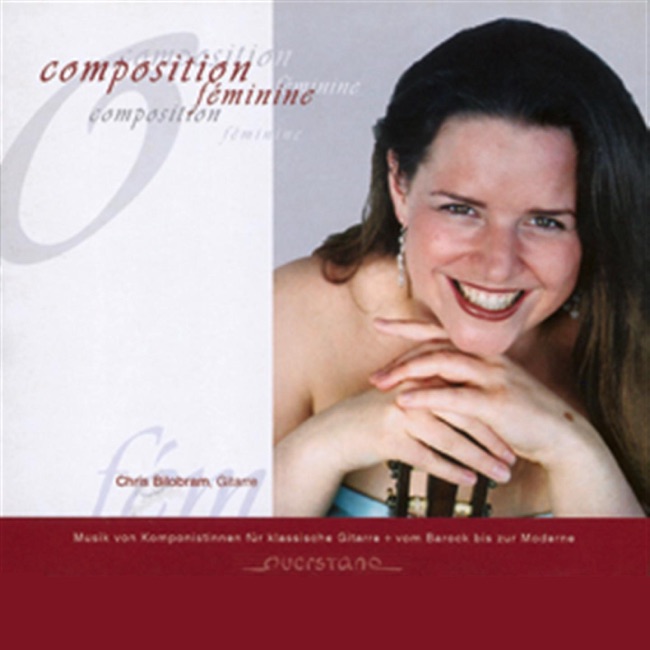 February 14, 2006
 -
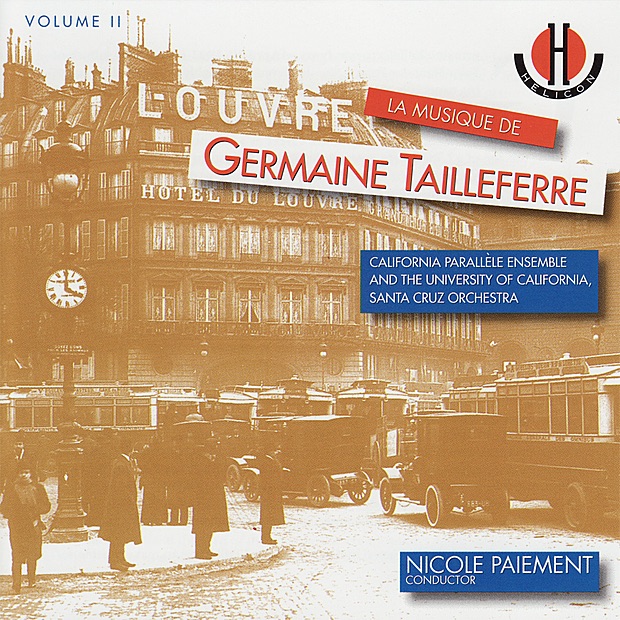 November 30, 1999
 -
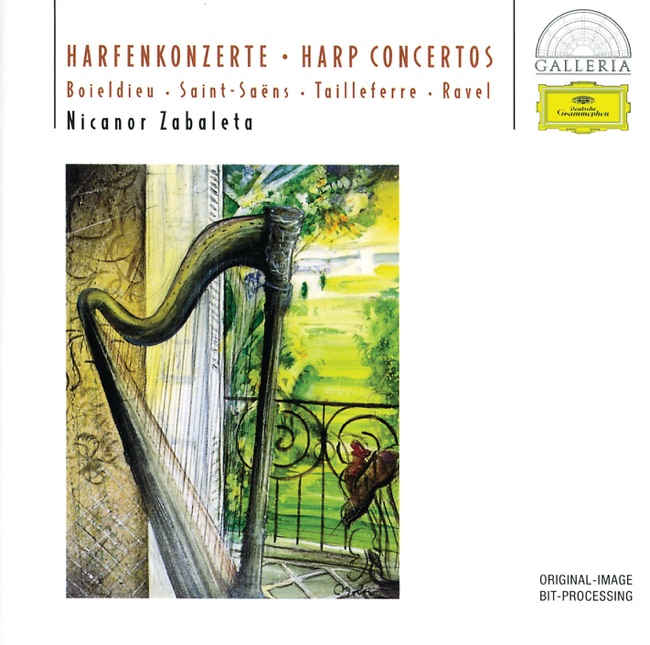 July 1, 1999
Artist Info
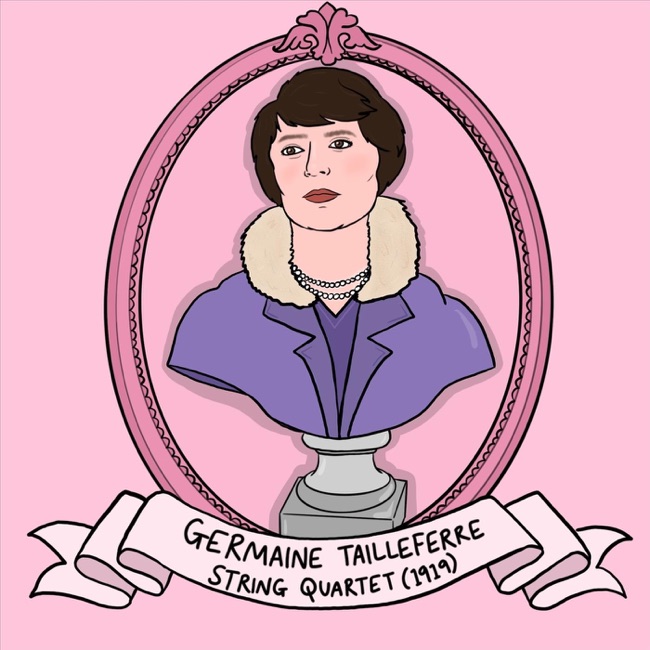
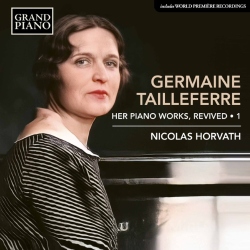
Role:ComposerCountry: FranceBirth:April 19, 1892 in Saint Maur des Fossés, FranceDeath:November 7, 1983 in Paris, FrancePeriod:ContemporaryModernGenre:ChamberKeyboardGermaine Tailleferre was a French composer and pianist who was born on April 19, 1892, in Saint-Maur-des-Fossés, France. She was the only female member of the group of composers known as Les Six, which included Georges Auric, Louis Durey, Arthur Honegger, Darius Milhaud, and Francis Poulenc. Tailleferre was a prolific composer who wrote in a variety of genres, including ballets, operas, chamber music, and film scores. Tailleferre was born into a musical family, and her parents encouraged her to pursue music from a young age. She began studying piano at the age of five and later attended the Paris Conservatory, where she studied composition with Maurice Ravel. She was one of the few female students at the conservatory and faced discrimination from her male peers and teachers. Despite this, she persevered and graduated with top honors in 1919. Tailleferre's early works were influenced by the impressionist style of her teacher Ravel, but she later developed her own unique voice. Her music was characterized by its clarity, elegance, and simplicity. She was also known for her use of unconventional harmonies and rhythms. One of Tailleferre's most famous works is the ballet La Nouvelle Cythère, which was commissioned by Sergei Diaghilev for the Ballets Russes in 1925. The ballet was a huge success and helped establish Tailleferre's reputation as a composer. She went on to write several more ballets, including Le Marchand d'oiseaux and Paris-Magie. In addition to her ballets, Tailleferre wrote several operas, including La Petite Sirène and La Fille d'opéra. She also wrote chamber music, including a piano trio and a string quartet. Her music was performed by some of the most famous musicians of the time, including pianist Marguerite Long and cellist Pablo Casals. During World War II, Tailleferre and her family fled Paris and lived in the United States for several years. While there, she wrote several film scores, including one for the movie The Plow That Broke the Plains. She also continued to write classical music and premiered her Concertino for Harp and Orchestra in 1947. After the war, Tailleferre returned to Paris and continued to compose. She wrote several more operas, including La Petite Sirène and La Fille d'opéra. She also wrote music for radio and television and continued to write film scores. Tailleferre was a trailblazer for women in classical music and paved the way for future female composers. She was a member of the French Society of Women Composers and was a mentor to several young female composers. She died on November 7, 1983, in Paris, France, at the age of 91. In conclusion, Germaine Tailleferre was a talented and influential composer who made significant contributions to the world of classical music. Her music was characterized by its clarity, elegance, and simplicity, and she was known for her use of unconventional harmonies and rhythms. She wrote in a variety of genres, including ballets, operas, chamber music, and film scores, and her works were performed by some of the most famous musicians of the time. Tailleferre was a trailblazer for women in classical music and paved the way for future female composers. Her legacy continues to inspire and influence musicians today.More....
Recent Artist Music



15

4:35









Copyright Ⓒ 2013 Davinci Finger. All rights reseved
Service Terms & Policy