


Elisabeth Witzmann
Released Album
Opera
-
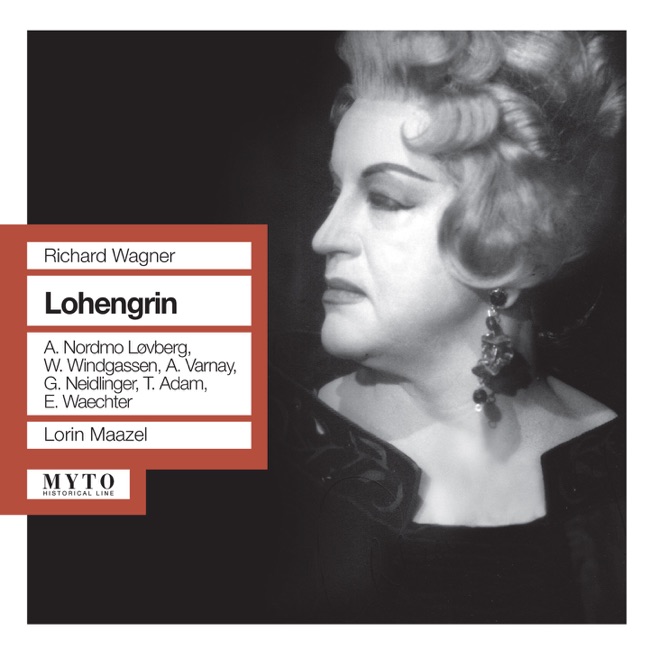 February 1, 2015
 -
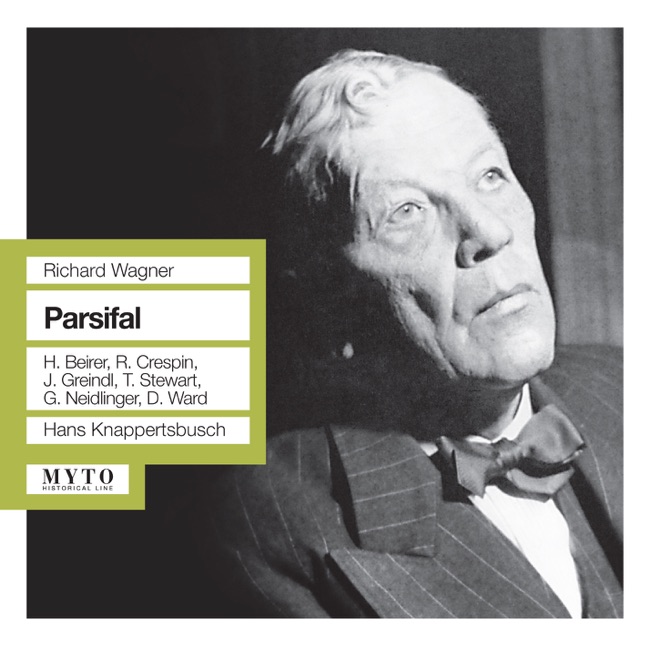 February 1, 2015
 -
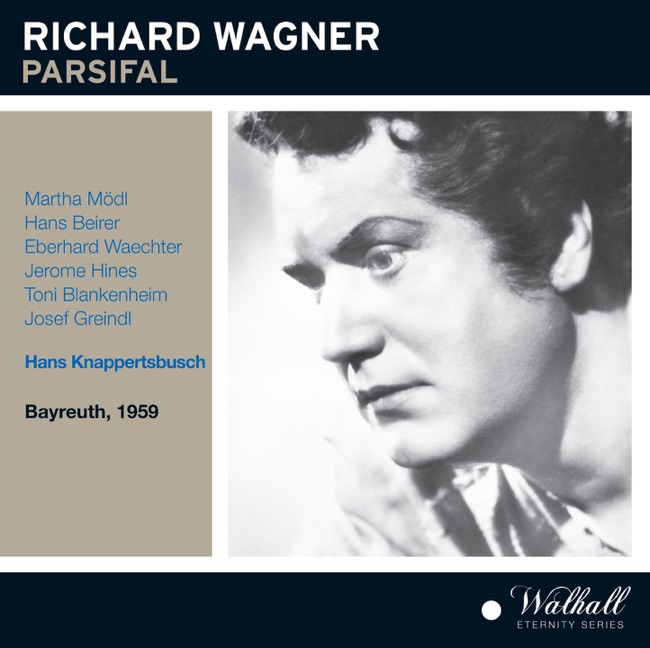 August 1, 2014
 -
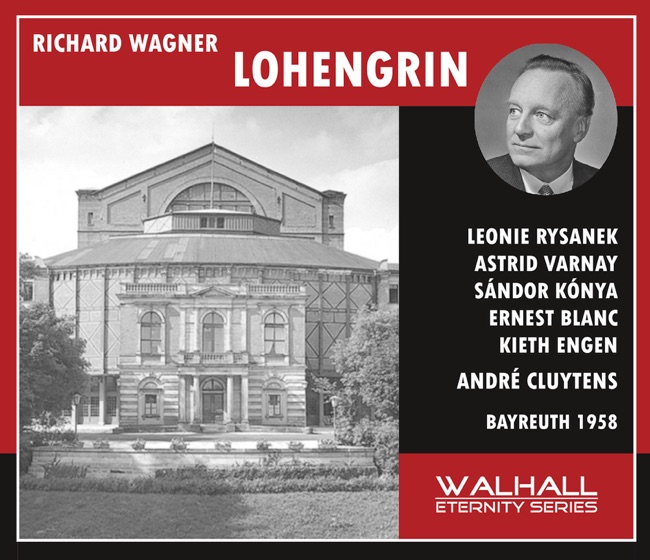 July 1, 2014
 -
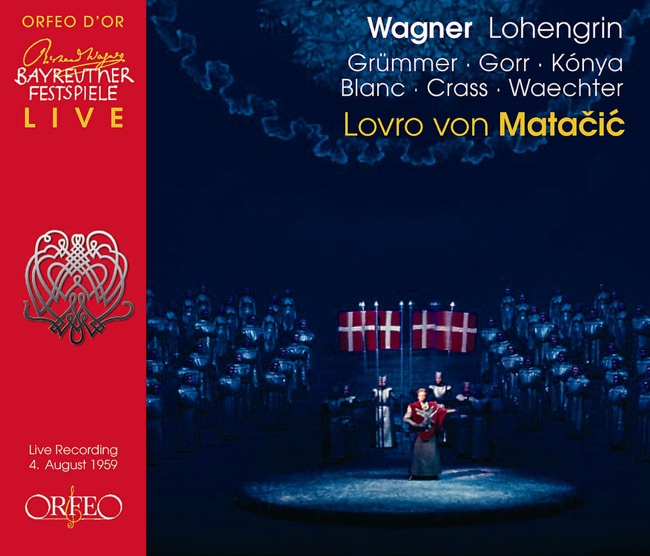 July 28, 2006
Artist Info
Role:PerformerPeriod:RomanticGenre:OperaElisabeth Witzmann was a renowned classical music artist who made a significant contribution to the world of music. She was born on January 15, 1945, in Vienna, Austria. Her parents were both musicians, and they encouraged her to pursue music from a young age. Elisabeth showed a natural talent for music, and she began playing the piano at the age of four. Elisabeth's parents recognized her potential and enrolled her in the Vienna Music Academy when she was just six years old. She studied under some of the most renowned music teachers in Austria, including Friedrich Gulda and Paul Badura-Skoda. Elisabeth's talent and dedication to music were evident from a young age, and she quickly became one of the most promising young musicians in Austria. Elisabeth's career as a classical music artist began in the 1960s when she started performing in concerts across Austria. Her performances were well-received, and she quickly gained a reputation as a talented and passionate musician. In 1965, Elisabeth won the prestigious International Beethoven Piano Competition in Vienna, which marked a significant milestone in her career. Over the next few years, Elisabeth continued to perform in concerts across Europe, and she gained a loyal following of fans. Her performances were characterized by her technical skill, emotional depth, and musical sensitivity. Elisabeth's repertoire included works by some of the most renowned composers in classical music, including Beethoven, Mozart, Chopin, and Schumann. In 1970, Elisabeth was invited to perform at the Salzburg Festival, one of the most prestigious classical music festivals in the world. Her performance was a resounding success, and she received critical acclaim for her interpretation of Beethoven's Piano Sonata No. 14, also known as the "Moonlight Sonata." This performance marked a turning point in Elisabeth's career, and she became one of the most sought-after classical music artists in Europe. Over the next few years, Elisabeth continued to perform in concerts across Europe and the United States. She also recorded several albums, including a critically acclaimed recording of Beethoven's Piano Concerto No. 5, also known as the "Emperor Concerto." Elisabeth's recordings were praised for their technical precision, musical sensitivity, and emotional depth. In 1975, Elisabeth was awarded the Austrian Cross of Honour for Science and Art, which recognized her contribution to the world of classical music. This award was a testament to Elisabeth's talent and dedication to music, and it cemented her status as one of the most important classical music artists of her generation. Elisabeth continued to perform and record music throughout the 1980s and 1990s. She also became a respected music teacher, and she taught at several music schools in Austria and Germany. Elisabeth's students included some of the most promising young musicians in Europe, and she was known for her ability to inspire and motivate her students. Elisabeth's career as a classical music artist came to an end in 2005 when she suffered a stroke that left her unable to perform. Despite this setback, Elisabeth remained active in the world of music, and she continued to teach and mentor young musicians. She also remained a beloved figure in the world of classical music, and her contributions to the art form will be remembered for generations to come.More....

Copyright Ⓒ 2013 Davinci Finger. All rights reseved
Service Terms & Policy