


Kent Kennan
Released Album
Chamber
-
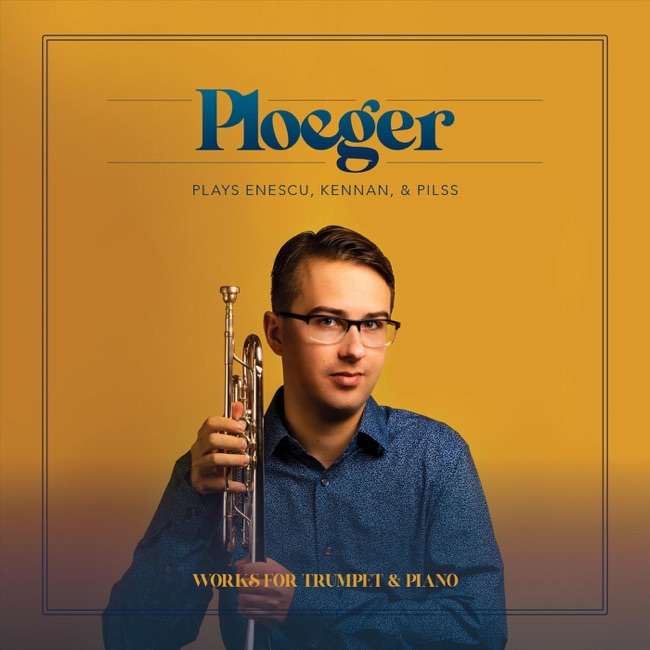 June 15, 2020
 -
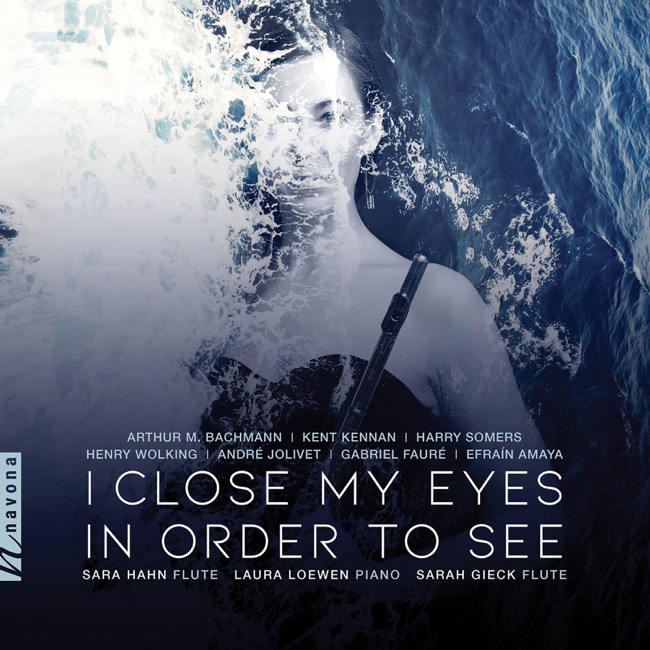 September 14, 2018
 -
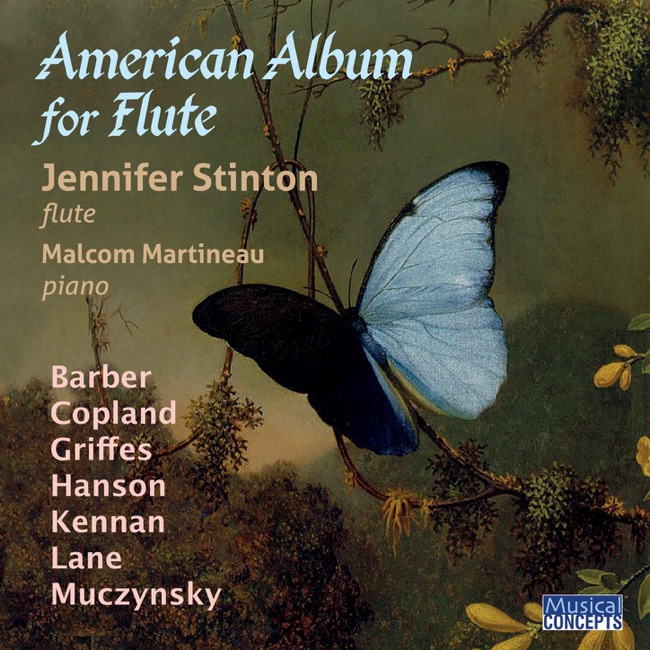 January 20, 2015
 -
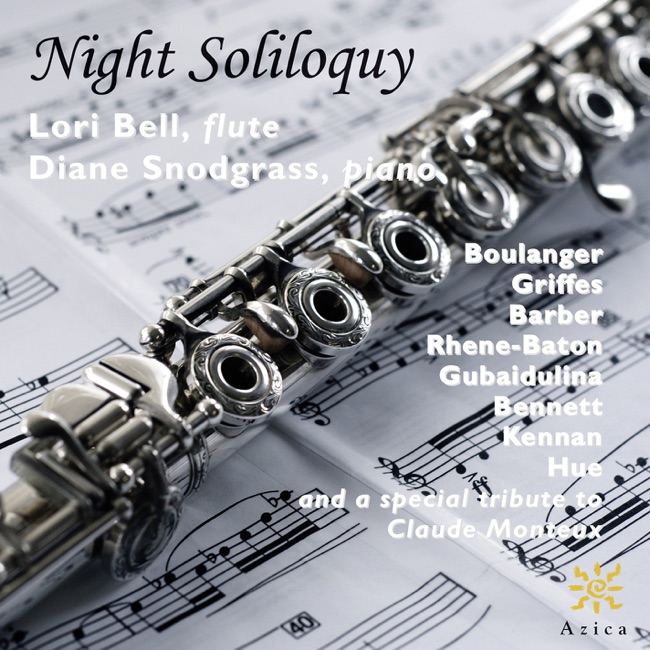 April 29, 2014
 -
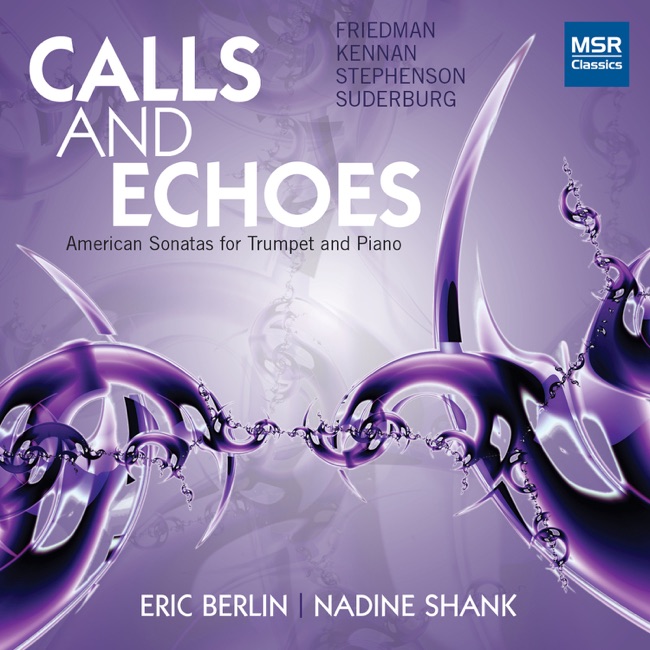 July 9, 2013
 -
 April 10, 2012
Orchestral
-
 September 1, 2004
Keyboard
-
 March 15, 2019
 -
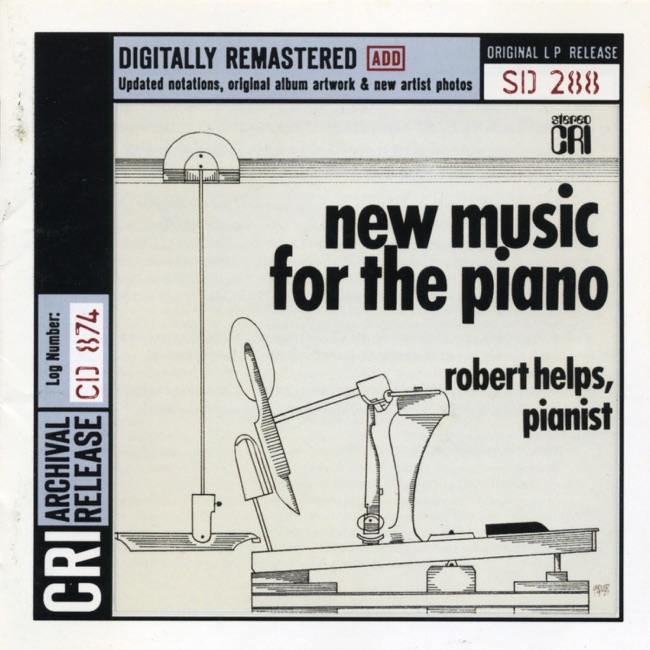 May 29, 2001
Artist Info
Role:ComposerBirth:April 18, 1913Death:November 1, 2003Period:ContemporaryGenre:ChamberKent Kennan was an American composer, educator, and conductor who was born on April 18, 1913, in Milwaukee, Wisconsin. He was the son of a lawyer and a pianist, and his parents encouraged him to pursue music from a young age. Kennan began playing the piano at the age of four and started composing music when he was just eleven years old. Kennan's early musical education was primarily focused on the piano, but he also studied composition with Ernst Krenek and Bernard Rogers at the Eastman School of Music in Rochester, New York. After completing his undergraduate degree at Eastman, Kennan went on to study composition with Aaron Copland at the Berkshire Music Center in Tanglewood, Massachusetts. In 1937, Kennan was awarded a fellowship to study composition in Paris, where he worked with Nadia Boulanger, one of the most influential composition teachers of the 20th century. While in Paris, Kennan also studied with Darius Milhaud and attended concerts by some of the leading composers of the time, including Igor Stravinsky and Maurice Ravel. After returning to the United States, Kennan began his career as a composer and educator. He taught at several universities, including the University of Texas at Austin, the University of Michigan, and the University of Wisconsin-Madison. He also served as the composer-in-residence at the National Symphony Orchestra in Washington, D.C. Kennan's compositions are known for their clarity, elegance, and emotional depth. He wrote in a variety of genres, including orchestral music, chamber music, choral music, and music for solo instruments. Some of his most famous works include the "Night Soliloquy" for flute and orchestra, the "Sonata for Trumpet and Piano," and the "Three Pieces for Orchestra." One of Kennan's most significant contributions to the world of music was his textbook, "The Technique of Orchestration," which has become a standard text in music schools around the world. The book provides a comprehensive guide to the art of orchestration, including detailed explanations of the various instruments in the orchestra and how they can be combined to create different textures and moods. Throughout his career, Kennan received numerous awards and honors for his contributions to music. He was a member of the American Academy of Arts and Letters and was awarded the Pulitzer Prize in Music in 1956 for his "Symphony No. 3." He also received the National Medal of Arts in 1998, which is the highest honor given to artists and arts patrons by the United States government. Despite his many accomplishments, Kennan remained humble and dedicated to his craft throughout his life. He once said, "I don't think of myself as a great composer. I think of myself as a composer who has written some good music." Nevertheless, his music continues to be performed and admired by musicians and audiences around the world, and his legacy as a composer and educator remains an inspiration to future generations of musicians.More....
Recent Artist Music

Copyright Ⓒ 2013 Davinci Finger. All rights reseved
Service Terms & Policy