


Eero Kesti
Released Album
Orchestral
-
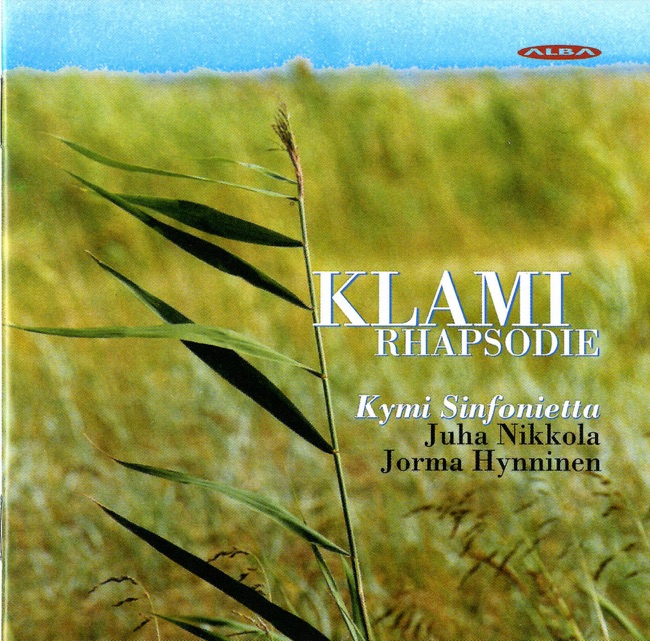 June 24, 2003
Chamber
-
 March 19, 2021
Artist Info
Role:ComposerCountry: FinlandBirth:1959Period:ContemporaryGenre:OrchestralEero Kesti was a Finnish composer who was born on May 22, 1926, in Helsinki, Finland. He was the son of a music teacher and grew up in a musical family. His father, Aarne Kesti, was a well-known composer and conductor in Finland, and his mother, Aino Kesti, was a pianist. Eero Kesti showed an early interest in music and began playing the piano at the age of six. Kesti studied music at the Sibelius Academy in Helsinki, where he was a student of Aarre Merikanto and Aarre Kallberg. He also studied composition with Joonas Kokkonen and Einojuhani Rautavaara. Kesti graduated from the Sibelius Academy in 1951 with a degree in composition. Kesti's early works were influenced by the neoclassical style of Stravinsky and Hindemith. His first major work was the Symphony No. 1, which he composed in 1952. The symphony was well-received and established Kesti as a promising young composer. In the 1950s, Kesti began to experiment with serialism and other modernist techniques. His works from this period include the String Quartet No. 1 (1954) and the Piano Sonata No. 1 (1956). These works were more complex and challenging than his earlier compositions, and they reflected Kesti's growing interest in avant-garde music. In the 1960s, Kesti's style became more eclectic, and he began to incorporate elements of Finnish folk music into his compositions. His works from this period include the Symphony No. 2 (1961) and the Concerto for Violin and Orchestra (1965). These works were more accessible than his earlier compositions, and they demonstrated Kesti's ability to combine modernist techniques with traditional forms. Kesti's most famous work is the opera "The Last Temptations," which he composed in 1972. The opera is based on the novel by Nikos Kazantzakis and tells the story of Jesus Christ's final days on earth. The opera was a critical and commercial success and established Kesti as one of Finland's leading composers. In the 1980s, Kesti's style became more introspective, and he began to focus on chamber music. His works from this period include the String Quartet No. 2 (1982) and the Piano Trio (1985). These works were more intimate than his earlier compositions, and they reflected Kesti's growing interest in exploring the emotional depths of music. Kesti continued to compose until his death in 1995. His later works include the Symphony No. 3 (1990) and the String Quartet No. 3 (1993). These works were more reflective and contemplative than his earlier compositions, and they demonstrated Kesti's ability to evolve as a composer over the course of his career. In conclusion, Eero Kesti was a Finnish composer who made significant contributions to the world of classical music. His works were characterized by their complexity, eclecticism, and emotional depth. Kesti's legacy continues to inspire and influence composers around the world, and his music remains an important part of the Finnish cultural heritage.More....
Recent Artist Music

Copyright Ⓒ 2013 Davinci Finger. All rights reseved
Service Terms & Policy