


Alejandro Corona
Released Album
Keyboard
-
 June 1, 2024
 -
 April 26, 2024
 -
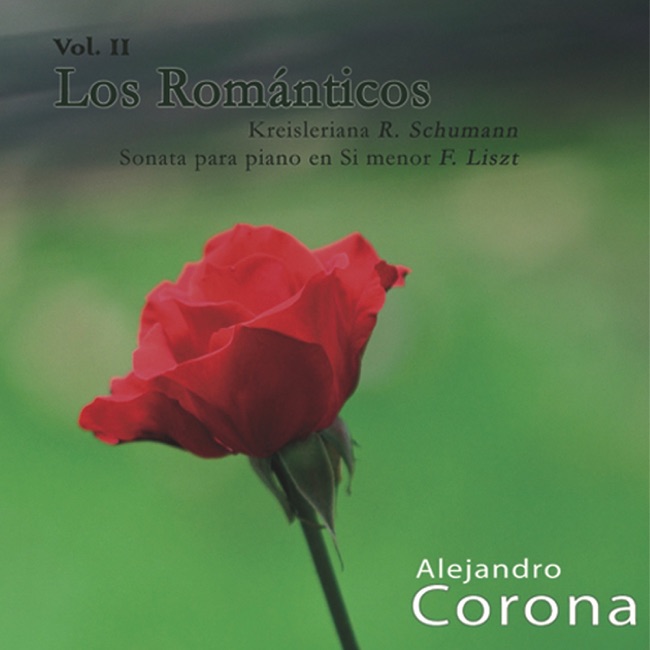 July 25, 2010
 -
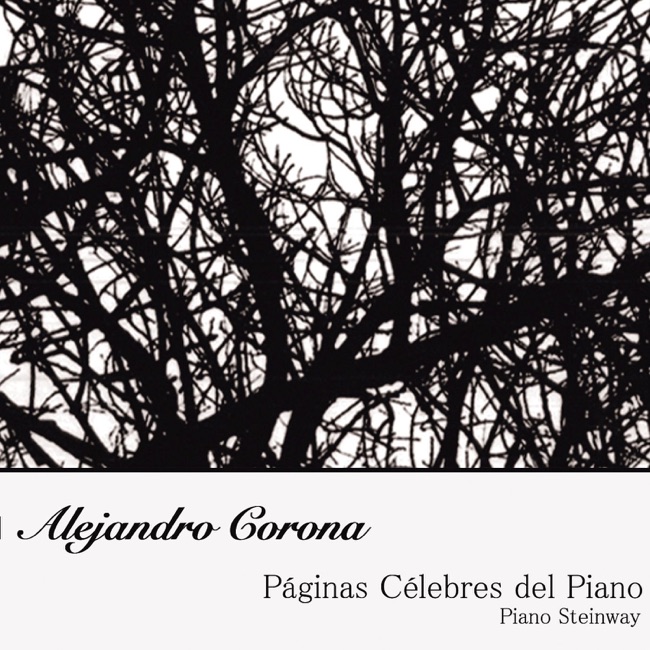 August 15, 1997
Chamber
-
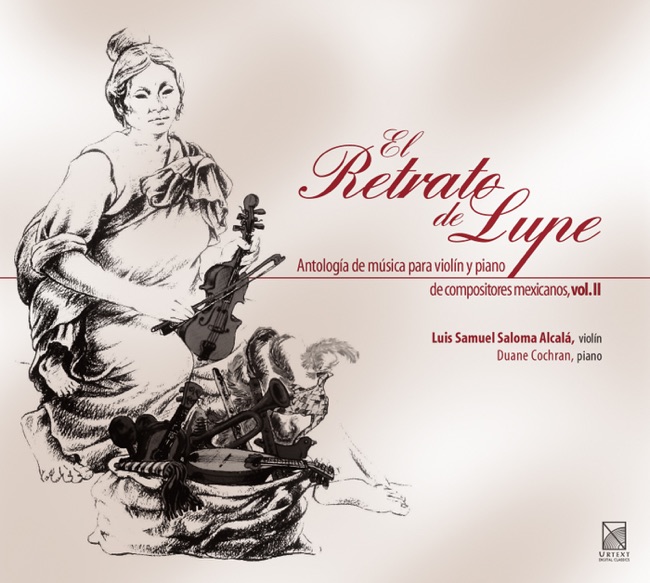
-
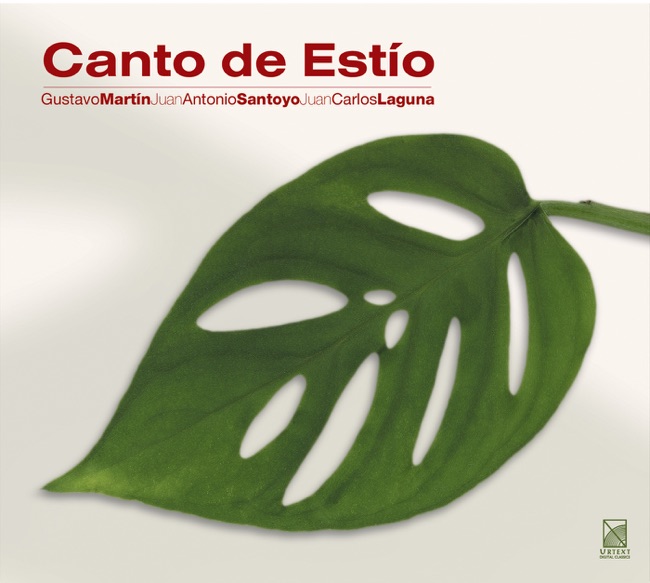 March 14, 2006
Artist Info
Role:ComposerCountry: MexicoBirth:1954 in Mexico City, MexicoAlejandro Corona was a Mexican composer and pianist who was born on August 1, 1918, in Mexico City. He was the son of a music teacher and grew up in a musical family. His father, Luis Corona, was a composer and conductor, and his mother, Maria Teresa Rodriguez, was a pianist. Alejandro showed an early interest in music and began studying piano at the age of six. Corona's musical education began at the National Conservatory of Music in Mexico City, where he studied piano with Carlos Chavez and composition with Silvestre Revueltas. He later continued his studies in composition with Aaron Copland at the Tanglewood Music Center in Massachusetts. Copland was a major influence on Corona's music, and he encouraged him to incorporate Mexican folk music into his compositions. Corona's early works were influenced by the neoclassical style of Stravinsky and the Mexican nationalist movement. His first major composition was the ballet "El Nacimiento de la Luna" (The Birth of the Moon), which was premiered in 1943. The ballet was based on a Mexican legend and featured music that incorporated traditional Mexican rhythms and melodies. In 1945, Corona was awarded a scholarship from the Mexican government to study in Paris. He studied composition with Nadia Boulanger and piano with Lazare Levy. While in Paris, he was exposed to the works of Debussy, Ravel, and other French composers, which had a significant impact on his music. Corona returned to Mexico in 1947 and began teaching at the National Conservatory of Music. He also continued to compose and perform as a pianist. In 1950, he composed his first piano concerto, which was premiered by the National Symphony Orchestra of Mexico. The concerto was well-received and established Corona as a major composer in Mexico. Throughout the 1950s and 1960s, Corona continued to compose works that incorporated Mexican folk music and rhythms. He also experimented with serialism and other modernist techniques. His music was performed by major orchestras and ensembles in Mexico and abroad. One of Corona's most famous works is his "Concierto de Otoño" (Autumn Concerto) for piano and orchestra, which was premiered in 1960. The concerto is a tribute to the changing seasons and features music that evokes the colors and moods of autumn. The work has been performed by many pianists, including Corona himself. Corona also composed several operas, including "La Malinche" (1963), which tells the story of the indigenous woman who served as a translator for Hernan Cortes during the Spanish conquest of Mexico. The opera features music that incorporates Mexican folk melodies and rhythms, as well as modernist techniques. In addition to his work as a composer, Corona was also a respected pianist. He performed as a soloist and chamber musician, and he recorded several albums of his own music. He was known for his virtuosic technique and his ability to bring out the emotional depth of his compositions. Corona received many awards and honors throughout his career, including the National Prize for Arts and Sciences in 1974. He was also a member of the Mexican Academy of Arts and Sciences and the National System of Art Creators. Alejandro Corona died on December 15, 1996, in Mexico City. He left behind a legacy of music that combined Mexican folk traditions with modernist techniques. His works continue to be performed and recorded by musicians around the world, and he is remembered as one of Mexico's greatest composers.More....
Recent Artist Music
1
3:51


Copyright Ⓒ 2013 Davinci Finger. All rights reseved
Service Terms & Policy