


Robert Stern
Released Album
Vocal
-
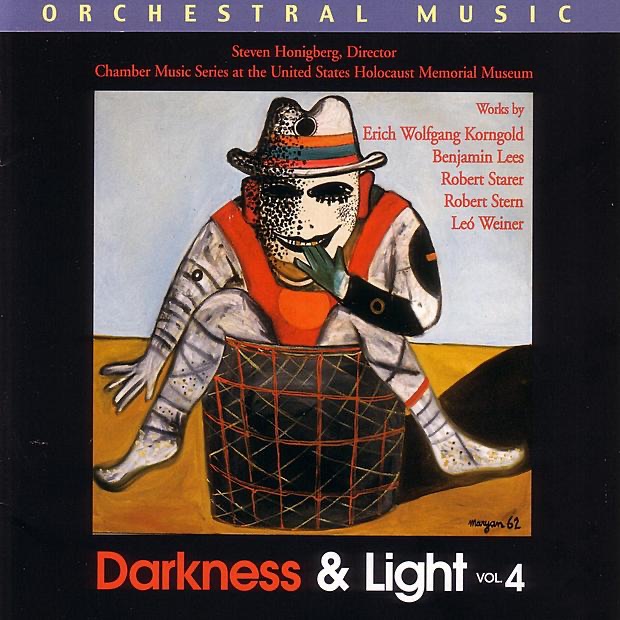 July 30, 2002
 -
 March 2, 1999
 -
 September 1, 1993
Chamber
-
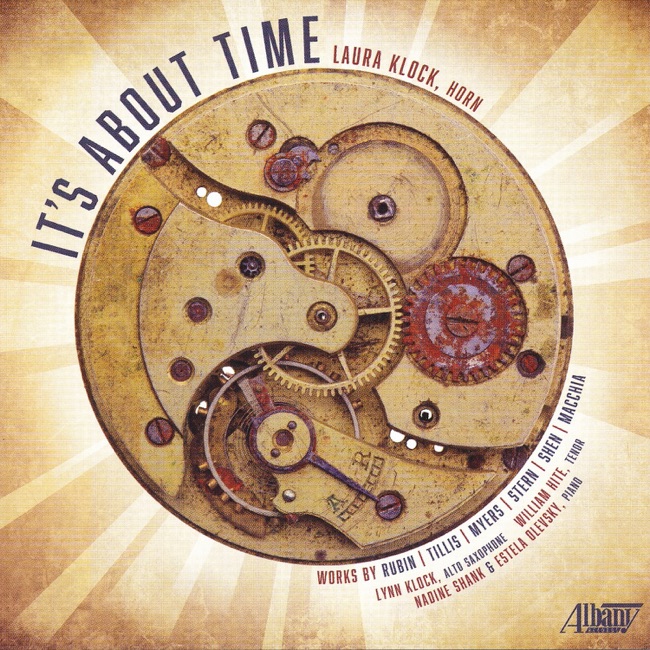 July 15, 2015
 -
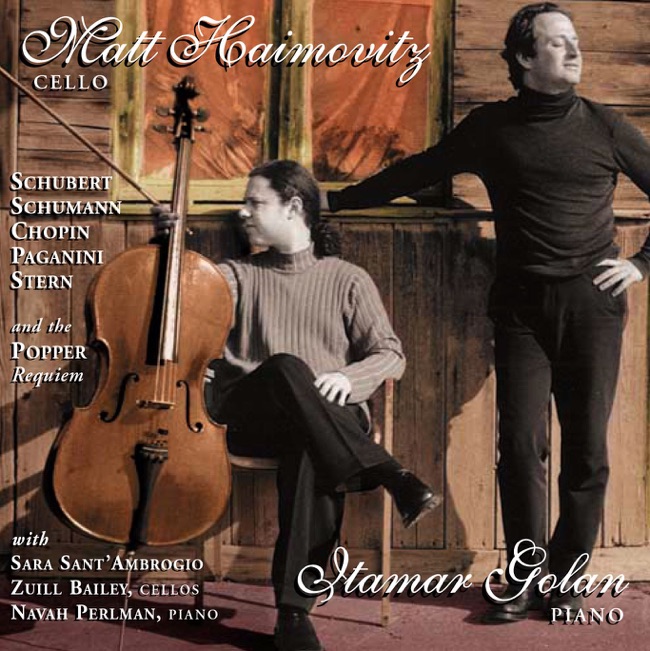 April 27, 2004
 -
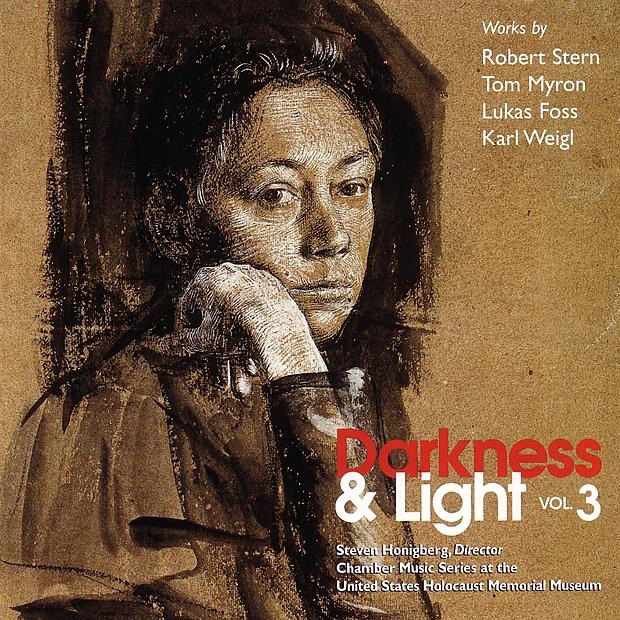 April 24, 2001
Choral
-
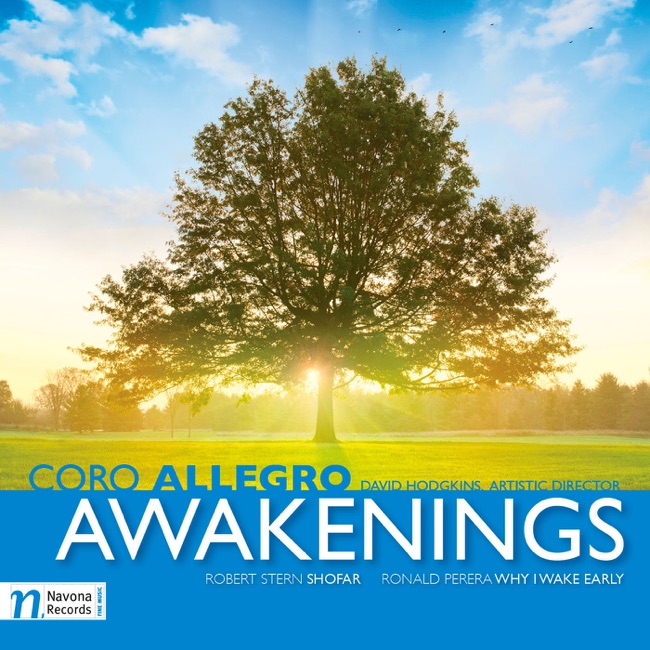 July 3, 2012
 -

Orchestral
-
 January 1, 1994
Artist Info
Role:ComposerBirth:1934Period:ContemporaryModernGenre:ChamberKeyboardOrchestralVocalRobert Stern was an American composer of classical music, born on October 16, 1934, in New York City. He grew up in a family of musicians, with his father being a violinist and his mother a pianist. Stern began playing the piano at a young age and showed a natural talent for music. He went on to study at the Juilliard School of Music, where he received a Bachelor of Music degree in 1956 and a Master of Music degree in 1957. After completing his studies, Stern began his career as a composer, writing music for various ensembles and orchestras. His early works were influenced by the neoclassical style of composers such as Stravinsky and Hindemith, but he soon developed his own unique voice. Stern's music is characterized by its lyrical melodies, intricate harmonies, and rhythmic complexity. One of Stern's early works, the String Quartet No. 1, was premiered in 1960 by the Juilliard String Quartet. The piece is a four-movement work that showcases Stern's skill at writing for the string quartet. The first movement is a lively and rhythmic allegro, while the second movement is a slow and introspective adagio. The third movement is a scherzo, with a playful and energetic character, and the final movement is a fast and virtuosic allegro. In the 1960s, Stern began to incorporate electronic music into his compositions. He was one of the first composers to use the Moog synthesizer, which allowed him to create new and innovative sounds. One of his most famous works from this period is the electronic piece, "Sonic Contours," which was premiered in 1967 at the New York Philharmonic's "Evenings for New Music" series. Throughout his career, Stern wrote music for a wide variety of ensembles and orchestras. He wrote several works for solo piano, including the "Piano Sonata No. 1," which was premiered by pianist Ruth Laredo in 1972. He also wrote several works for orchestra, including the "Symphony No. 1," which was premiered by the New York Philharmonic in 1974. In addition to his work as a composer, Stern was also a respected music educator. He taught at several universities, including the University of California, San Diego, and the University of Massachusetts, Amherst. He was also a visiting professor at the University of Michigan and the University of Iowa. Stern's later works were characterized by a more introspective and contemplative style. One of his most famous works from this period is the "String Quartet No. 5," which was premiered in 1995 by the Lark Quartet. The piece is a three-movement work that explores themes of loss and mourning. The first movement is a slow and mournful adagio, while the second movement is a fast and frenzied scherzo. The final movement is a slow and contemplative adagio, which brings the piece to a peaceful and reflective conclusion. Stern continued to write music until his death on November 18, 2013, at the age of 79. He left behind a legacy of innovative and expressive music that continues to be performed and admired by musicians and audiences around the world.More....
Recent Artist Music

8

3:16
Copyright Ⓒ 2013 Davinci Finger. All rights reseved
Service Terms & Policy