


Cornelis Dopper
Released Album
Symphony
-
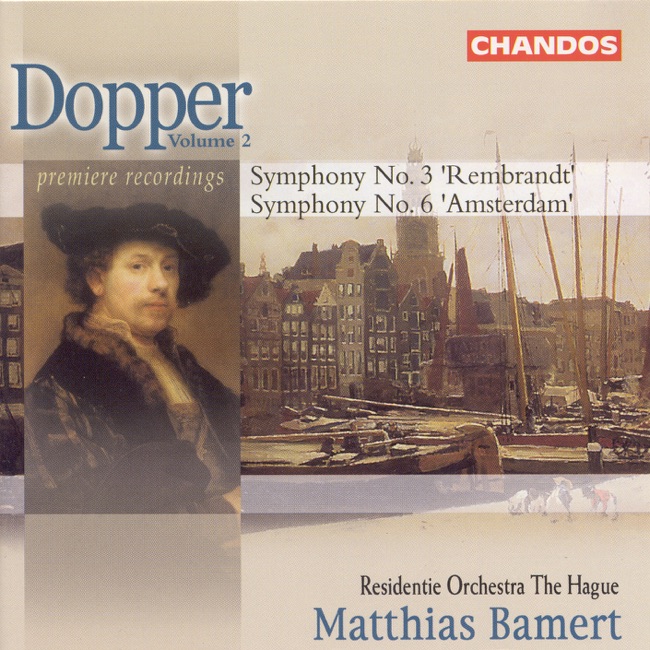 March 26, 2002
 -
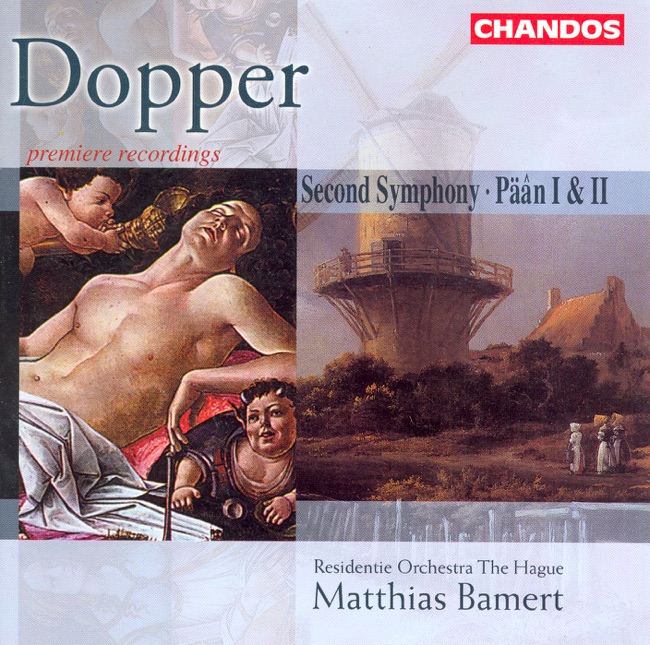 March 27, 2001
 -
Artist Info
Role:ComposerBirth:February 7, 1870 in Stadskanaal, The NetherlandsDeath:September 18, 1939 in Amsterdam, The NetherlandsPeriod:ModernGenre:OrchestralSymphonyCornelis Dopper was a Dutch composer, conductor, and violinist who lived from 7 February 1870 to 19 September 1939. He was born in Stadskanaal, a small town in the province of Groningen in the Netherlands. His father was a music teacher, and his mother was a singer. Dopper showed an early interest in music and began playing the violin at the age of six. He received his first music lessons from his father and later studied with the Dutch violinist and composer Henri Wilhelm Petri. In 1887, Dopper moved to Amsterdam to study at the Conservatory of Amsterdam. He studied violin with Carl Wilhelm Kiefert and composition with Bernard Zweers. After completing his studies, Dopper worked as a violinist in various orchestras, including the Concertgebouw Orchestra in Amsterdam. He also worked as a conductor, leading the orchestra of the Amsterdam Lyric Opera and the Utrecht Symphony Orchestra. Dopper's compositions were influenced by the Romantic tradition, but he also incorporated elements of Dutch folk music into his works. His early works include chamber music, such as his String Quartet No. 1 in D minor, Op. 5, and his Violin Sonata in A minor, Op. 6. He also wrote orchestral works, such as his Symphony No. 1 in C minor, Op. 7, which was premiered in 1902 by the Concertgebouw Orchestra. In 1907, Dopper was appointed conductor of the Haarlem Orchestral Society, a position he held until 1931. During his tenure, he conducted many premieres of Dutch and international works, including Gustav Mahler's Symphony No. 4 and Richard Strauss's Don Quixote. He also continued to compose, writing works such as his Symphony No. 2 in B-flat major, Op. 11, and his Symphony No. 3 in C major, Op. 21. Dopper's most famous work is his Ciaconna Gotica, Op. 27, which he composed in 1916. The work is a set of variations on a medieval theme and is scored for orchestra. It is considered one of the most important works in Dutch music history and is still performed regularly today. In addition to his work as a composer and conductor, Dopper was also a music educator. He taught at the Rotterdam Conservatory and the Amsterdam Conservatory, where his students included the Dutch composer and conductor Willem Pijper. Dopper's later years were marked by personal tragedy. His wife died in 1928, and his son was killed in a car accident in 1935. Dopper himself died in 1939 in Scheveningen, a seaside resort near The Hague. Despite his contributions to Dutch music, Dopper's works are not as well-known outside of the Netherlands. However, his music continues to be performed and recorded by Dutch orchestras and musicians, and his legacy as a composer, conductor, and educator lives on.More....
Recent Artist Music
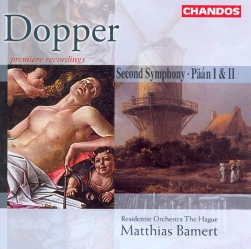
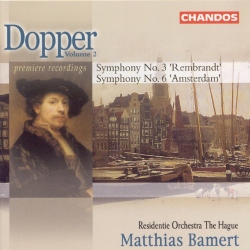
Copyright Ⓒ 2013 Davinci Finger. All rights reseved
Service Terms & Policy