


Geoffrey Toye
Artist Info
Role:Composer ConductorBirth:1889Death:1942Genre:BalletOrchestralGeoffrey Toye was a British composer and conductor who made significant contributions to the world of classical music during the early 20th century. Born on May 17, 1889, in London, Toye was the son of a successful businessman who had a passion for music. His father was a member of the Royal College of Organists, and he encouraged his son to pursue a career in music. Toye began his musical education at the age of six, studying piano and composition with his father. He later attended the Royal Academy of Music, where he studied under the tutelage of Frederick Corder and Frederick Bridge. During his time at the academy, Toye developed a keen interest in opera and musical theater, and he began to compose his own works in these genres. In 1911, Toye made his professional debut as a conductor, leading a performance of his own opera, "The Scarlet Lady," at the Shaftesbury Theatre in London. The opera was well-received by audiences and critics alike, and it marked the beginning of Toye's career as a composer and conductor. Over the next few years, Toye continued to compose and conduct operas and musicals, including "The Maid of the Mountains" (1917) and "The Rebel Maid" (1921). He also worked as a conductor for the D'Oyly Carte Opera Company, where he conducted performances of Gilbert and Sullivan operettas. In 1924, Toye was appointed the musical director of the Savoy Theatre in London, where he oversaw the production of several successful musicals, including "The Student Prince" (1924) and "The Desert Song" (1926). During this time, Toye also composed several works for the concert hall, including his "Rhapsody for Piano and Orchestra" (1925) and his "Concerto for Violin and Orchestra" (1927). In 1930, Toye was appointed the musical director of the Royal Opera House in Covent Garden, where he conducted performances of operas by Mozart, Verdi, and Wagner. He also continued to compose his own works, including his "Symphony in F" (1932) and his "Suite for Orchestra" (1934). During World War II, Toye served as a captain in the Royal Army Medical Corps, and he conducted performances for the troops in North Africa and Italy. After the war, he returned to his work as a composer and conductor, and he continued to produce works for the stage and the concert hall. One of Toye's most famous works is his "The Haunted Ballroom" (1948), a ballet that tells the story of a young couple who are transported back in time to a haunted ballroom. The ballet was a critical and commercial success, and it remains one of Toye's most popular works. Toye's other notable works include his "Concerto for Piano and Orchestra" (1950), his "Concerto for Cello and Orchestra" (1952), and his "Concerto for Harp and Orchestra" (1954). He also composed several works for the BBC, including his "Symphonic Suite" (1956) and his "Overture to a Comedy" (1958). Throughout his career, Toye was known for his ability to blend traditional classical music with popular music styles, such as jazz and musical theater. His works were often characterized by their lush orchestration, memorable melodies, and dramatic flair. Toye died on June 11, 1942, at the age of 53. Despite his relatively short career, he left behind a significant body of work that continues to be performed and admired by classical music enthusiasts around the world.More....
Recent Artist Music
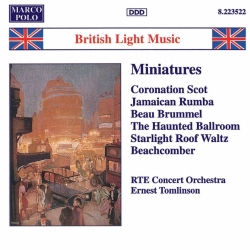
2
3:26
6
5:5
Copyright Ⓒ 2013 Davinci Finger. All rights reseved
Service Terms & Policy