


Toshiro Mayuzumi
Released Album
Chamber
-
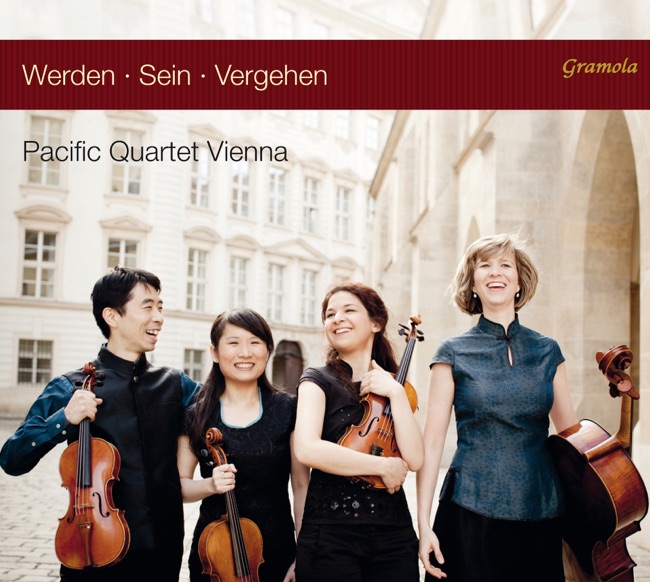 November 11, 2016
 -
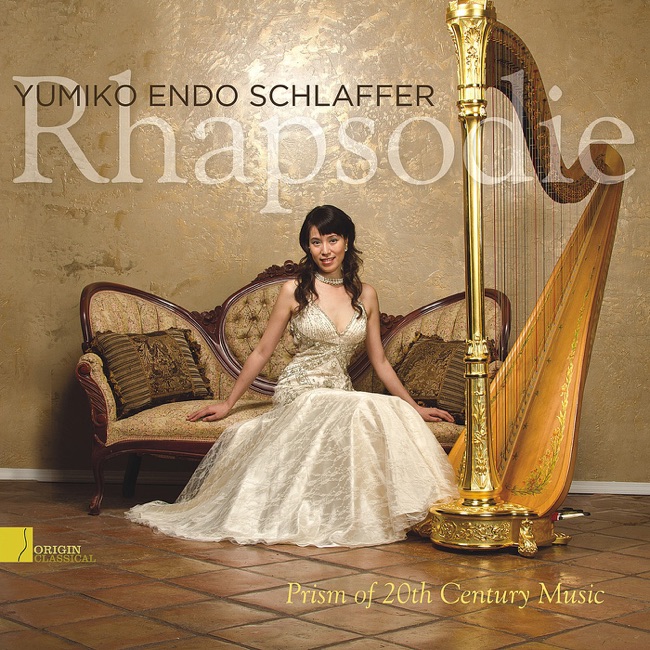 January 15, 2013
 -
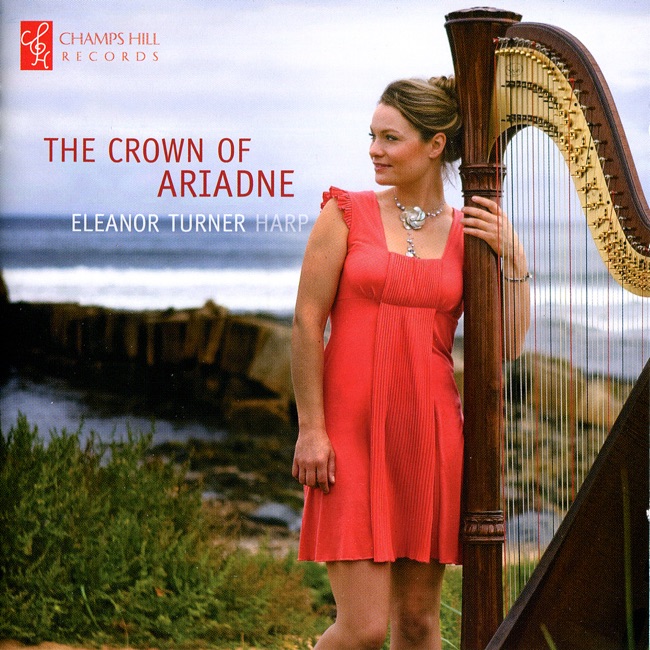 July 30, 2012
 -
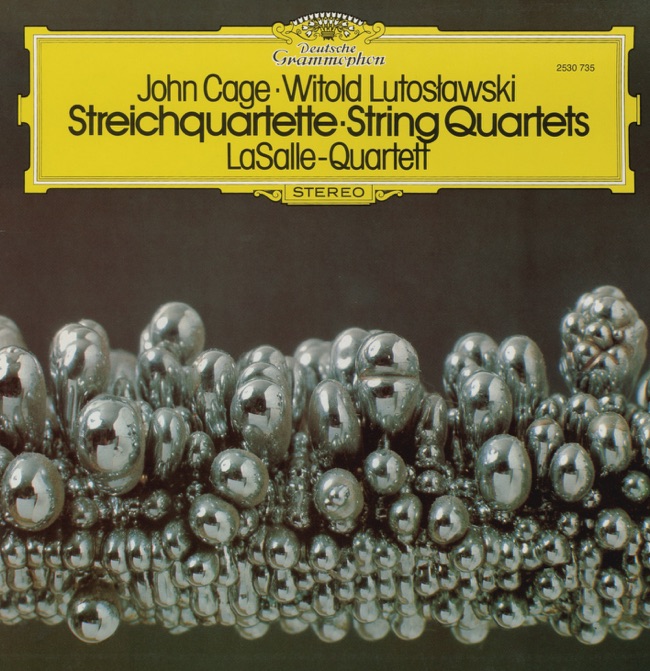 January 1, 2007
 -
 December 30, 2003
Concerto
Symphony
-
 March 26, 2021
 -
 September 1, 2014
Orchestral
-
-
 June 8, 2018
 -
Artist Info
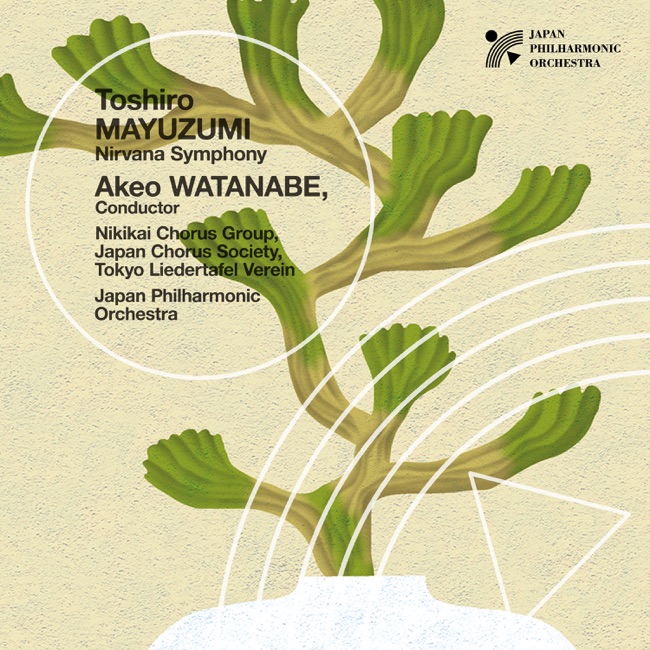
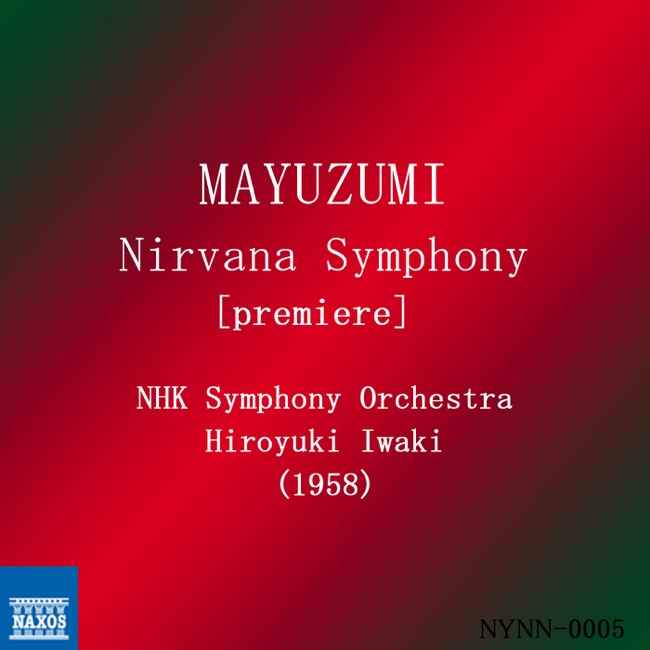
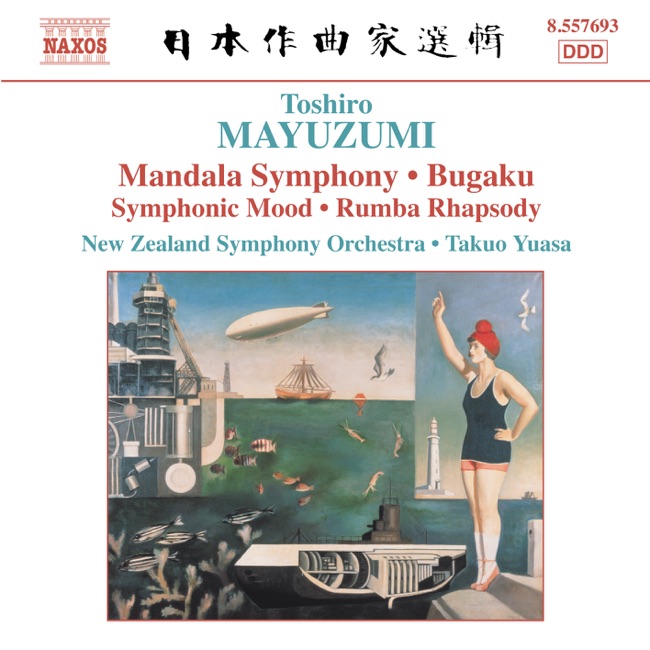
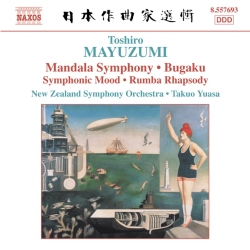
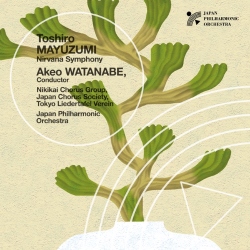
Role:ComposerCountry: JapanBirth:February 20, 1929 in Yokohama, JapanDeath:April 10, 1997 in Kawasaki, JapanPeriod:ContemporaryGenre:ChamberConcertoOrchestralSymphonyToshiro Mayuzumi was a Japanese composer who was born on February 20, 1929, in Yokohama, Japan. He was the son of a wealthy businessman and was exposed to music at a young age. Mayuzumi began studying the piano at the age of six and later took up the violin. He attended the Tokyo National University of Fine Arts and Music, where he studied composition under Tomojiro Ikenouchi. Mayuzumi's early works were influenced by Western classical music, particularly the works of Igor Stravinsky and Arnold Schoenberg. He also drew inspiration from traditional Japanese music and culture. In 1951, Mayuzumi won the Mainichi Music Prize for his composition "Sphenogramme," which was based on the Japanese koto. Mayuzumi's breakthrough work was his ballet "Bugaku," which premiered in 1953. The ballet was based on traditional Japanese court music and dance and was choreographed by George Balanchine. "Bugaku" was a critical and commercial success and established Mayuzumi as one of Japan's leading composers. Mayuzumi continued to compose music for ballets, operas, and films throughout his career. He also wrote orchestral works, chamber music, and vocal music. In 1960, he composed the music for the film "The Bible," which was directed by John Huston. Mayuzumi's score for the film was nominated for an Academy Award. Mayuzumi's music was characterized by its use of traditional Japanese instruments and scales, as well as its incorporation of Western classical music techniques. He was also known for his experimentation with electronic music and his use of aleatoric techniques, which allowed for chance elements in his compositions. One of Mayuzumi's most famous works is his "X, Y, Z Concerto," which was composed in 1960. The concerto was written for three percussionists and orchestra and was inspired by the music of jazz drummer Max Roach. The work features complex rhythms and improvisation, and is considered one of Mayuzumi's most innovative compositions. Mayuzumi's other notable works include his opera "Kinkakuji," which premiered in 1976, and his "Nirvana Symphony," which was composed in 1988. The symphony was based on the Buddhist concept of nirvana and featured a choir singing in Sanskrit. Mayuzumi was also a respected music educator and served as a professor at the Tokyo National University of Fine Arts and Music. He was a member of the Japan Art Academy and received numerous awards for his contributions to music, including the Order of Culture from the Japanese government. Mayuzumi died on April 10, 1997, at the age of 68. His legacy as one of Japan's most important composers continues to be celebrated today, and his music remains an important part of the country's cultural heritage.More....
Recent Artist Music
2
13:23




15
10:25
Copyright Ⓒ 2013 Davinci Finger. All rights reseved
Service Terms & Policy