


Rudy Vallée
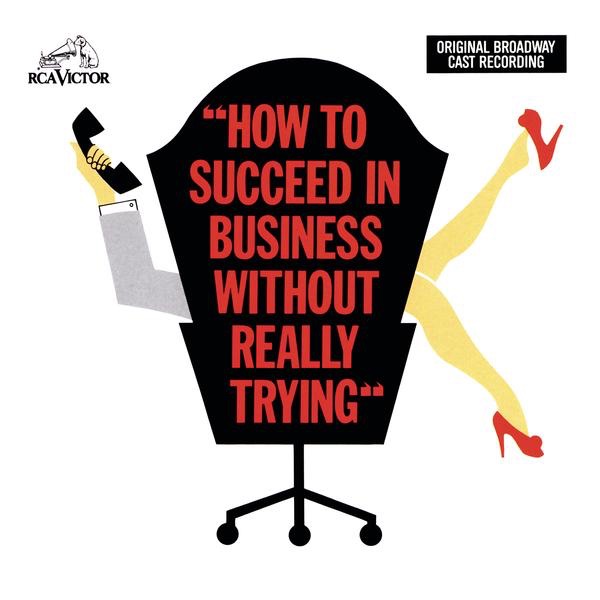
Released Album
Musical Theatre
Artist Info
Role:Composer PerformerCountry: United States of AmericaBirth:July 28, 1901 in Island Pond, VTDeath:July 3, 1986 in North Hollywood, CAGenre:OrchestralRudy Vallée was a prominent American singer, musician, and actor who rose to fame during the 1920s and 1930s. He was born Hubert Prior Vallée on July 28, 1901, in Island Pond, Vermont, to Charles and Catherine Vallée. His father was a pharmacist, and his mother was a pianist and singer. Vallée showed an early interest in music and began playing the saxophone at the age of 12. Vallée attended the University of Maine, where he studied architecture and played in the school band. He also formed his own band, which he called Rudy Vallée and the Maine Stein Songsters. The group gained popularity on campus and began performing at local events and dances. After graduating from college in 1924, Vallée moved to New York City to pursue a career in music. He landed a job as a saxophonist with the Paul Whiteman Orchestra, one of the most popular bands of the time. Vallée quickly became a featured performer with the group, and his distinctive tenor voice and boyish good looks made him a fan favorite. In 1928, Vallée left the Whiteman Orchestra to form his own band, which he called Rudy Vallée and His Connecticut Yankees. The group quickly became a sensation, and Vallée's popularity soared. He was one of the first musicians to use a microphone to amplify his voice, which allowed him to sing softly and intimately, creating a new style of crooning that would become popular in the years to come. Vallée's first major hit was the song "Deep Night," which he recorded in 1929. The song became a huge success, and Vallée's popularity continued to grow. He became a regular performer on radio shows and made his film debut in the 1930 movie "The Vagabond Lover." In 1931, Vallée had his biggest hit with the song "As Time Goes By." The song was written by Herman Hupfeld and would later become famous as the theme song for the movie "Casablanca." Vallée's version of the song sold over a million copies and cemented his status as one of the most popular singers of the era. Vallée continued to record hit songs throughout the 1930s, including "My Time Is Your Time," "I Love You Because," and "The Stein Song." He also appeared in several movies, including "The Palm Beach Story" and "The Bachelor and the Bobby-Soxer." In addition to his music and film career, Vallée was also a popular radio personality. He hosted his own radio show, "The Fleischmann's Yeast Hour," which aired from 1929 to 1939. The show featured Vallée's music and comedy sketches, and it was one of the most popular radio programs of the time. Vallée's popularity began to wane in the 1940s, as new styles of music, such as swing and bebop, began to emerge. He continued to perform and record music, but he never regained the level of success he had enjoyed in the 1920s and 1930s. Despite his declining popularity, Vallée remained a beloved figure in the world of music. He continued to perform and record music throughout the 1950s and 1960s, and he made occasional appearances on television shows and in movies. Vallée was also a philanthropist and a supporter of the arts. He established the Rudy Vallée Scholarship Fund, which provided financial assistance to young musicians and artists. He also donated money to various charities and organizations, including the American Cancer Society and the March of Dimes. Vallée received several honors and awards throughout his career. In 1961, he was inducted into the Songwriters Hall of Fame.More....
Recent Artist Music
Copyright Ⓒ 2013 Davinci Finger. All rights reseved
Service Terms & Policy