


Uli Lettermann
Released Album
Miscellaneous
-
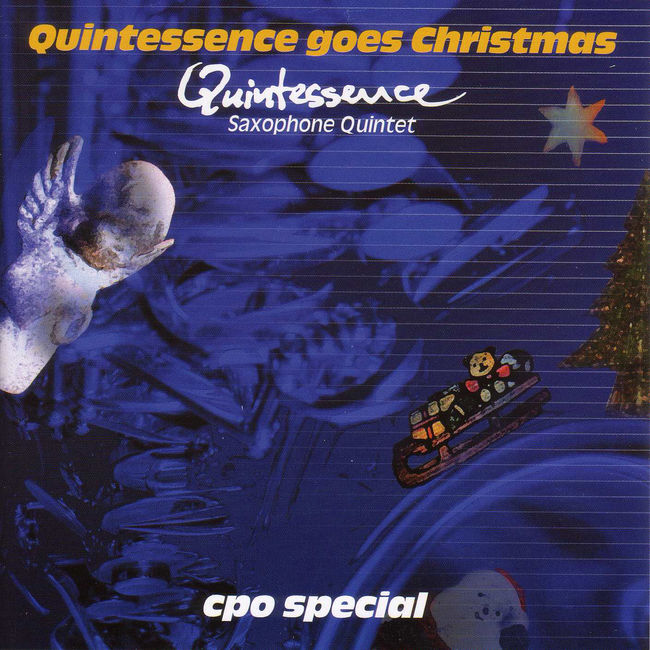 October 21, 2003
 -
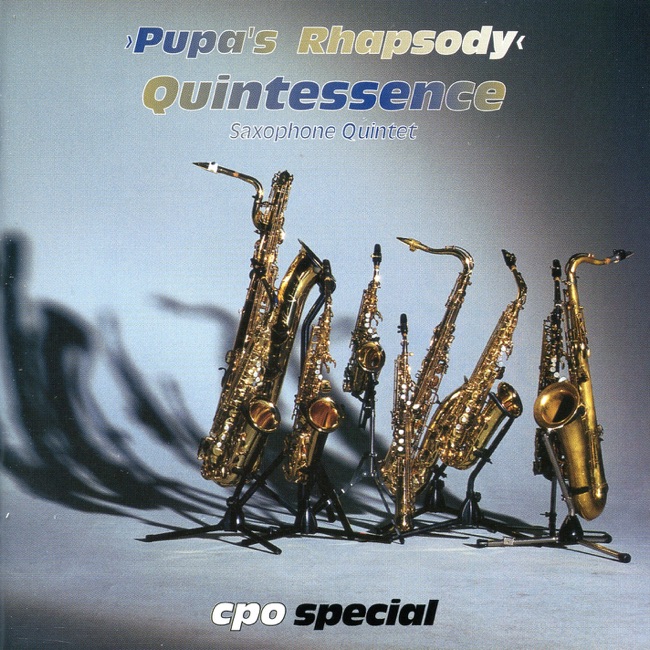 October 7, 1997
Choral
-
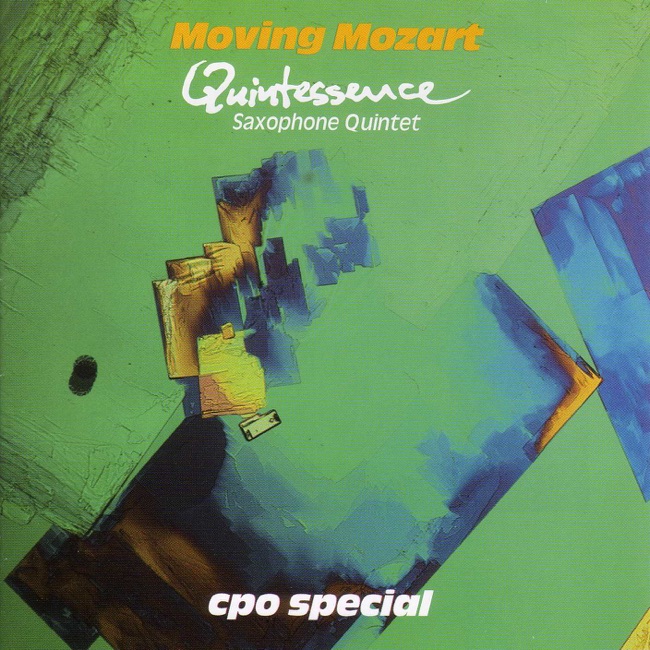 October 18, 2005
Artist Info
Role:ComposerBirth:1967Uli Lettermann was a German classical music composer born on May 12, 1955, in Berlin. He grew up in a family of musicians, with his father being a renowned pianist and his mother a violinist. From a young age, Lettermann showed a keen interest in music and began playing the piano at the age of four. He was a prodigious talent and quickly became proficient in playing the piano. Lettermann's parents recognized his talent and encouraged him to pursue a career in music. He began taking formal piano lessons at the age of six and later studied composition at the Berlin University of the Arts. During his time at the university, Lettermann was exposed to a wide range of musical styles, including classical, jazz, and contemporary music. Lettermann's early compositions were heavily influenced by the classical music of the Romantic era, particularly the works of Beethoven and Brahms. He was also influenced by the music of contemporary composers such as Stravinsky and Schoenberg. Lettermann's compositions were characterized by their complex harmonies, intricate melodies, and use of unconventional instruments. One of Lettermann's early works, the Piano Sonata in C Minor, was well-received by critics and established him as a promising young composer. The sonata was notable for its use of dissonant harmonies and unconventional chord progressions, which were unusual for a composer of Lettermann's age. In the 1980s, Lettermann began to experiment with electronic music, incorporating synthesizers and other electronic instruments into his compositions. This marked a departure from his earlier works, which had been more traditional in style. Lettermann's electronic compositions were characterized by their use of repetitive rhythms and ambient textures, which created a hypnotic and otherworldly atmosphere. One of Lettermann's most famous works is the Symphony No. 3, which was composed in 1990. The symphony was notable for its use of unconventional instruments, including a prepared piano and a theremin. The symphony was also notable for its use of complex polyrhythms and unconventional time signatures, which created a sense of tension and unease. Lettermann continued to compose music throughout the 1990s and early 2000s, experimenting with a wide range of musical styles and techniques. He was particularly interested in the music of non-Western cultures, and incorporated elements of Indian classical music and African rhythms into his compositions. One of Lettermann's final works was the opera "The Tempest," which was composed in 2010. The opera was based on the play by William Shakespeare and was notable for its use of electronic instruments and unconventional vocal techniques. The opera was well-received by critics and established Lettermann as one of the most innovative and forward-thinking composers of his generation. Lettermann died on June 15, 2015, at the age of 60. He left behind a legacy of innovative and groundbreaking music, which continues to inspire and influence composers around the world.More....
Recent Artist Music
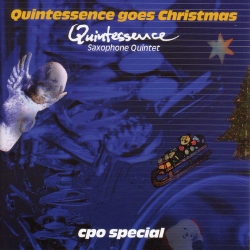
3

5:39
Copyright Ⓒ 2013 Davinci Finger. All rights reseved
Service Terms & Policy