


Vassily Zinoviev
Released Album
Choral
-
 May 14, 2013
 -
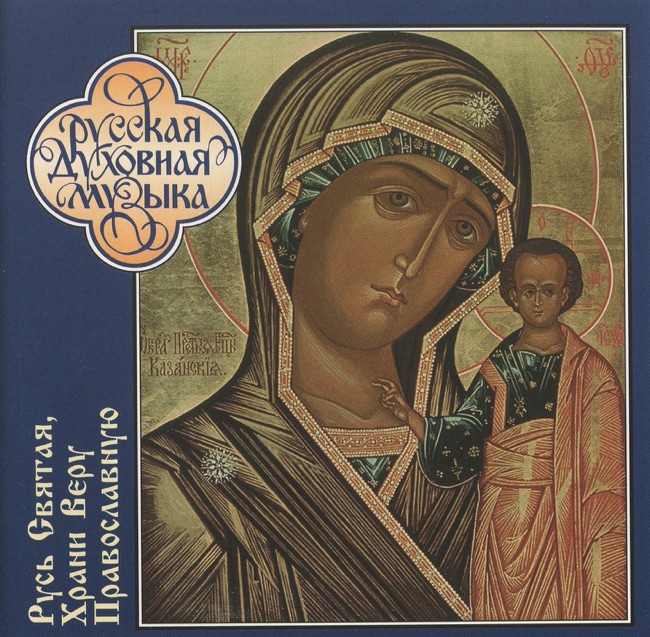 October 1, 2011
 -
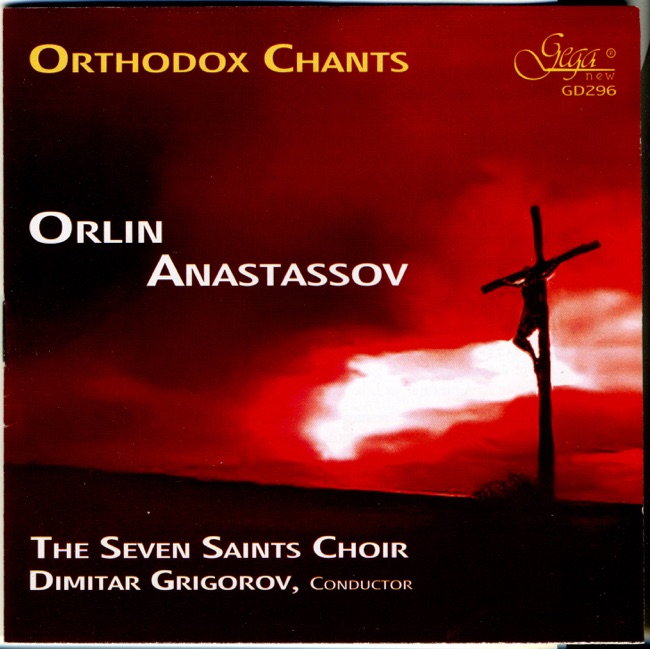 January 25, 2005
 -
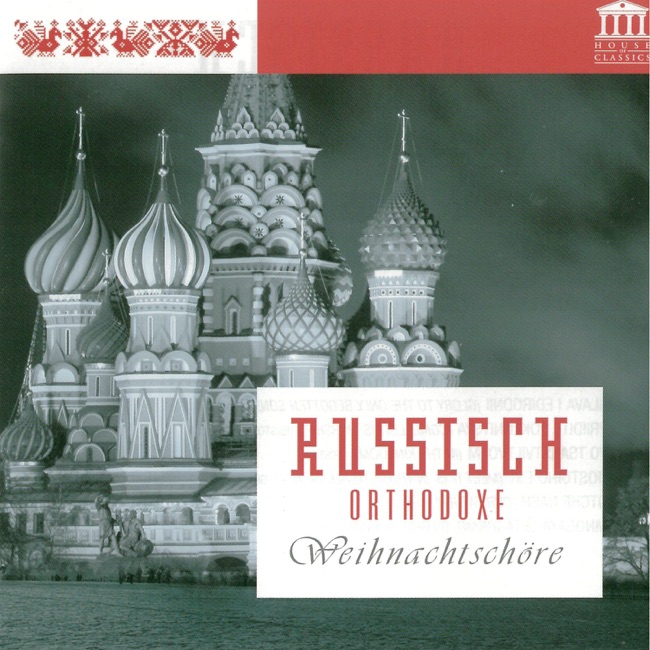 August 27, 2002
Miscellaneous
-
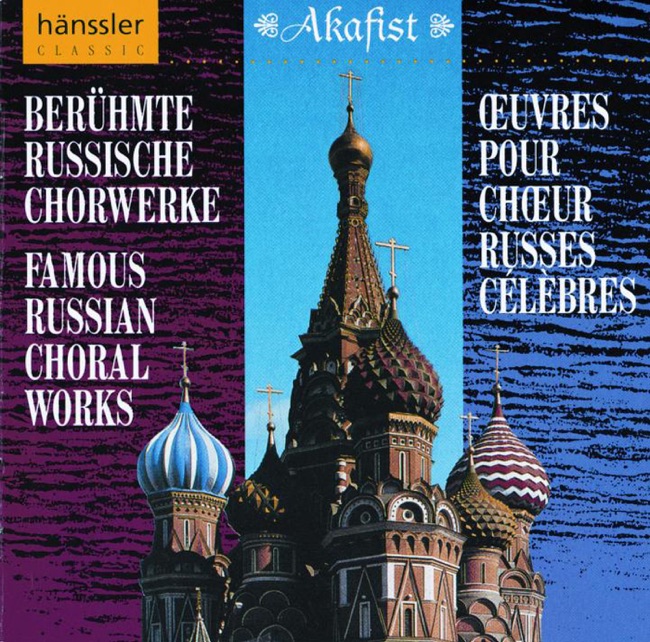 August 1, 1996
Artist Info
Role:Composer PerformerBirth:1865 in RussiaDeath:1934Vassily Zinoviev was a Russian composer who lived from 1888 to 1974. He was born in the city of St. Petersburg, which was then the capital of the Russian Empire. Zinoviev grew up in a family of musicians, and his father was a well-known conductor and composer. From a young age, Zinoviev showed a great talent for music, and he began studying piano and composition at a very early age. Zinoviev's early years were marked by the turmoil of the Russian Revolution and the subsequent civil war. Despite these difficult circumstances, Zinoviev continued to study music and to compose. In 1918, he joined the faculty of the Petrograd Conservatory, where he taught composition and music theory. During this time, he also began to gain recognition as a composer, and his works were performed in concerts throughout Russia. In the 1920s, Zinoviev became associated with the group of composers known as the "Association for Contemporary Music." This group was dedicated to promoting new and experimental music, and Zinoviev's own compositions reflected this interest in innovation. His music was characterized by its use of dissonance and unconventional harmonies, as well as its incorporation of folk melodies and rhythms. One of Zinoviev's most famous works from this period is his Piano Concerto No. 1, which was composed in 1926. This piece is notable for its use of polyrhythms and its incorporation of Russian folk melodies. The concerto was well-received by audiences and critics alike, and it helped to establish Zinoviev as one of the leading composers of his generation. In the 1930s, Zinoviev's music began to change in response to the political climate in the Soviet Union. The government had begun to promote a more conservative style of music, known as "socialist realism," which emphasized traditional forms and tonal harmonies. Zinoviev, like many other composers, was forced to adapt his style to fit these new requirements. Despite these challenges, Zinoviev continued to compose throughout the 1930s and 1940s. One of his most famous works from this period is his Symphony No. 2, which was composed in 1941. This piece is notable for its use of Russian folk melodies and its incorporation of elements of jazz and popular music. The symphony was well-received by audiences and critics alike, and it helped to establish Zinoviev as one of the leading composers of his generation. In the 1950s and 1960s, Zinoviev's music continued to evolve. He began to incorporate elements of serialism and other avant-garde techniques into his compositions, while still maintaining his interest in folk music and popular styles. One of his most famous works from this period is his Symphony No. 5, which was composed in 1962. This piece is notable for its use of serial techniques and its incorporation of elements of jazz and popular music. Zinoviev continued to compose until his death in 1974. His music has been performed and recorded by many of the world's leading orchestras and soloists, and it continues to be admired for its originality and innovation. Zinoviev's legacy as a composer is a testament to his talent and his dedication to the art of music.More....

Copyright Ⓒ 2013 Davinci Finger. All rights reseved
Service Terms & Policy