


William Crotch
Released Album
Choral
-
 September 16, 2022
 -
 September 9, 2016
 -
-
 August 10, 2010
 -
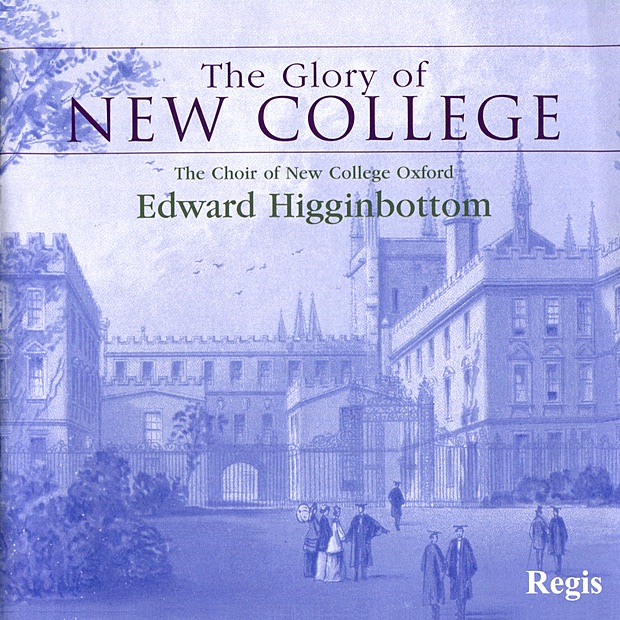 March 30, 2010
 -
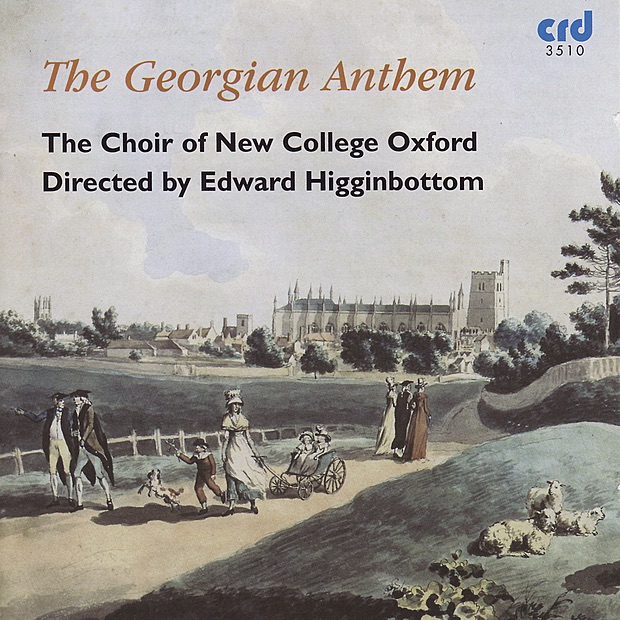 May 8, 2007
Artist Info
Role:ComposerCountry: United KingdomBirth:July 5, 1775 in Norwich, EnglandDeath:December 29, 1847 in Taunton, Somerset, EnglandPeriod:ClassicalGenre:ChoralWilliam Crotch was a prominent English composer, organist, and music educator of the late 18th and early 19th centuries. He was born on July 5, 1775, in Norwich, England, to a family of musicians. His father, William Crotch Sr., was a music teacher and organist, and his mother, Hannah, was a singer and pianist. From an early age, Crotch showed a remarkable talent for music, and his parents encouraged him to pursue a career in music. Crotch received his early musical education from his father, who taught him to play the organ, harpsichord, and violin. He also received instruction in composition and music theory from his father and other local musicians. At the age of seven, Crotch made his public debut as an organist, playing at a local church in Norwich. His performance was well-received, and he soon became known as a prodigy. In 1785, Crotch was sent to London to study music with the renowned composer and organist, Thomas Attwood. Attwood was impressed with Crotch's talent and took him under his wing, providing him with further instruction in composition, music theory, and performance. Crotch also studied with other prominent musicians of the time, including Johann Christian Bach, son of the famous composer Johann Sebastian Bach. Crotch's early compositions were influenced by the classical style of Mozart and Haydn, but he soon developed his own unique style. His first major work, a cantata entitled "The Captivity of Judah," was performed at the Norwich Music Festival in 1790 and received critical acclaim. This success led to further commissions, and Crotch began to establish himself as a composer of note. In 1793, Crotch was appointed organist at Christ Church, Oxford, a prestigious position that he held for the rest of his life. He also became a professor of music at the university, where he taught composition, music theory, and performance. Crotch was a popular and respected teacher, and his students included many future composers and musicians. Crotch's most famous work is his oratorio, "Palestine," which was first performed in 1800. The work is a setting of a libretto by the poet and playwright Richard Cumberland and tells the story of the Israelites' journey to the Promised Land. The oratorio was a great success and was performed many times during Crotch's lifetime. It is still occasionally performed today. Crotch also composed a number of other works, including symphonies, concertos, chamber music, and songs. His music is characterized by its lyricism, elegance, and clarity of form. He was particularly skilled at writing for the voice, and his vocal music is noted for its expressive melodies and sensitive treatment of the text. In addition to his work as a composer and teacher, Crotch was also a respected musicologist and wrote several books on music theory and history. His most important work in this area is his "Elements of Musical Composition," which was first published in 1800 and went through several editions. The book was widely used as a textbook in music schools and universities and is still considered an important work in the field of music theory. Crotch was also involved in the founding of the Royal Academy of Music in London, which was established in 1822 to provide advanced training for young musicians. He served as one of the academy's first professors and was instrumental in shaping its curriculum and philosophy. Crotch died on December 29, 1847, at the age of 72.More....
Recent Artist Music
Copyright Ⓒ 2013 Davinci Finger. All rights reseved
Service Terms & Policy