


Christoph Bernhard
Released Album
Vocal
-
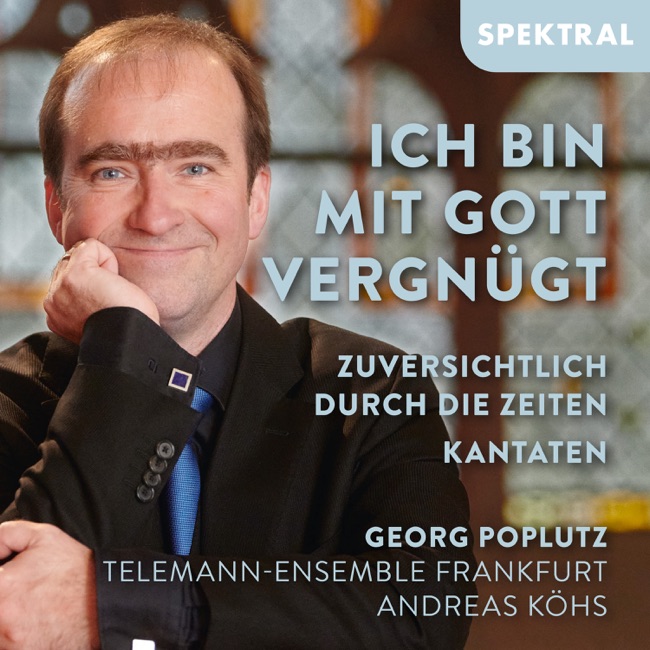 July 1, 2022
 -
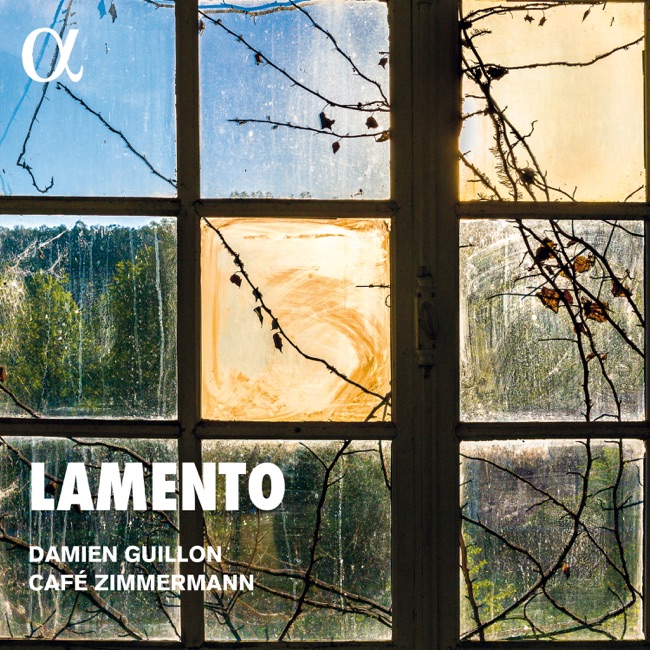 September 11, 2020
 -
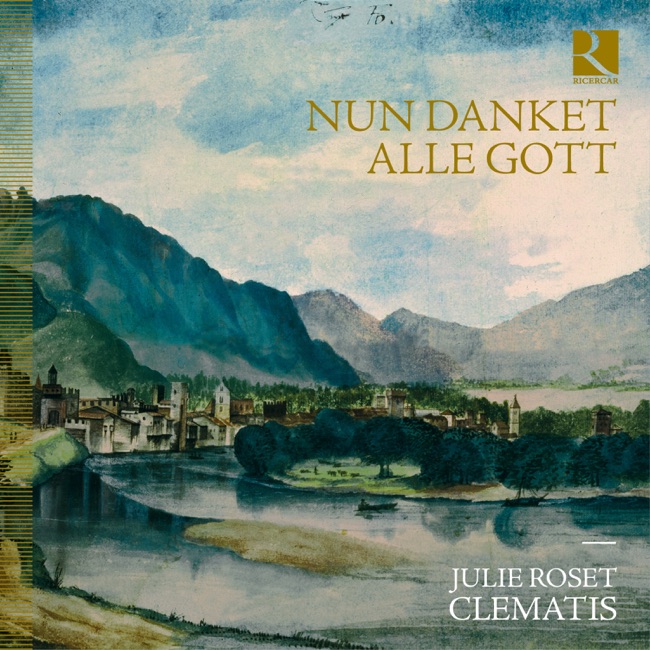 April 24, 2020
 -
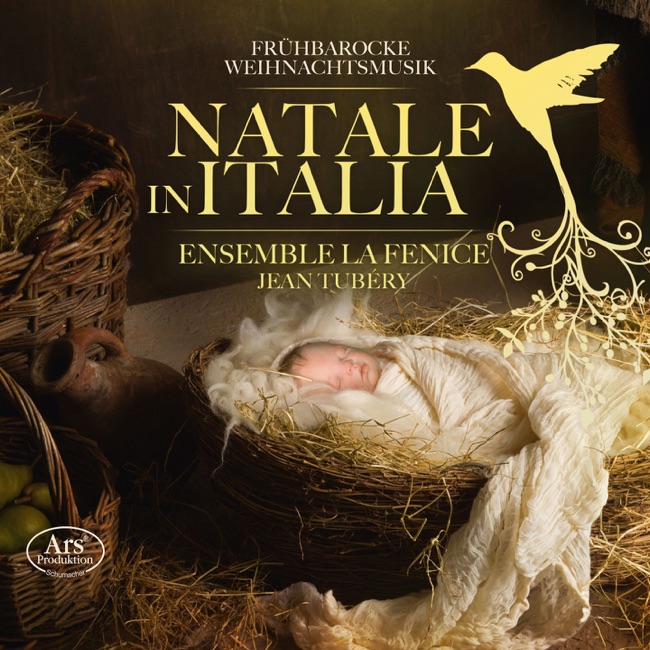 October 30, 2015
 -
 July 10, 2015
 -
 May 11, 2010
Choral
-
 March 12, 2021
 -
 November 19, 2013
 -
 January 1, 2011
 -
 November 16, 2010
 -
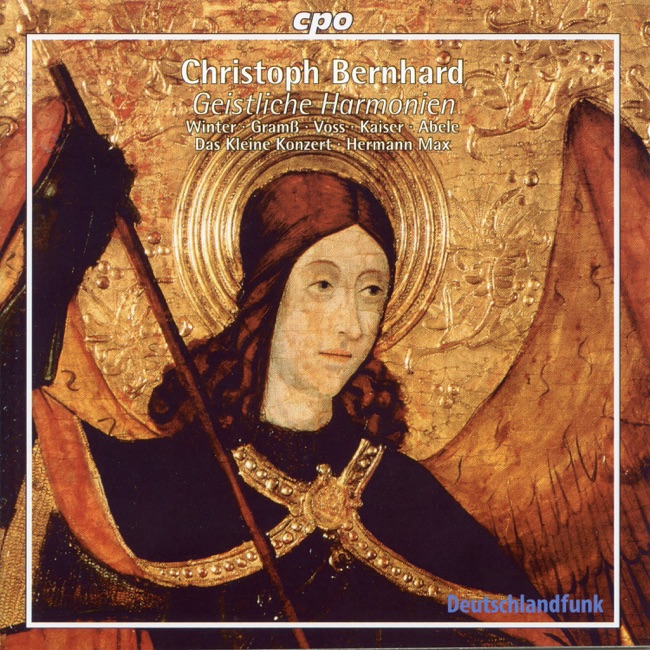 October 18, 2005
 -
 January 1, 2002
Artist Info
Role:ComposerCountry: GermanyBirth:January 1, 1628 in Kolberg, PomeraniaDeath:November 14, 1692 in Dresden, GermanyPeriod:BaroqueGenre:ChoralVocalChristoph Bernhard was a German composer and musician who lived during the Baroque period. He was born on January 1, 1628, in Kolberg, Pomerania, which is now known as Kołobrzeg, Poland. Bernhard was the son of a Lutheran pastor, and he grew up in a musical family. His father was a skilled musician who taught him how to play the organ and the violin. Bernhard began his musical education at a young age, and he quickly showed a talent for composition. He studied music at the University of Rostock, where he learned from some of the most prominent musicians of the time. After completing his studies, Bernhard worked as a musician in various cities throughout Germany, including Hamburg, Lübeck, and Dresden. One of the highlights of Bernhard's career was his time as the Kapellmeister at the court of Duke Augustus the Younger in Weissenfels. He held this position from 1655 until 1664, and during this time, he composed some of his most famous works. Bernhard was known for his innovative approach to music, and he was one of the first composers to use the Italian style in his compositions. Bernhard's music was characterized by its complexity and its use of counterpoint. He was a master of the fugue, and many of his works feature intricate and elaborate fugues. Bernhard was also known for his use of chromaticism, which was a relatively new technique at the time. His music was often compared to that of Johann Sebastian Bach, who was one of his contemporaries. Some of Bernhard's most famous works include his sacred vocal music, which includes cantatas, motets, and oratorios. One of his most famous works is his oratorio "Das Blut Jesu Christi," which was composed in 1662. This work is notable for its use of chromaticism and its complex fugues. Another famous work is his cantata "Jubilate Deo," which was composed in 1664. This work is known for its joyful and celebratory tone, and it is often performed during religious services. In addition to his sacred vocal music, Bernhard also composed instrumental music. He wrote several sonatas for various instruments, including the violin, the viola da gamba, and the harpsichord. One of his most famous instrumental works is his Sonata a 6 in D major, which was composed in 1664. This work is notable for its use of counterpoint and its complex harmonies. Despite his success as a composer, Bernhard's life was not without its challenges. He suffered from poor health throughout his life, and he was often forced to take breaks from his work due to his illness. In addition, he faced financial difficulties throughout his career, and he was often forced to rely on the patronage of wealthy individuals in order to support himself. Despite these challenges, Bernhard continued to compose music throughout his life. He died on June 29, 1692, in Dresden, Germany, at the age of 64. Today, he is remembered as one of the most innovative and influential composers of the Baroque period. His music continues to be performed and studied by musicians and music scholars around the world.More....
Recent Artist Music
1
5:49

15
Why are you grieving, my soul
Was betrübst du dich, meine Seele, concerto for alto voice, viola da gamba & continuo
4:33
Copyright Ⓒ 2013 Davinci Finger. All rights reseved
Service Terms & Policy