


Dean Dixon
Released Album
Concerto
-
 March 27, 2023
 -

-
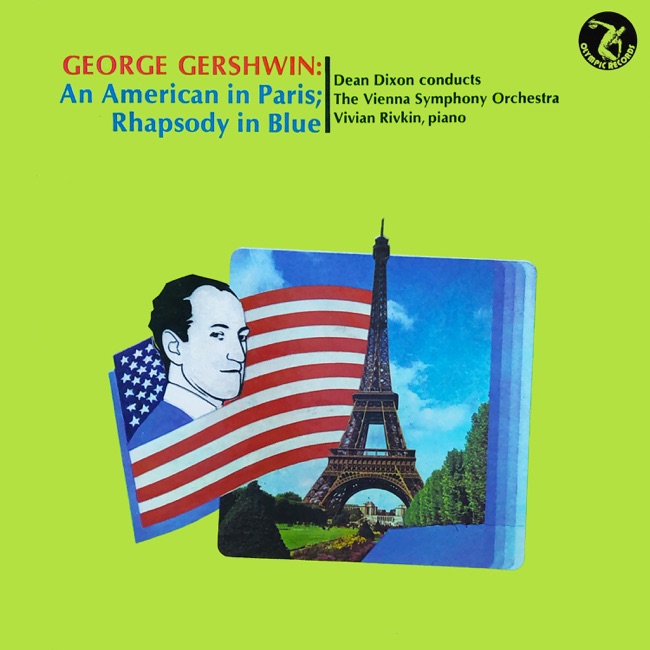 July 29, 1974
Symphony
-
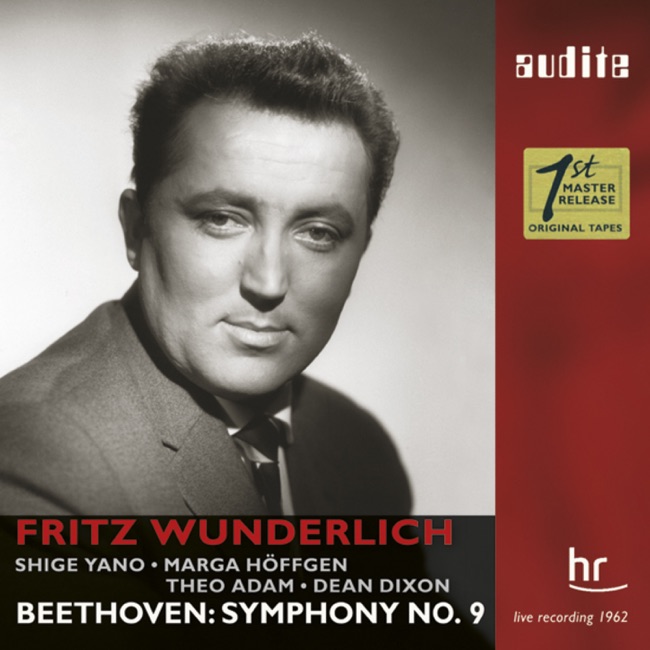 June 4, 2012
Artist Info
Role:ConductorDean Dixon was a prominent conductor in the classical music world, known for his exceptional talent and groundbreaking achievements. Born on January 10, 1915, in Harlem, New York, Dixon was the son of West Indian immigrants. His father was a tailor, and his mother was a homemaker. Dixon showed an early interest in music, and his parents encouraged him to pursue his passion. Dixon began his musical education at the age of seven, studying the violin with his uncle. He later switched to the trumpet and began playing in local bands. In 1931, he enrolled at the Juilliard School of Music, where he studied conducting with Albert Stoessel. Dixon was the first black student to attend Juilliard's conducting program, and he faced discrimination and prejudice from some of his classmates and teachers. Despite the challenges he faced, Dixon persevered and graduated from Juilliard in 1934. He then began his career as a conductor, working with various orchestras and opera companies. In 1936, he became the first black conductor to lead a major American orchestra when he conducted the NBC Symphony Orchestra in a performance of his own composition, "The Nativity." Dixon's talent and dedication soon earned him a reputation as one of the most promising young conductors in the country. In 1941, he was appointed the conductor of the Women's Symphony Orchestra of New York, becoming the first black conductor of a major American orchestra. He also conducted the New York Philharmonic and the NBC Symphony Orchestra, among others. In 1949, Dixon made history when he became the first black conductor to lead a symphony orchestra in Europe. He was invited to conduct the Gothenburg Symphony Orchestra in Sweden, and his performance was met with critical acclaim. Dixon went on to conduct many other European orchestras, including the Berlin Philharmonic and the Vienna Symphony Orchestra. Throughout his career, Dixon was a champion of contemporary music and often conducted premieres of new works. He also worked to promote the music of black composers, including William Grant Still and Florence Price. In 1953, he founded the American Negro Symphony Orchestra, which was dedicated to performing the works of black composers. Dixon's career was not without its challenges, however. He faced discrimination and racism throughout his life, both in the United States and abroad. In 1950, he was denied a visa to conduct the London Philharmonic Orchestra because of his race. He also faced criticism from some members of the black community, who felt that he should focus more on promoting black music and musicians. Despite these challenges, Dixon continued to make groundbreaking achievements in the classical music world. In 1970, he became the first black conductor to lead the New York Philharmonic in a subscription concert. He also conducted the Israel Philharmonic Orchestra and the Moscow Philharmonic Orchestra, among others. Dixon's contributions to classical music were recognized with numerous awards and honors. In 1961, he was awarded the Order of the Lion of Finland for his contributions to Finnish music. He also received the National Association for the Advancement of Colored People's Spingarn Medal in 1970 and was inducted into the Black Filmmakers Hall of Fame in 1976. Dean Dixon passed away on November 3, 1976, at the age of 61. His legacy as a pioneering conductor and champion of contemporary music continues to inspire musicians and music lovers around the world.More....
Recent Artist Music
3
15:30
4

9:43


Copyright Ⓒ 2013 Davinci Finger. All rights reseved
Service Terms & Policy