


Robert Lehman
Released Album
Choral
-
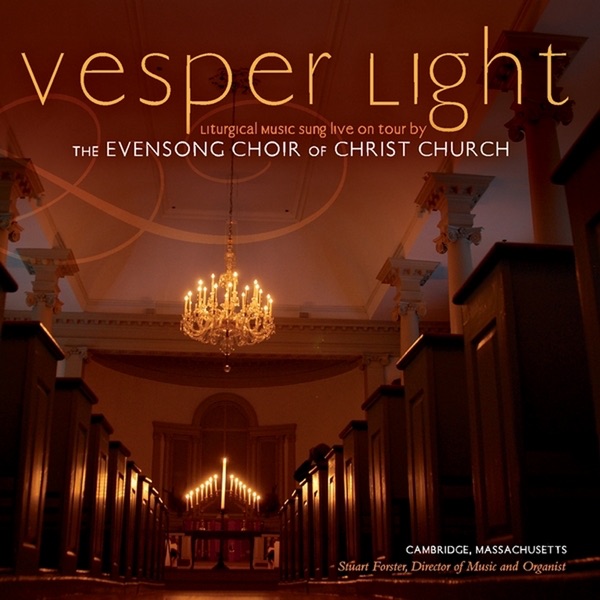 October 18, 2010
Keyboard
-
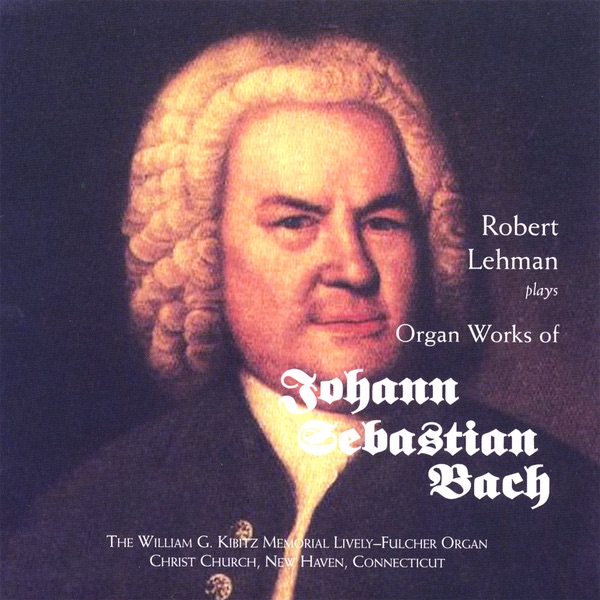 July 10, 2007
Artist Info
Role:ComposerPeriod:RenaissanceContemporaryModernGenre:ChoralVocalRobert Lehman was a renowned classical music composer who was born on May 12, 1928, in New York City. He was the son of a wealthy businessman and philanthropist, Philip Lehman, who was a partner in the investment banking firm Lehman Brothers. Robert Lehman grew up in a privileged environment, surrounded by art and music, and he developed a passion for classical music at an early age. Lehman began his musical education at the age of six, studying piano with the renowned teacher Rosalyn Tureck. He later studied composition with the composer and conductor Leonard Bernstein, who was a family friend. Lehman attended Harvard University, where he studied music theory and composition with Walter Piston and Randall Thompson. He graduated with a Bachelor of Arts degree in 1950 and went on to study at the Juilliard School of Music in New York City. Lehman's early compositions were influenced by the neoclassical style of Stravinsky and the serialism of Schoenberg. His first major work was a piano concerto, which he composed while still a student at Juilliard. The concerto was premiered by the New York Philharmonic in 1953, with Lehman himself as the soloist. The piece was well-received by critics and established Lehman as a promising young composer. In the 1950s and 1960s, Lehman continued to compose works in a variety of genres, including orchestral music, chamber music, and vocal music. His compositions were characterized by their clarity of form, rhythmic vitality, and harmonic complexity. He was particularly interested in exploring the possibilities of electronic music, and he composed several works for tape and live performers. One of Lehman's most significant works from this period was his Symphony No. 1, which he composed in 1960. The symphony was commissioned by the Boston Symphony Orchestra and was premiered under the direction of Charles Munch. The piece was praised for its inventive use of orchestration and its powerful emotional impact. In the 1970s, Lehman's music became more experimental and avant-garde. He began to incorporate elements of aleatoric music and chance operations into his compositions, as well as exploring the possibilities of microtonal tuning systems. He also became interested in the music of non-Western cultures, particularly the music of India and Japan. One of Lehman's most significant works from this period was his String Quartet No. 3, which he composed in 1975. The piece was commissioned by the Juilliard String Quartet and was premiered at the Library of Congress in Washington, D.C. The quartet was praised for its innovative use of microtonal tuning and its complex rhythmic structures. In the 1980s and 1990s, Lehman's music became more introspective and reflective. He began to incorporate elements of minimalism and postmodernism into his compositions, as well as exploring the possibilities of computer-generated music. He also became interested in the music of the Renaissance and Baroque periods, and he composed several works that were inspired by these styles. One of Lehman's most significant works from this period was his Piano Sonata No. 2, which he composed in 1987. The sonata was premiered by the pianist Ursula Oppens and was praised for its lyrical beauty and its subtle use of minimalist techniques. Lehman continued to compose music until his death in 1994.More....
Recent Artist Music
Copyright Ⓒ 2013 Davinci Finger. All rights reseved
Service Terms & Policy