


Vladimir Martynov
Released Album
Chamber
-
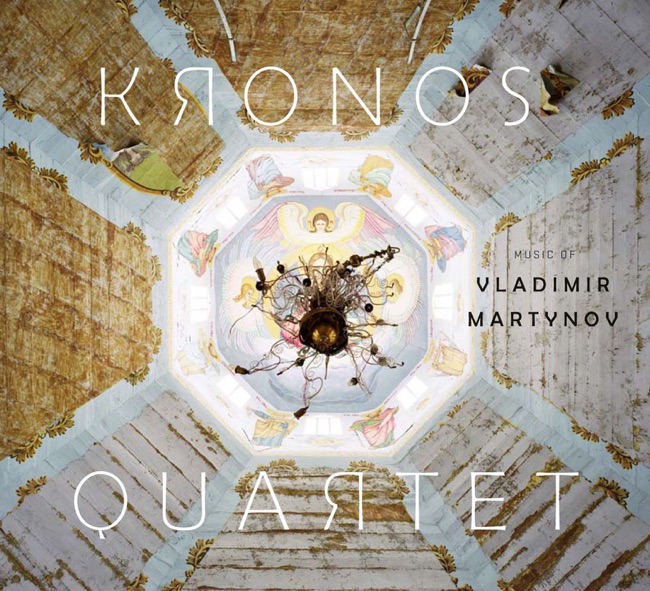 January 10, 2012
Concerto
-
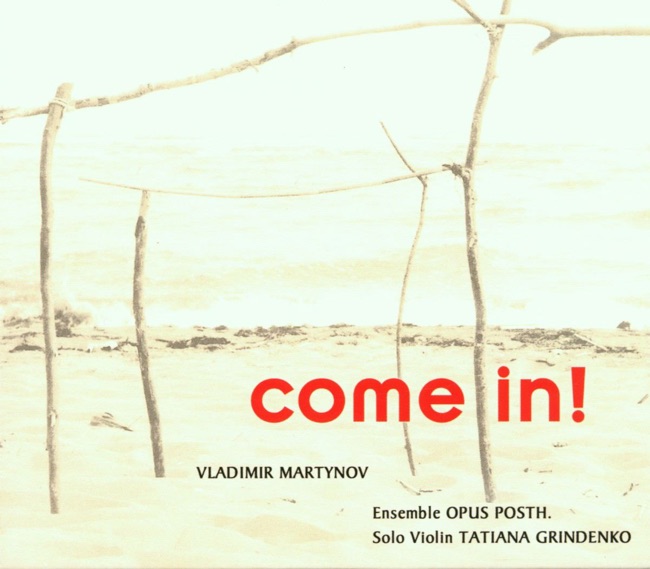 July 24, 2001
 -
 October 10, 2000
 -
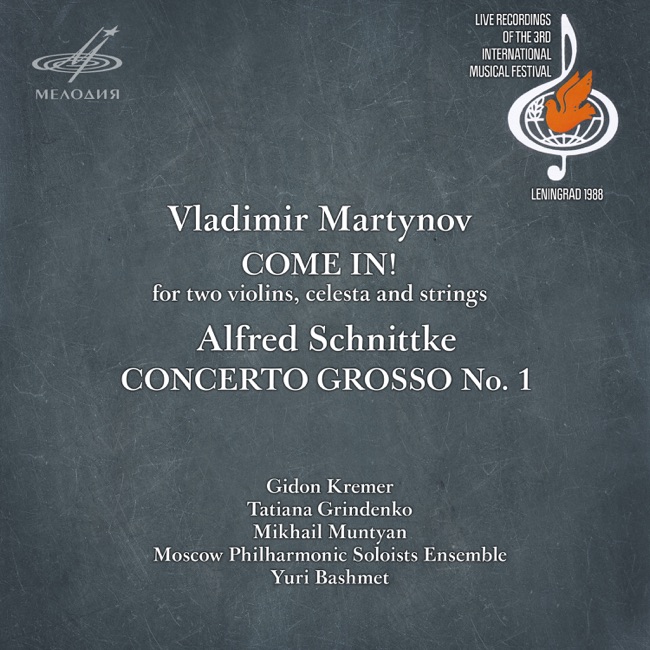
Choral
-
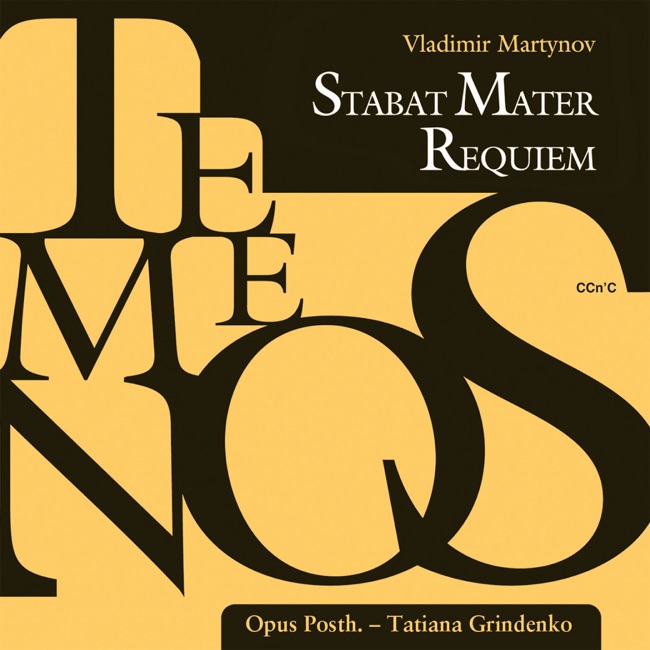 June 4, 2010
 -
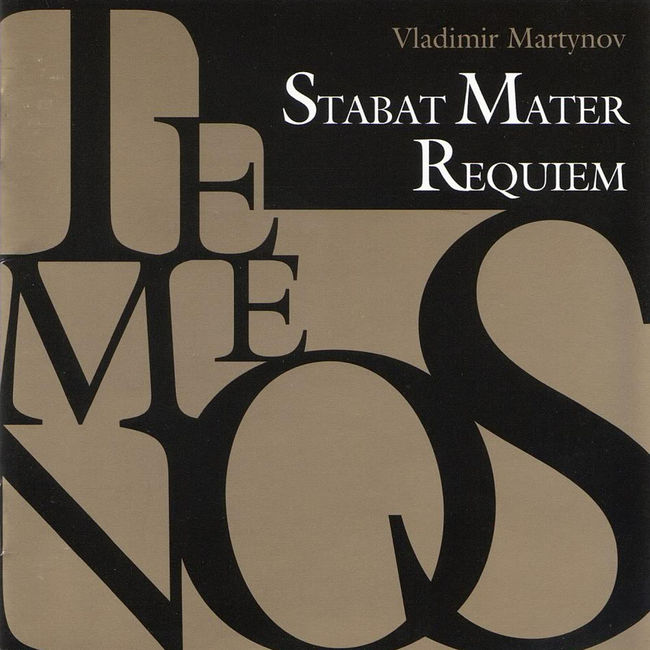 September 9, 2008
 -
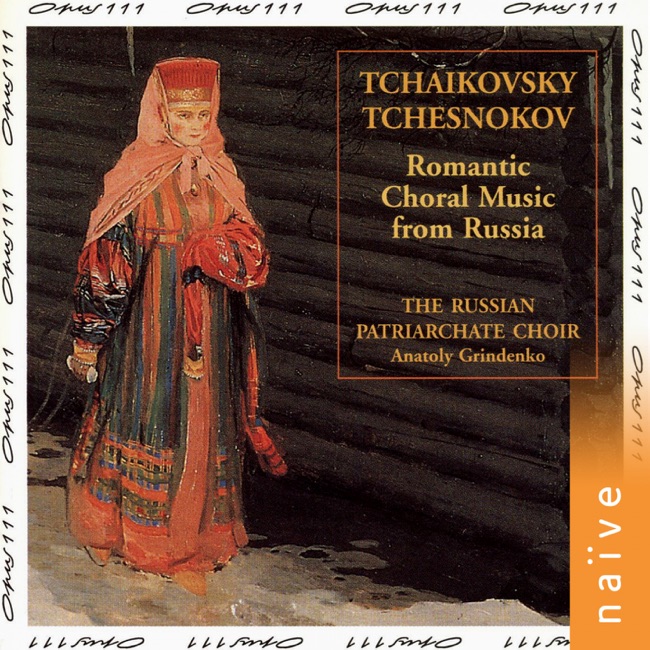 December 15, 1994
Symphony
-
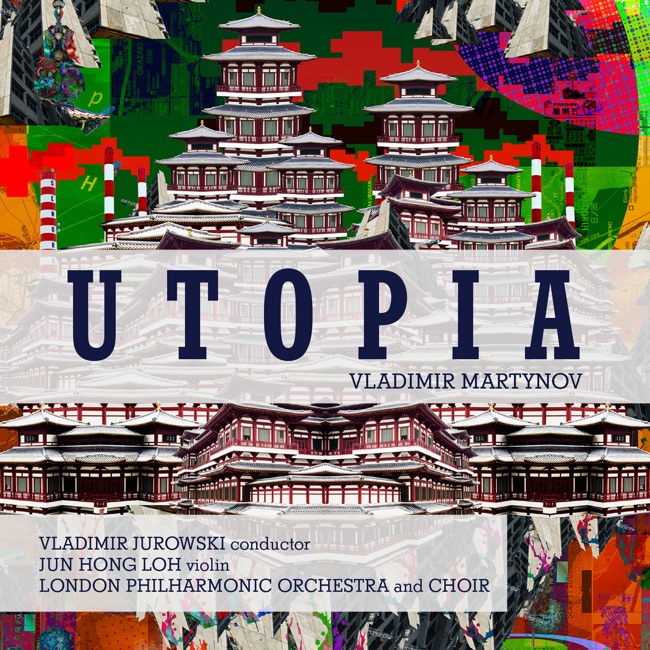 November 13, 2020
Artist Info
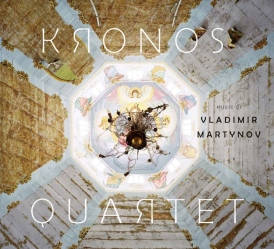
Role:Composer PerformerCountry: RussiaBirth:February 20, 1946 in Moscow, RussiaPeriod:ContemporaryModernGenre:ChamberChoralConcertoOrchestralVladimir Martynov is a Russian composer who was born on February 20, 1946, in Moscow. He grew up in a family of musicians, and his father was a composer and conductor. Martynov began studying music at a young age and showed a talent for composition early on. He attended the Moscow Conservatory, where he studied composition with Nikolai Sidelnikov and piano with Yakov Flier. Martynov's early works were influenced by the avant-garde music of the 1960s and 1970s, and he was associated with the Moscow-based Experimental Studio of Electronic Music. However, he soon became dissatisfied with the limitations of electronic music and began to explore other forms of composition. In the 1980s, Martynov began to develop a unique style that combined elements of minimalism, Russian Orthodox chant, and medieval polyphony. His music was characterized by its use of repetitive patterns, slow tempos, and rich harmonies. He also began to incorporate elements of spirituality and mysticism into his work. One of Martynov's most famous works is his "Opus Posthumum," which was composed in 1984. The piece is a tribute to the composer Johann Sebastian Bach and is based on the opening chorus of Bach's "St. Matthew Passion." Martynov's version of the piece is scored for string quartet and features a slow, meditative tempo and rich harmonies. Another notable work by Martynov is his "The Beatitudes," which was composed in 1997. The piece is based on the Sermon on the Mount and is scored for choir and string quartet. The music is characterized by its use of repetitive patterns and slow, meditative tempos. Martynov's music has been performed by many leading orchestras and ensembles around the world, including the Kronos Quartet, the Hilliard Ensemble, and the Moscow Philharmonic Orchestra. He has also collaborated with many leading musicians, including the pianist Alexei Lubimov and the conductor Valery Gergiev. In addition to his work as a composer, Martynov has also been active as a writer and philosopher. He has written several books on music and spirituality, including "The Third Millennium: Reflections on Faith and Reason" and "The Music of the Spheres: Music, Science, and the Natural Order of the Universe." Martynov's music has been praised for its spiritual depth and its ability to evoke a sense of transcendence in listeners. His unique style has been described as a synthesis of Eastern and Western musical traditions, and his work has been compared to that of composers such as Arvo Pärt and John Tavener. Despite his success as a composer, Martynov has remained humble and dedicated to his craft. He has said that his goal as a composer is to create music that is "simple, beautiful, and true," and that his work is inspired by a deep sense of spirituality and a desire to connect with something greater than himself. In conclusion, Vladimir Martynov is a Russian composer who has made a significant contribution to the world of classical music. His unique style, which combines elements of minimalism, Russian Orthodox chant, and medieval polyphony, has earned him a reputation as one of the most innovative and spiritually-minded composers of his generation. His music continues to inspire and uplift listeners around the world, and his legacy as a composer and philosopher is sure to endure for many years to come.More....






Copyright Ⓒ 2013 Davinci Finger. All rights reseved
Service Terms & Policy