


Michael Hirsch
Released Album
Electronic/Computer
-
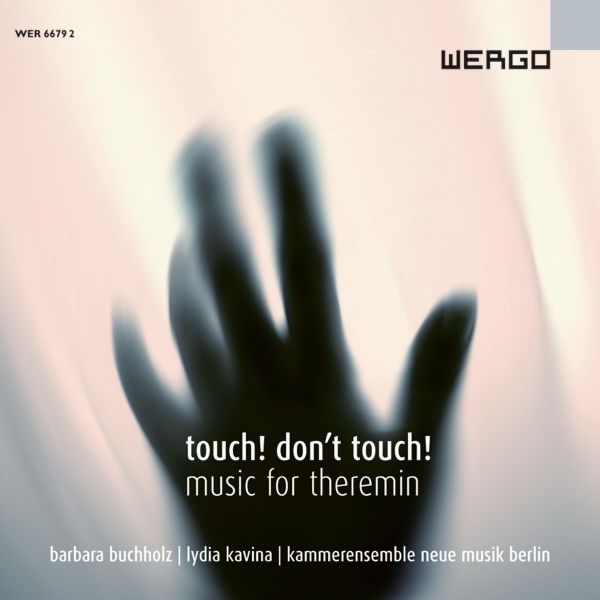 December 12, 2006
Choral
-
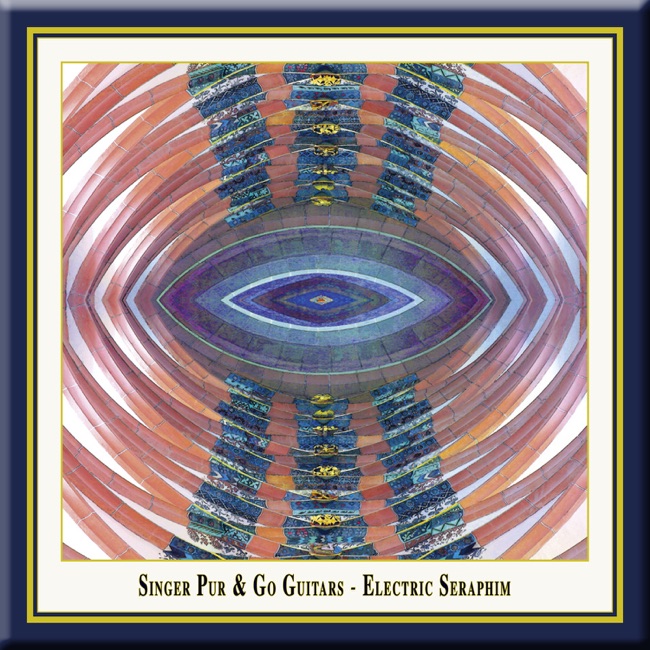 July 29, 2005
Chamber
-
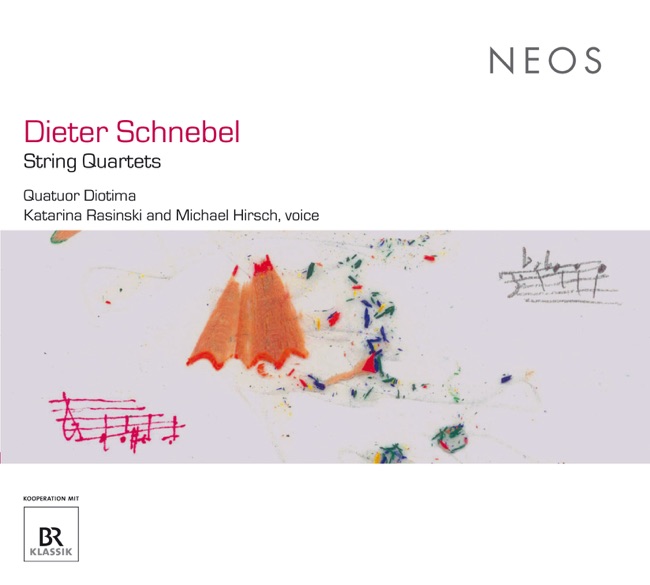 August 31, 2010
Artist Info
Role:Composer PerformerBirth:1958Period:ContemporaryGenre:Avant-GardeMichael Hirsch was a renowned classical music composer who was born on May 12, 1956, in Vienna, Austria. He was the youngest of three children born to a family of musicians. His father was a violinist, and his mother was a pianist. From a young age, Hirsch was exposed to classical music and began playing the piano at the age of four. Hirsch's parents recognized his talent and enrolled him in the Vienna Conservatory of Music when he was six years old. He studied piano, composition, and music theory under the tutelage of some of the most renowned music teachers in Austria. Hirsch's talent was evident from an early age, and he quickly became known for his exceptional musical abilities. In 1974, Hirsch graduated from the Vienna Conservatory of Music with honors. He then went on to study at the Vienna University of Music and Performing Arts, where he earned a degree in composition. During his time at the university, Hirsch was exposed to a wide range of musical styles and began to develop his own unique style of composition. Hirsch's early works were heavily influenced by the classical music of the 18th and 19th centuries. He was particularly drawn to the works of Mozart, Beethoven, and Brahms. However, as he continued to develop as a composer, Hirsch began to incorporate more modern elements into his music. He was particularly interested in the works of 20th-century composers such as Stravinsky, Bartok, and Shostakovich. Hirsch's first major work was his Symphony No. 1, which he composed in 1978. The symphony was well-received by critics and established Hirsch as a promising young composer. Over the next few years, Hirsch continued to compose a wide range of works, including chamber music, piano sonatas, and operas. One of Hirsch's most notable works was his opera, "The Tempest," which he composed in 1985. The opera was based on the play by William Shakespeare and was a critical and commercial success. It was performed in opera houses around the world and established Hirsch as one of the leading composers of his generation. Throughout his career, Hirsch continued to experiment with different musical styles and techniques. He was particularly interested in incorporating elements of folk music into his compositions. This can be seen in works such as his "Hungarian Rhapsody" for piano and his "Balkan Dances" for orchestra. Hirsch's later works were characterized by a more introspective and contemplative style. He was particularly interested in exploring the themes of love, loss, and mortality. This can be seen in works such as his "Requiem" for choir and orchestra and his "String Quartet No. 3." Hirsch's contributions to classical music were recognized with numerous awards and honors throughout his career. He was awarded the Austrian State Prize for Music in 1992 and was inducted into the Vienna Academy of Music and Performing Arts in 1998. In 2004, he was awarded the prestigious Ernst von Siemens Music Prize for his contributions to contemporary classical music. Tragically, Hirsch's career was cut short when he passed away in 2006 at the age of 50. However, his legacy lives on through his music, which continues to be performed and celebrated by musicians and audiences around the world. Hirsch's contributions to classical music have had a lasting impact on the genre, and he will always be remembered as one of the most talented and innovative composers of his generation.More....
Recent Artist Music
Copyright Ⓒ 2013 Davinci Finger. All rights reseved
Service Terms & Policy