


Dieter Schnebel
Released Album
Chamber
-
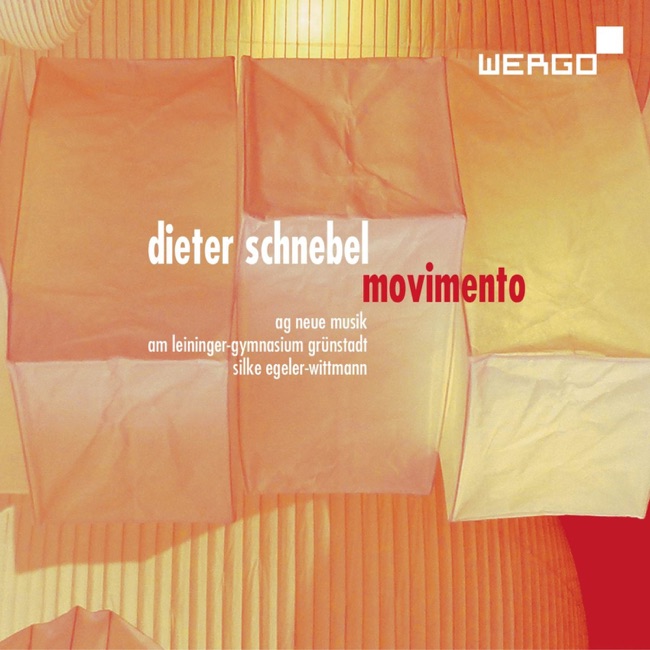 February 10, 2017
 -
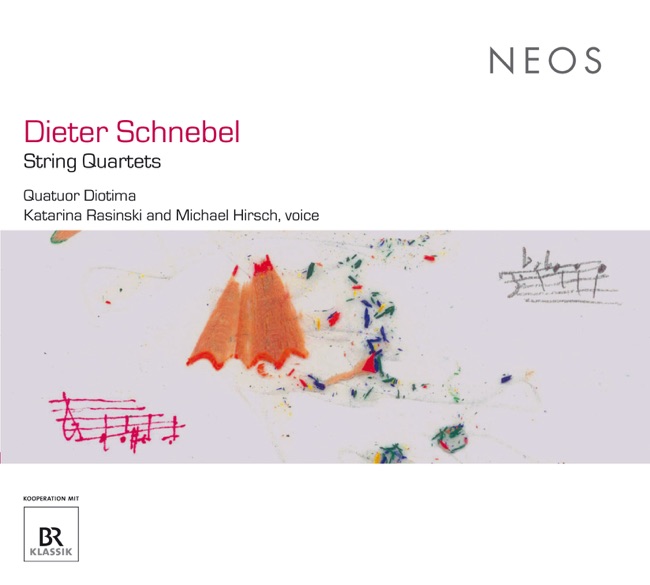 August 31, 2010
 -
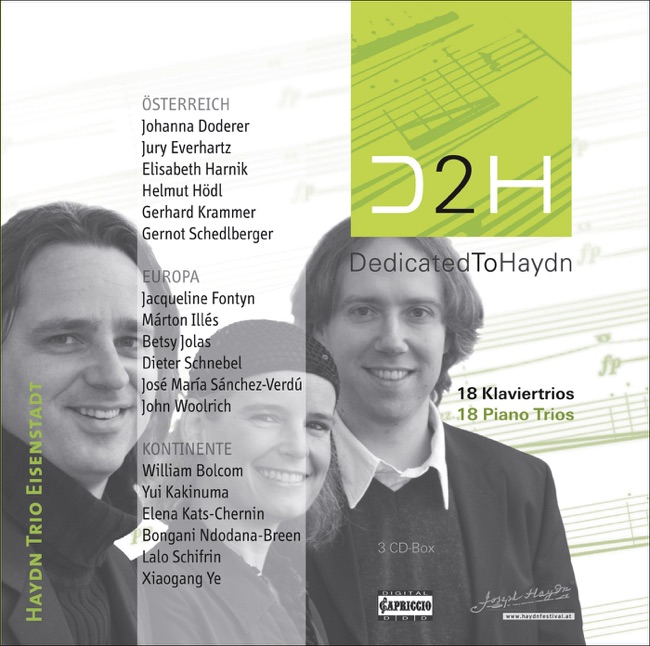 August 25, 2009
 -
 November 21, 2000
 -
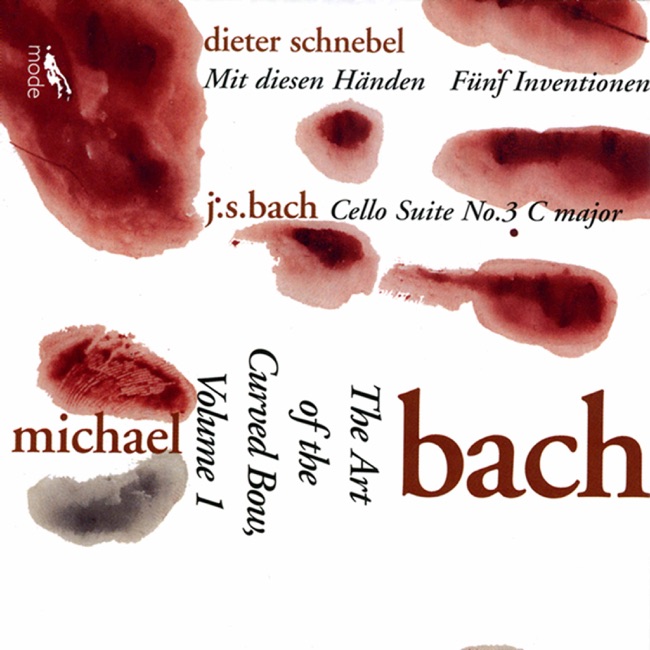 March 19, 1996
Orchestral
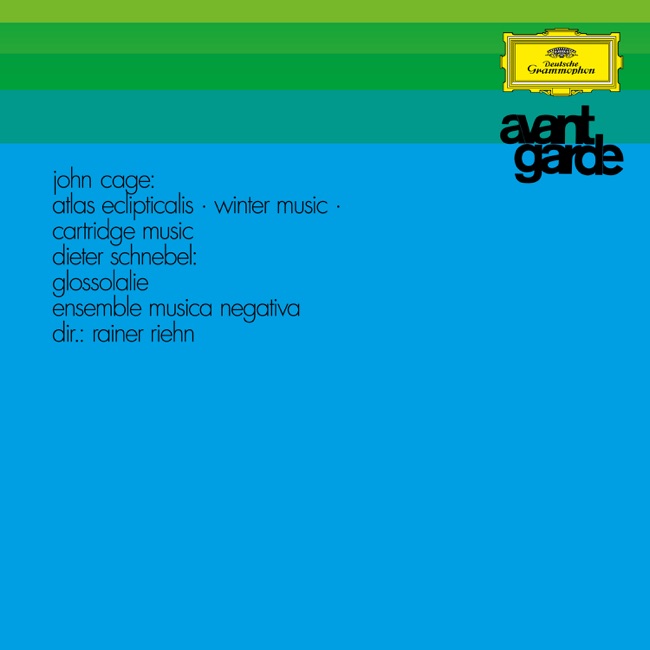
Miscellaneous
-
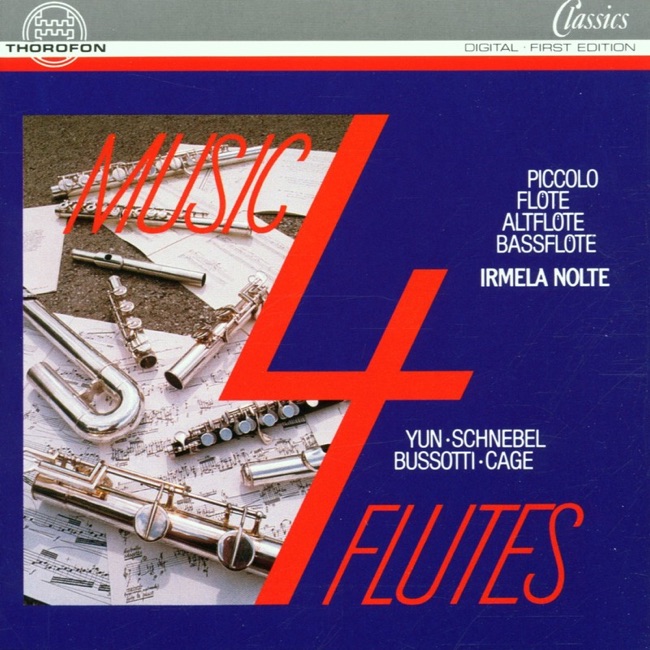 October, 1993
Artist Info
Role:ComposerCountry: GermanyBirth:1930 in Lahr, GermanyDeath:2018Period:ContemporaryModernGenre:Avant-GardeChamberKeyboardVocalDieter Schnebel was a German composer, musicologist, and theologian who was born on March 14, 1930, in Lahr, Germany. He was one of the most influential composers of the 20th century, known for his experimental and avant-garde approach to music composition. Schnebel's works were characterized by their unconventional use of sound, space, and time, and his compositions often challenged traditional musical forms and structures. Schnebel's interest in music began at an early age, and he started playing the piano when he was just six years old. He went on to study musicology, theology, and philosophy at the University of Freiburg, where he earned his doctorate in 1957. During his studies, Schnebel was heavily influenced by the works of Arnold Schoenberg, Anton Webern, and Karlheinz Stockhausen, and he became interested in the possibilities of serialism and atonality in music. In the 1950s, Schnebel began composing his own music, and his early works were heavily influenced by the serialist and atonal styles of his predecessors. However, as he continued to develop his own style, Schnebel began to experiment with new forms of musical expression, incorporating elements of chance, improvisation, and performance art into his compositions. One of Schnebel's most famous works is his "Maulwerke" (Mouthworks), which he composed in 1968. The piece is a vocal composition that features performers making a variety of sounds with their mouths, including clicks, pops, and hisses. The performers are instructed to improvise and create their own sounds, and the piece is meant to be performed in a darkened room, with the performers moving around the space and interacting with the audience. Another notable work by Schnebel is his "Schubert-Phantasie" (Schubert Fantasy), which he composed in 1978. The piece is a reimagining of Franz Schubert's "Fantasy in F minor" for piano four-hands, and Schnebel's version features a variety of unconventional instruments, including a typewriter, a toy piano, and a bicycle bell. The piece is meant to be performed in a theatrical manner, with the performers moving around the stage and interacting with the audience. Throughout his career, Schnebel continued to push the boundaries of musical expression, and his works often incorporated elements of performance art, theater, and dance. He was also a prolific writer and musicologist, and he published several books on music theory and aesthetics, including "The Philosophy of New Music" and "The Sound of Music." Schnebel's contributions to the world of music were recognized with numerous awards and honors, including the Ernst von Siemens Music Prize in 1992 and the Berlin Art Prize in 2005. He continued to compose and perform music until his death on May 20, 2018, at the age of 88. In conclusion, Dieter Schnebel was a pioneering composer who pushed the boundaries of musical expression and challenged traditional forms and structures. His works were characterized by their experimental and avant-garde approach, and he incorporated elements of chance, improvisation, and performance art into his compositions. Schnebel's contributions to the world of music continue to inspire and influence composers and performers around the world.More....





Copyright Ⓒ 2013 Davinci Finger. All rights reseved
Service Terms & Policy