


Wojciech Kilar
Released Album
Orchestral
-
 April 8, 2022
 -
 July 17, 2020
 -
-
 April 28, 2015
 -

-
 April 27, 2004
Choral
-
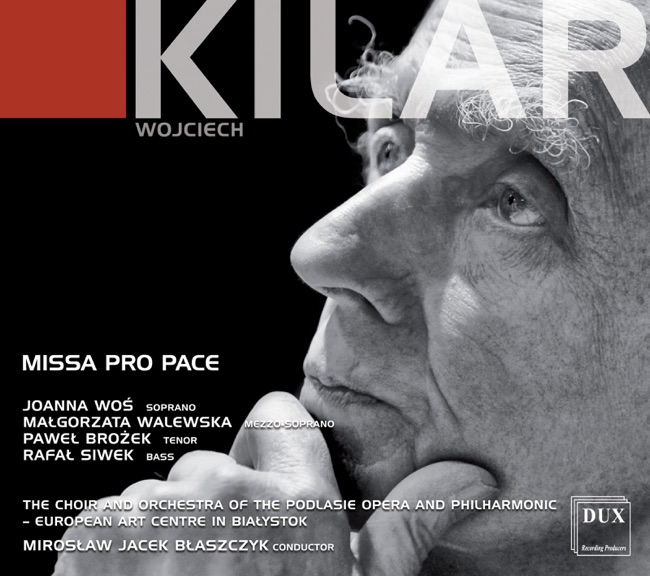 April 6, 2018
 -
 February 20, 2012
 -
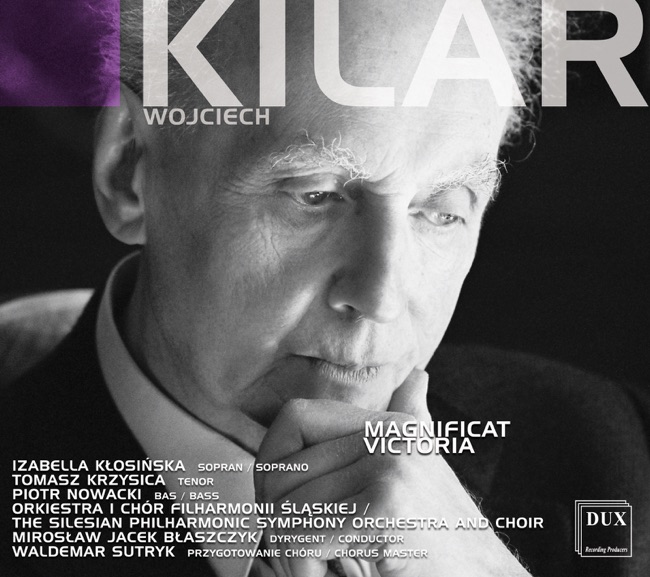 January 1, 2007
 -
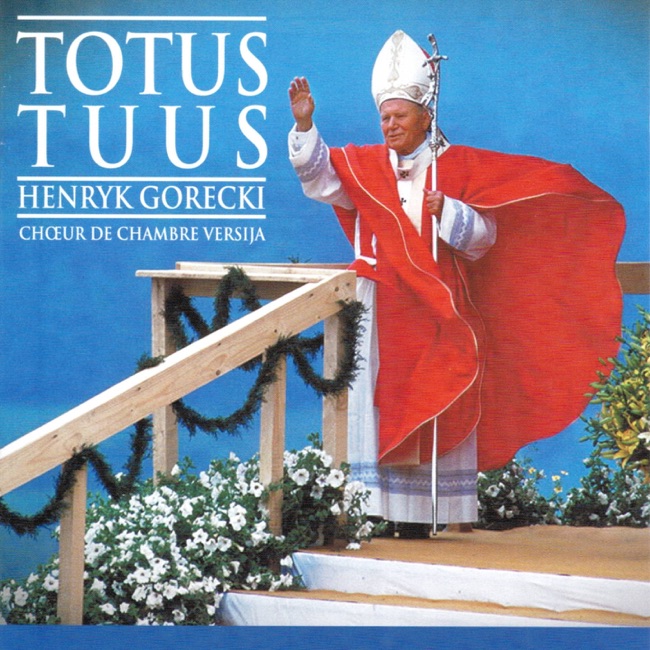 July 26, 2005
 -
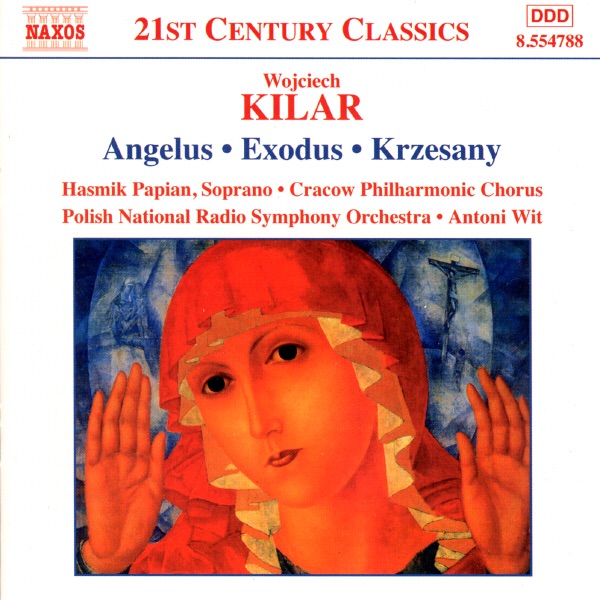 February 19, 2002
 -
 September 25, 2001
Film
-
 November 14, 2014
 -
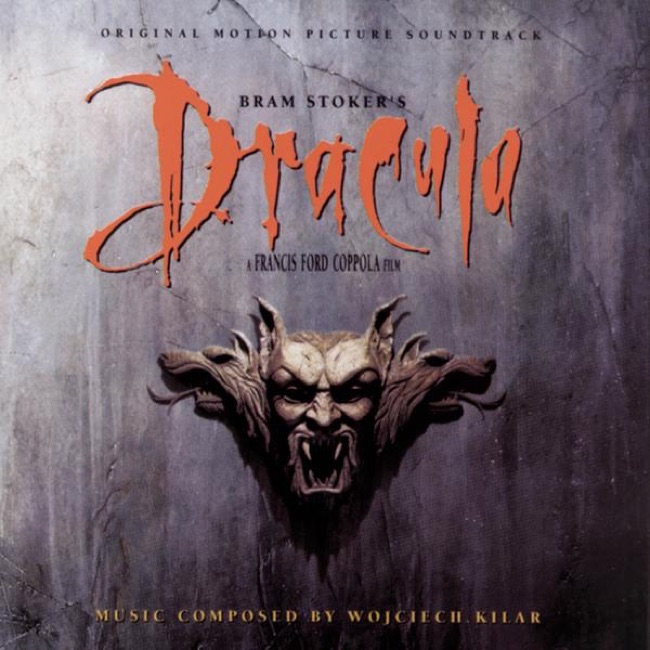 February 1, 2008
 -
 January 21, 2003
 -
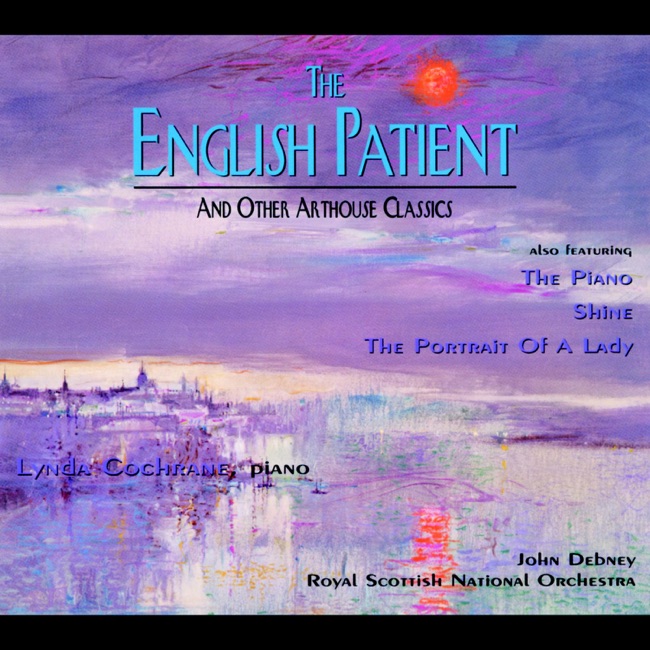 October 10, 2000
Chamber
-

-
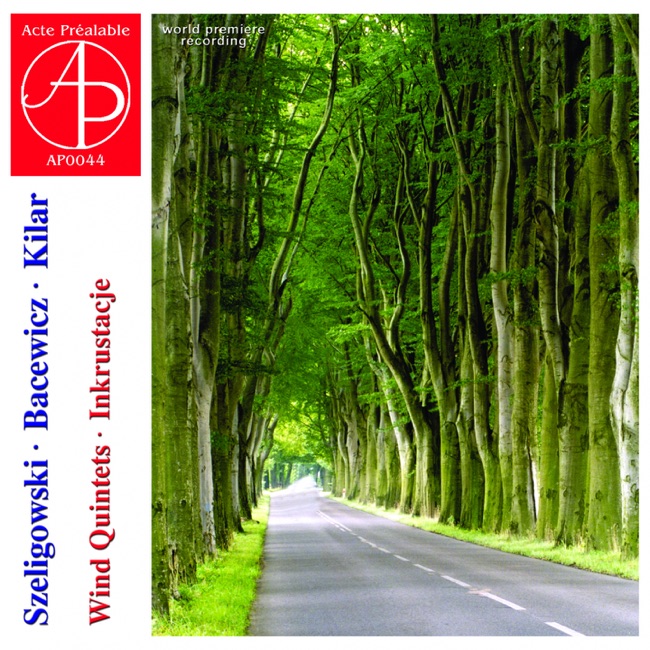 August 10, 2017
 -
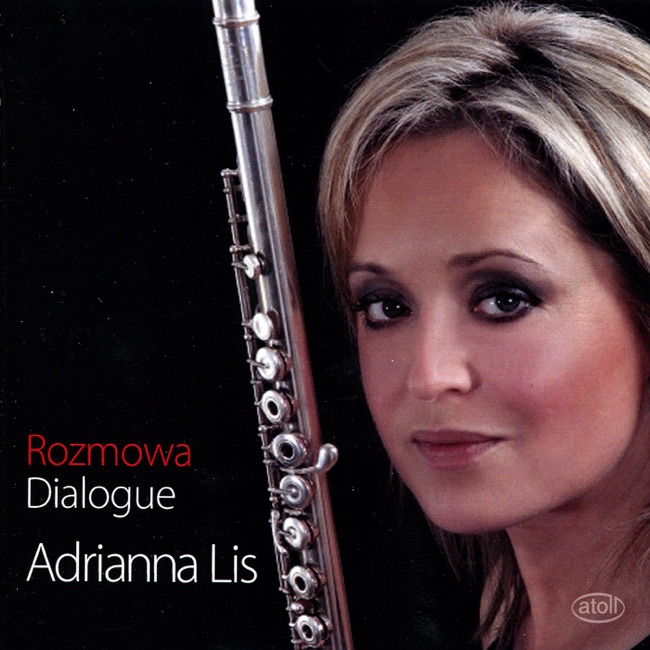 August 13, 2012
 -
 February 28, 2012
Artist Info
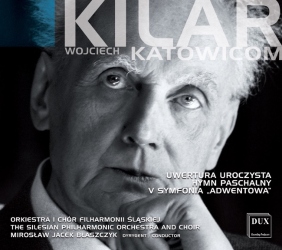
Role:ComposerCountry: PolandBirth:July 17, 1932 in Lviv, UkraineDeath:December 29, 2013 in Katowice, PolandGenre:ChoralFilmOrchestralWojciech Kilar was a Polish classical music composer born on July 17, 1932, in Lwów, Poland (now Lviv, Ukraine). He was the son of a doctor and a pianist, and his parents encouraged his musical talents from a young age. Kilar began studying piano and composition at the State Higher School of Music in Katowice, Poland, where he was mentored by composer Bolesław Szabelski. Kilar's early works were heavily influenced by the neoclassical style of his mentor, but he soon began to develop his own unique voice. In the 1960s, Kilar became associated with the "Polish School" of composition, which emphasized the use of folk melodies and rhythms in classical music. Kilar's works from this period, such as his Symphony No. 1 and his Piano Concerto, are characterized by their use of traditional Polish folk music. In the 1970s, Kilar began to experiment with more avant-garde styles, incorporating elements of serialism and aleatoric music into his compositions. This period saw the creation of some of Kilar's most famous works, including his Symphony No. 2 "Copernican" and his choral work "Bogurodzica." Kilar's music gained international recognition in the 1980s, when he began to receive commissions from orchestras and opera companies around the world. His most famous work from this period is his score for Francis Ford Coppola's 1992 film "Bram Stoker's Dracula," which won a Grammy Award for Best Score Soundtrack for Visual Media. Throughout his career, Kilar remained committed to his Polish roots, and many of his works are inspired by Polish history and culture. He was also deeply influenced by his Catholic faith, and his music often reflects his spiritual beliefs. Kilar's later works, such as his Symphony No. 3 and his String Quartet No. 2, are characterized by their use of minimalist techniques and their exploration of the relationship between sound and silence. Kilar continued to compose until his death on December 29, 2013, in Katowice, Poland. Overall, Wojciech Kilar was a prolific and influential composer whose works continue to be performed and celebrated around the world. His unique blend of traditional Polish folk music, avant-garde techniques, and spiritual themes make him one of the most important figures in 20th-century classical music.More....
Recent Artist Music




12
6:19

Recommend Playlist



Related Artists
Copyright Ⓒ 2013 Davinci Finger. All rights reseved
Service Terms & Policy