


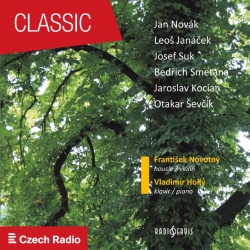
Jan Novak
Released Album
Chamber
-
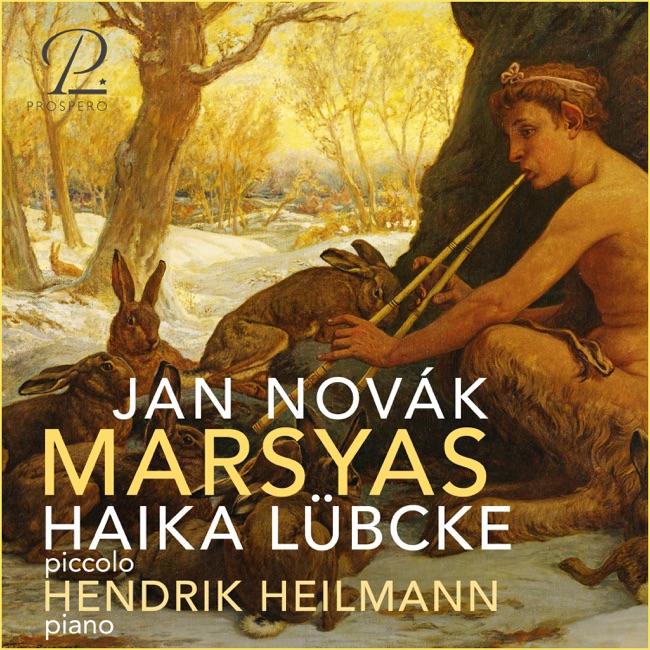 December 2, 2022
 -
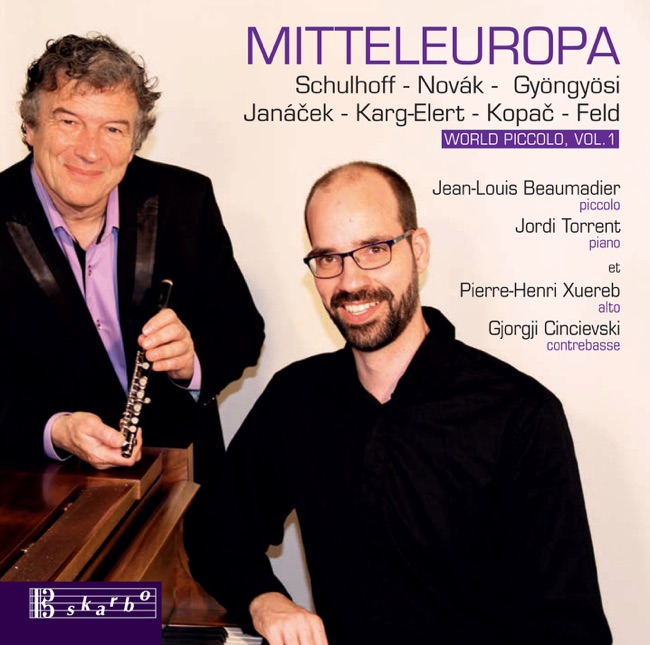 October 29, 2013
 -
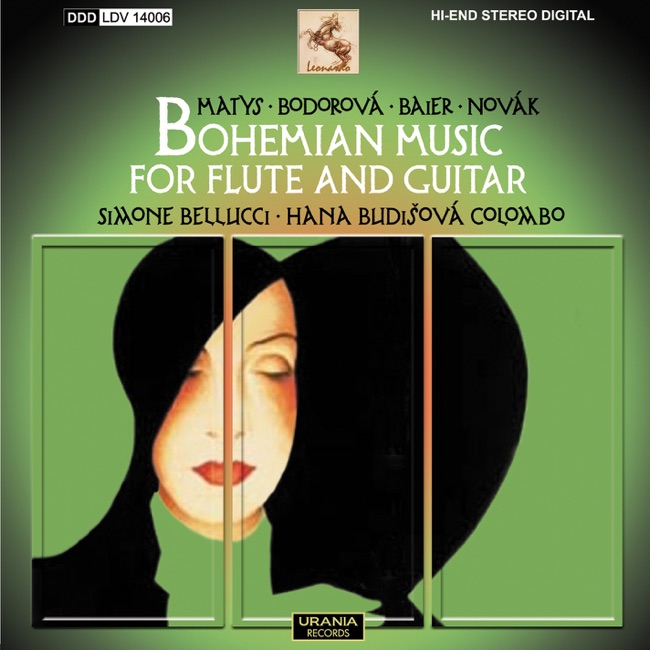 July 2, 2012
 -
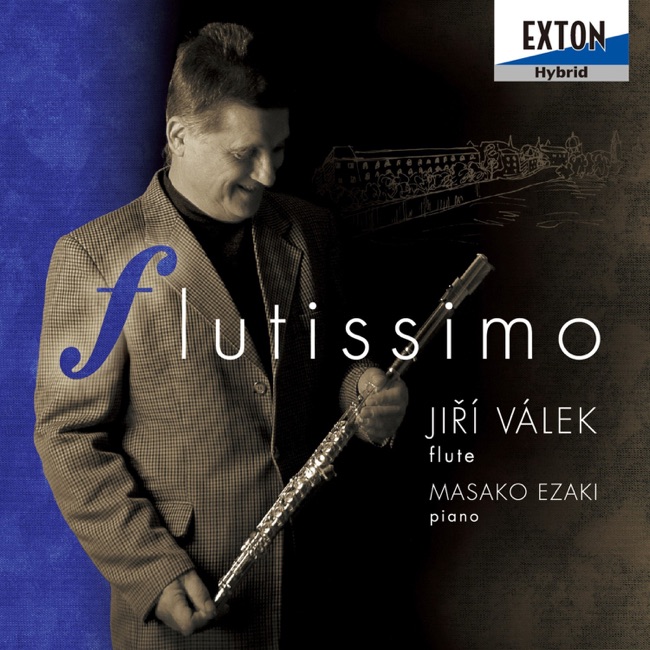 2003
2003 -
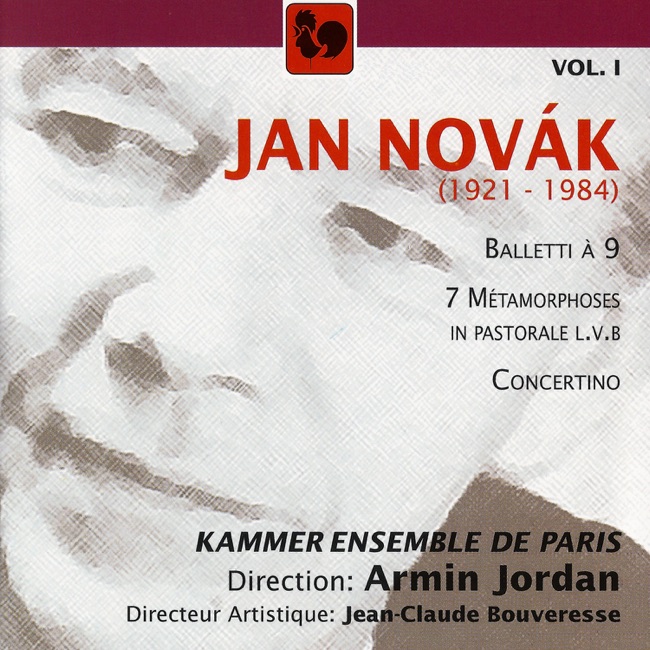 July 27, 1999
 -
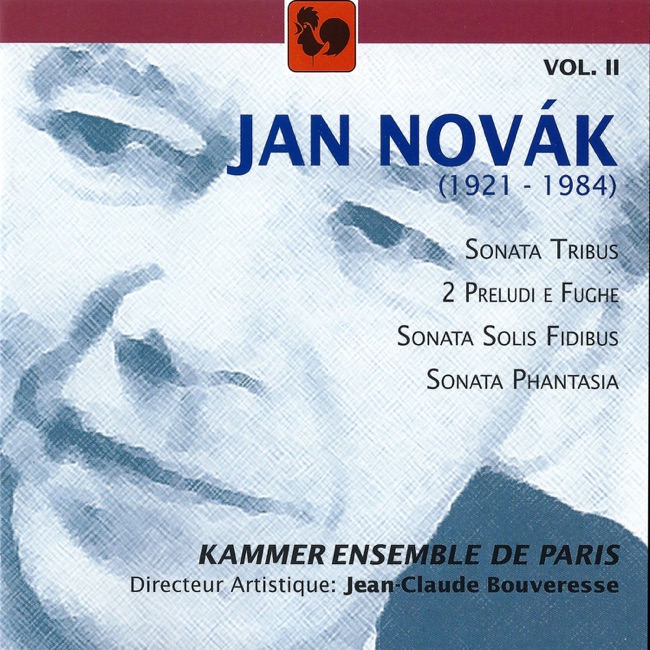 July 27, 1999
Choral
-
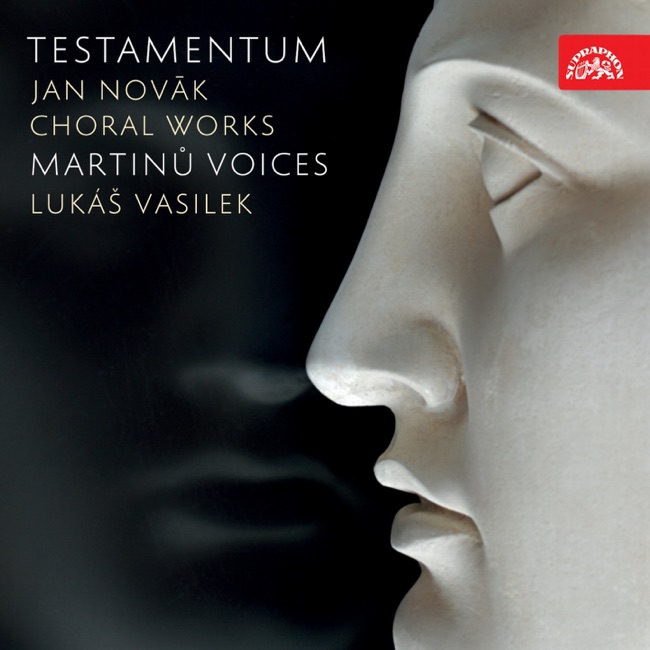 July 29, 2014
 -
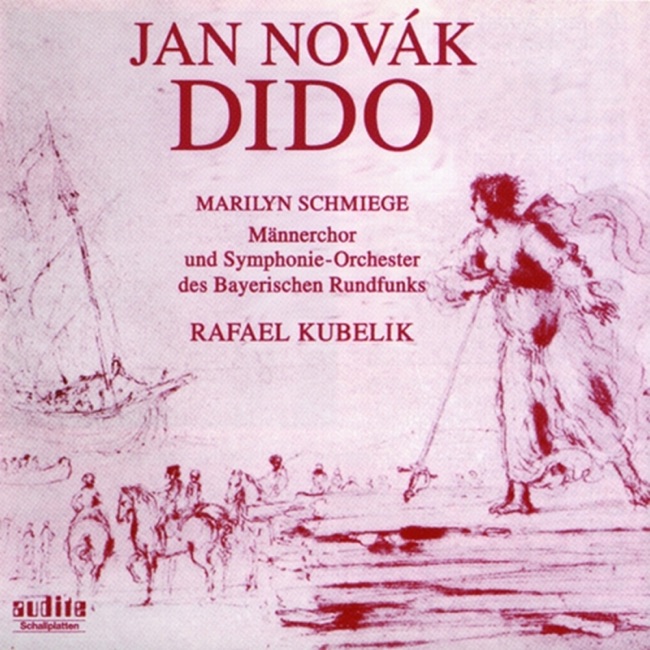 April 24, 2001
 -
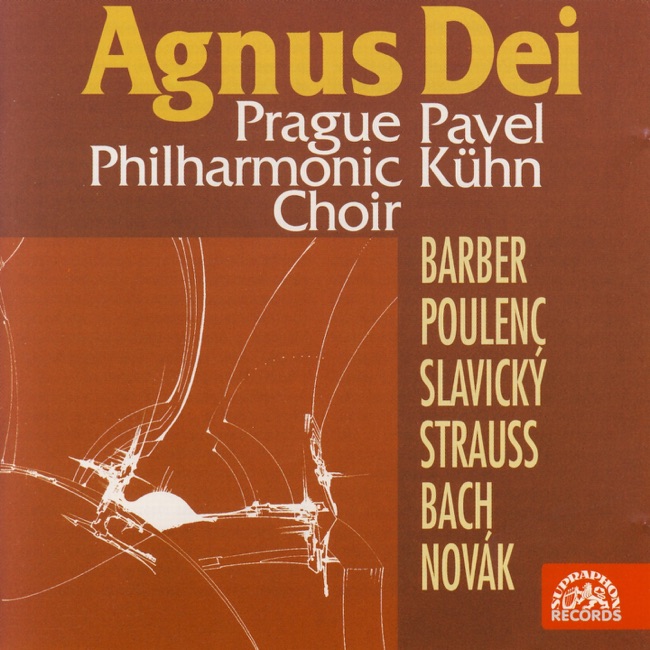 September 19, 1995
Concerto
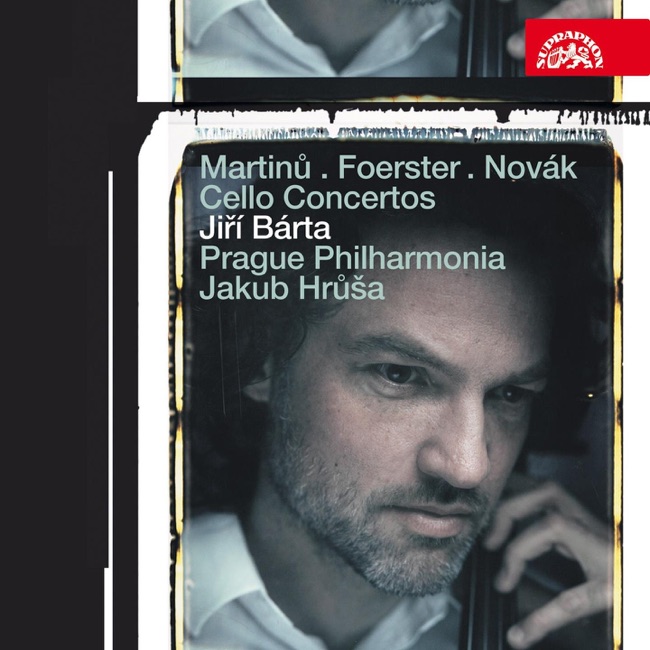
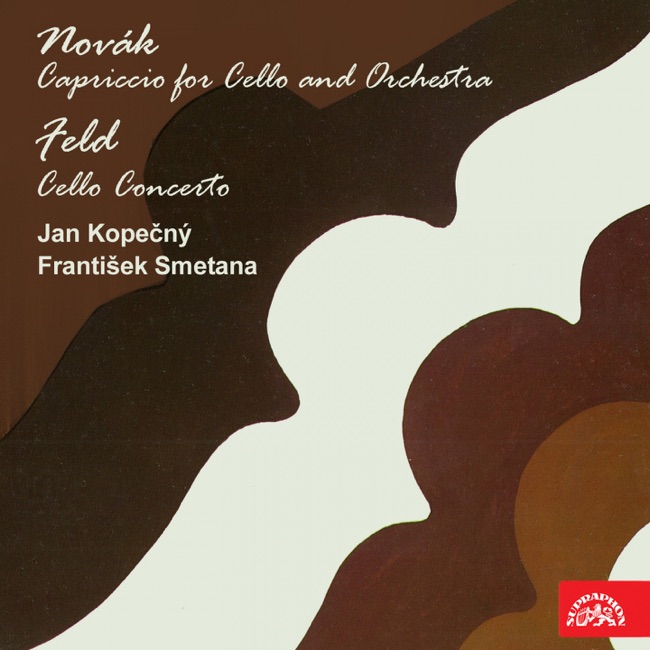
Artist Info
Role:ComposerBirth:1921Death:1984Genre:ChamberConcertoJan Novak was a Czech composer born on May 12, 1921, in Prague. He was the son of a music teacher and grew up in a musical family. Novak showed an early interest in music and began playing the piano at the age of six. He later studied composition at the Prague Conservatory, where he was a student of Alois Haba, a prominent Czech composer. Novak's early works were influenced by the avant-garde music of the 1920s and 1930s, particularly the works of Arnold Schoenberg and Anton Webern. He was also influenced by the music of his Czech contemporaries, including Bohuslav Martinu and Pavel Haas. Novak's early compositions were characterized by their use of dissonance and unconventional harmonies. During World War II, Novak was conscripted into the Czech army and served as a military musician. After the war, he returned to Prague and continued his studies at the Academy of Performing Arts. He also began to establish himself as a composer, with his works being performed at concerts and festivals throughout Czechoslovakia. In the 1950s, Novak's music began to evolve, and he began to incorporate elements of folk music into his compositions. He also began to experiment with different forms and structures, including serialism and aleatoric music. Novak's music during this period was characterized by its complexity and technical virtuosity. One of Novak's most significant works from this period is his Symphony No. 1, which was premiered in 1953. The symphony is a complex and challenging work that incorporates elements of serialism and aleatoric music. It was well-received by critics and established Novak as one of the leading composers of his generation. In the 1960s, Novak's music became more accessible, and he began to incorporate more tonal elements into his compositions. He also began to experiment with electronic music, using tape recorders and synthesizers to create new sounds and textures. Novak's music during this period was characterized by its lyricism and emotional depth. One of Novak's most significant works from this period is his String Quartet No. 3, which was premiered in 1965. The quartet is a lyrical and expressive work that incorporates elements of folk music and electronic music. It was well-received by critics and established Novak as one of the leading composers of his generation. In the 1970s, Novak's music became more introspective, and he began to explore themes of spirituality and mysticism. He also began to incorporate elements of minimalism into his compositions, using repetition and simple harmonic structures to create a sense of timelessness. Novak's music during this period was characterized by its simplicity and meditative quality. One of Novak's most significant works from this period is his Symphony No. 4, which was premiered in 1978. The symphony is a minimalist work that uses repetition and simple harmonic structures to create a sense of timelessness. It was well-received by critics and established Novak as one of the leading composers of his generation. Novak continued to compose throughout the 1980s and 1990s, although his output slowed down as he grew older. He continued to explore themes of spirituality and mysticism in his music, and he also began to incorporate elements of world music into his compositions. Novak's music during this period was characterized by its introspection and spiritual depth. Jan Novak died on December 17, 1984, in Prague.More....
Recent Artist Music
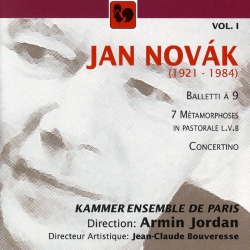
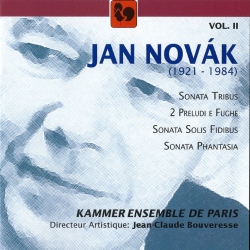
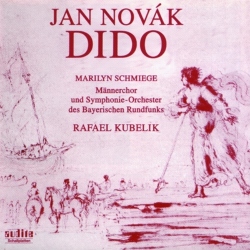
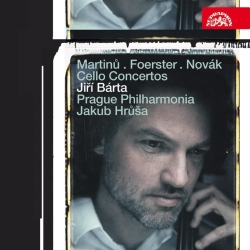
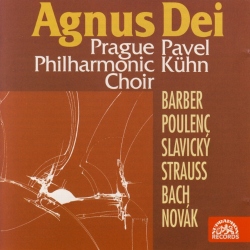
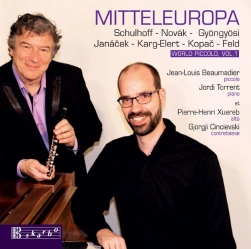
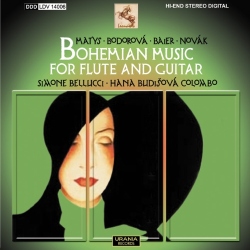
9
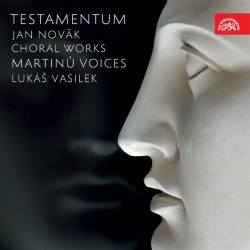
9:8
10
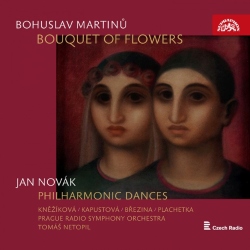
7:9
11
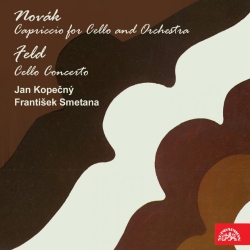
4:30
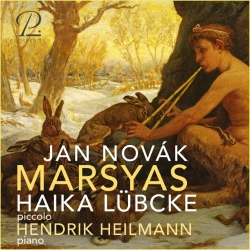
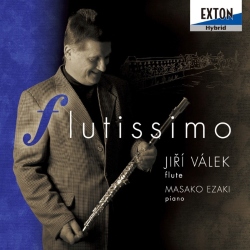
Copyright Ⓒ 2013 Davinci Finger. All rights reseved
Service Terms & Policy