


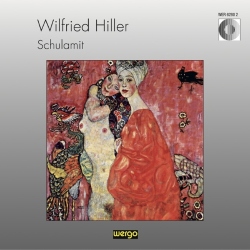
Wilfried Hiller
Released Album
Miscellaneous
-
 January 5, 2016
 -
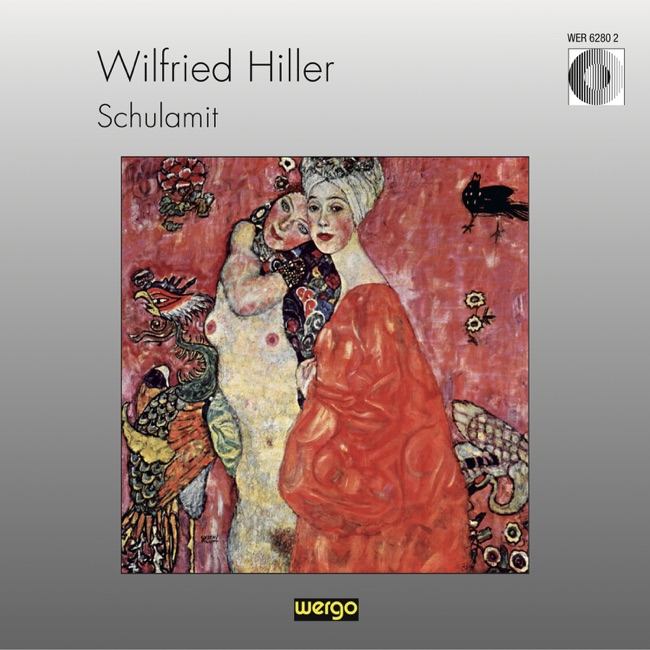
Vocal
-
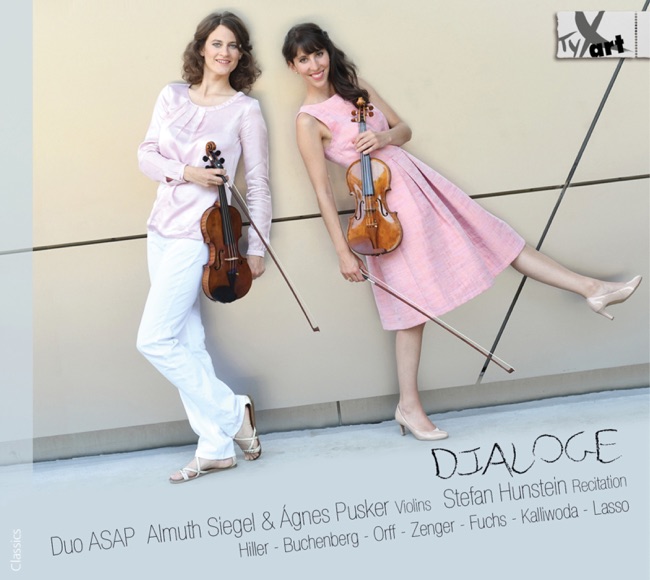 November 16, 2018
Opera
-
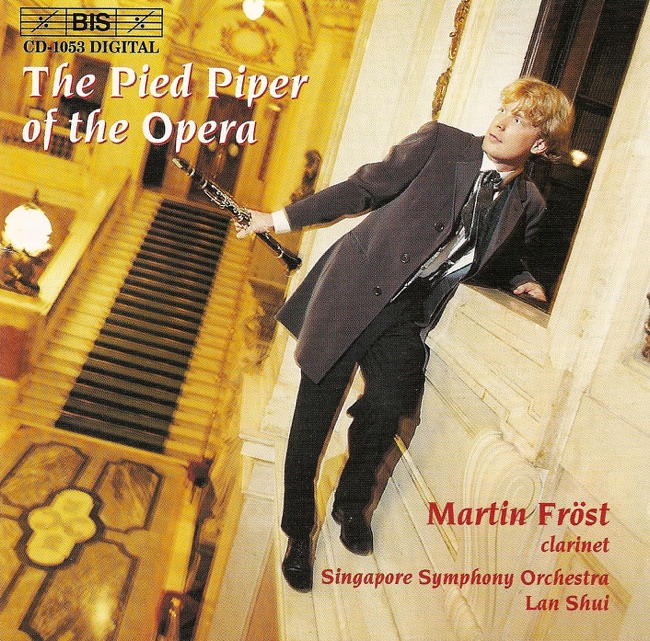 August 26, 2003
Artist Info
Role:Composer ConductorBirth:1941Period:ContemporaryGenre:ChamberChoralConcertoOperaWilfried Hiller is a German composer who was born on July 21, 1941, in Munich, Germany. He grew up in a musical family, with his father being a conductor and his mother a pianist. Hiller began playing the piano at a young age and showed a natural talent for music. He went on to study composition at the Hochschule für Musik und Theater München, where he was taught by the renowned composer Karl Amadeus Hartmann. Hiller's early works were heavily influenced by the avant-garde music of the 1960s, and he was associated with the New Music movement in Germany. His compositions from this period were characterized by their experimental nature, with Hiller exploring new techniques and sounds in his music. One of his most notable works from this period is "Klangräume" (Sound Spaces), a piece for orchestra and tape that was premiered in 1968. In the 1970s, Hiller's music began to shift towards a more tonal and accessible style. He started to incorporate elements of folk music and popular music into his compositions, creating a unique blend of styles. One of his most famous works from this period is "Die Hamletmaschine" (The Hamlet Machine), an opera based on the play by Heiner Müller. The opera premiered in 1979 and was a critical and commercial success. Throughout the 1980s and 1990s, Hiller continued to compose a wide range of works, including operas, ballets, and chamber music. He also became known for his collaborations with other artists, including the writer Peter Handke and the choreographer John Neumeier. One of his most notable works from this period is "Die Weisse Rose" (The White Rose), an opera based on the true story of a group of students who resisted the Nazi regime in Germany. In the 2000s, Hiller continued to compose new works and also revisited some of his earlier compositions, reworking them for new audiences. He also became involved in music education, teaching composition at the Hochschule für Musik und Theater München and serving as the director of the Bavarian Academy of Fine Arts from 2002 to 2008. Throughout his career, Hiller has received numerous awards and honors for his contributions to music. He was awarded the Bavarian Order of Merit in 1991 and the Order of Merit of Berlin in 2001. He has also been recognized for his work as a composer and educator, receiving the Ernst von Siemens Music Prize in 2008 and the Bavarian Maximilian Order for Science and Art in 2011. Today, Hiller is considered one of the most important composers of his generation in Germany. His music has been performed by some of the world's leading orchestras and ensembles, and his influence can be heard in the work of many younger composers. Despite his many achievements, Hiller remains committed to exploring new sounds and techniques in his music, and his work continues to evolve and inspire.More....
Recent Artist Music
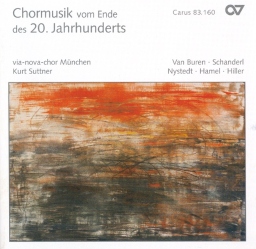
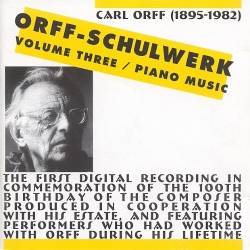
5

The scattered spectacled snake
Die zerstreute Brillenschlange for Narrator, Clarinet and Bordun
5:50

Copyright Ⓒ 2013 Davinci Finger. All rights reseved
Service Terms & Policy