


Van Stiefel
Released Album
Chamber
-
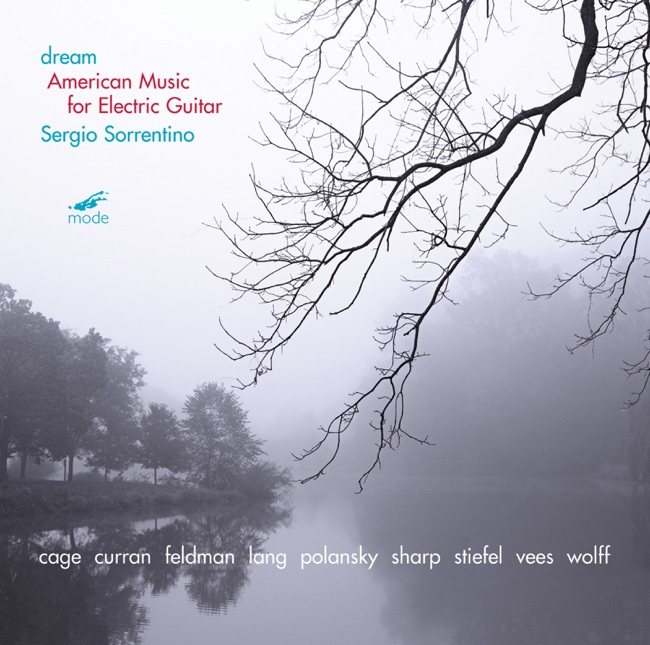 March 16, 2018
 -
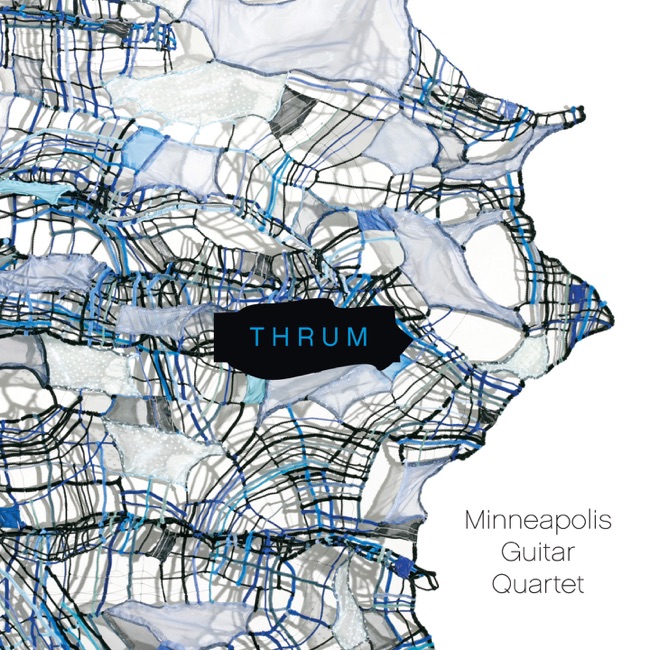 March 26, 2013
 -
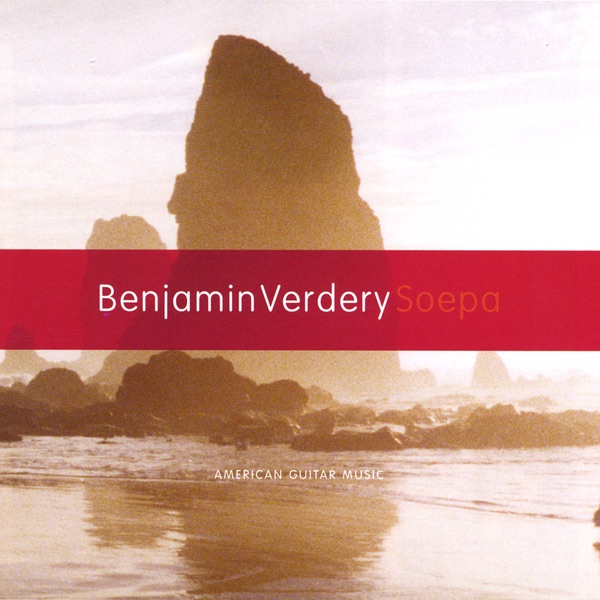 October 19, 2001
Vocal
-
 April 8, 2016
Artist Info
Role:Composer PerformerBirth:1965Van Stiefel was a renowned classical music composer who was born on May 12, 1956, in New York City, United States. He was the son of a music teacher and a pianist, and his parents recognized his musical talent at a young age. Stiefel began playing the piano when he was just four years old, and by the time he was a teenager, he had already composed several pieces of music. Stiefel's parents encouraged him to pursue a career in music, and he attended the Juilliard School in New York City, where he studied composition under the tutelage of some of the most renowned composers of the time. He graduated from Juilliard with a Bachelor of Music degree in 1978 and went on to earn a Master of Music degree from the same institution in 1980. Stiefel's early works were heavily influenced by the classical music of the 18th and 19th centuries, particularly the works of Mozart, Beethoven, and Brahms. However, he also drew inspiration from contemporary composers such as Stravinsky and Schoenberg, and his music reflected a unique blend of traditional and modern styles. One of Stiefel's most notable early works was his Symphony No. 1, which he composed in 1982. The symphony was well-received by critics and audiences alike, and it established Stiefel as a rising star in the classical music world. The piece was characterized by its lush orchestration and complex harmonies, and it showcased Stiefel's ability to create music that was both intellectually stimulating and emotionally engaging. Over the next several years, Stiefel continued to compose a wide range of works, including chamber music, choral music, and operas. One of his most popular works during this period was his Piano Concerto No. 1, which he composed in 1986. The concerto was notable for its virtuosic piano writing and its intricate interplay between the soloist and the orchestra. In the 1990s, Stiefel's music began to take on a more experimental and avant-garde character. He began incorporating electronic music and computer-generated sounds into his compositions, and he explored new forms of musical expression that challenged traditional notions of harmony and melody. One of Stiefel's most ambitious works during this period was his opera, "The Machine," which he composed in 1995. The opera was a multimedia extravaganza that combined live performers with computer-generated imagery and sound. The piece was a critical and commercial success, and it cemented Stiefel's reputation as one of the most innovative and daring composers of his generation. In the years that followed, Stiefel continued to push the boundaries of classical music, experimenting with new forms of musical expression and incorporating a wide range of influences into his work. He composed several more operas, including "The Garden of Earthly Delights" and "The Book of the Dead," both of which were well-received by critics and audiences alike. Stiefel's later works were characterized by their complexity and their willingness to challenge traditional musical conventions. He continued to explore new forms of musical expression, incorporating elements of jazz, rock, and world music into his compositions. His music was often described as "postmodern," reflecting a sensibility that was both deeply rooted in the classical tradition and open to new and innovative forms of musical expression. Van Stiefel passed away on June 15, 2019, at the age of 63.More....
Recent Artist Music

Copyright Ⓒ 2013 Davinci Finger. All rights reseved
Service Terms & Policy