


Mark Rimple
Released Album
Chamber
-
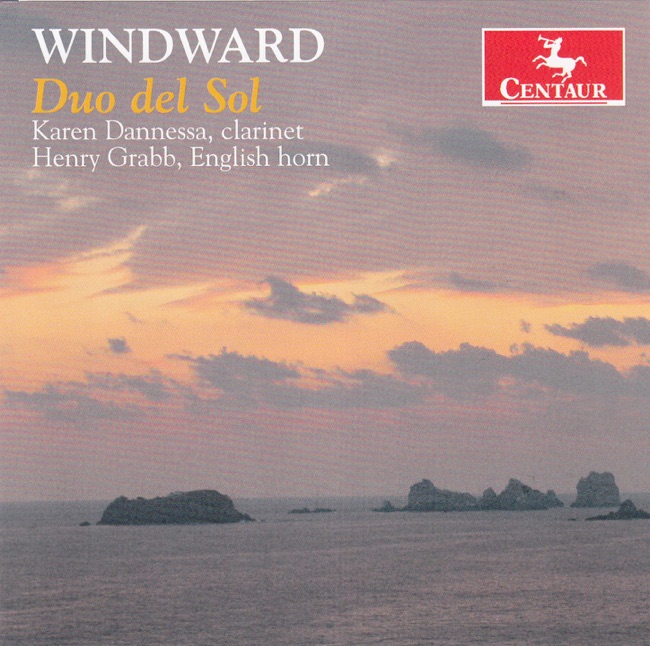 August 14, 2015
 -
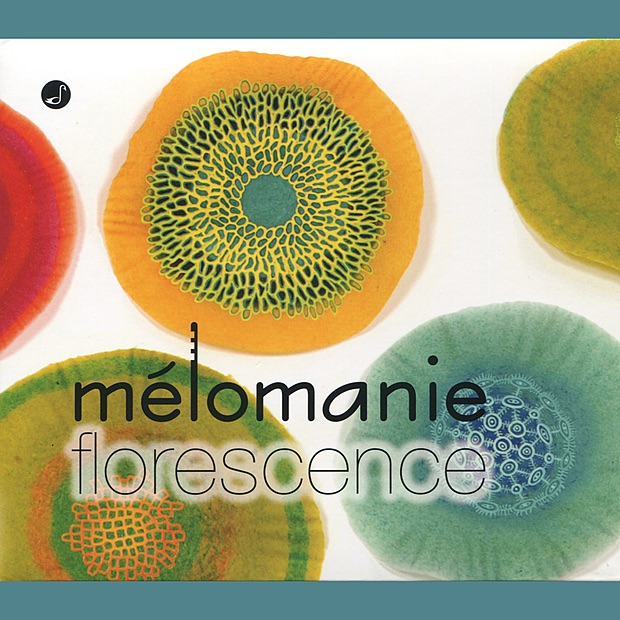 February 1, 2011
Vocal
-
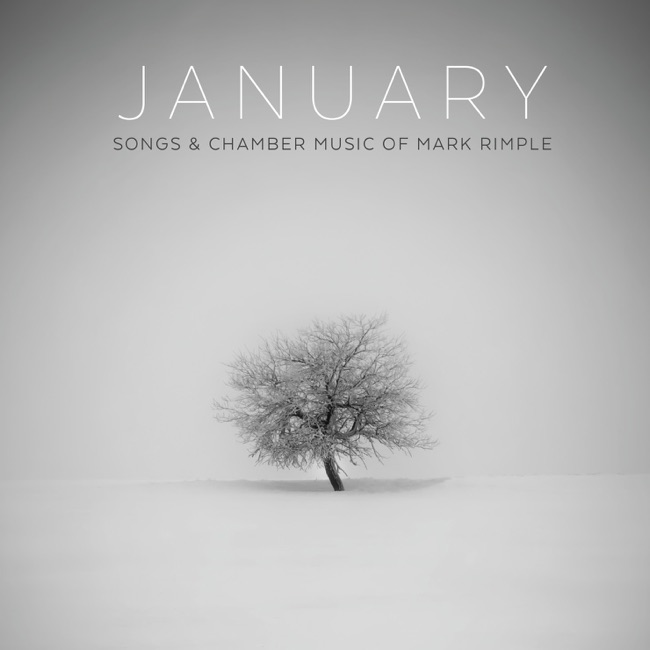 April 8, 2016
Artist Info
Role:ComposerMark Rimple is a contemporary classical music composer who was born in 1958 in Philadelphia, Pennsylvania. He grew up in a family of musicians, with his father being a jazz pianist and his mother a classical pianist. Rimple began playing the piano at a young age and later learned to play the guitar and bass. Rimple attended the University of Pennsylvania, where he earned a Bachelor of Arts degree in music. He then went on to study composition at the New England Conservatory of Music in Boston, where he earned a Master of Music degree. Rimple's compositions are influenced by a variety of musical styles, including classical, jazz, and folk music. He is known for his use of unconventional instruments, such as the hurdy-gurdy and the nyckelharpa, in his compositions. One of Rimple's early works is his String Quartet No. 1, which was composed in 1985. The piece is characterized by its use of dissonance and unconventional harmonies. Rimple's use of extended techniques, such as col legno and sul ponticello, also adds to the unique sound of the piece. In 1990, Rimple composed his first opera, The Death of Webern. The opera is based on the life and death of the Austrian composer Anton Webern, who was accidentally shot by an American soldier at the end of World War II. The opera is notable for its use of spoken dialogue and its incorporation of Webern's music into the score. Rimple's interest in folk music is evident in his composition The Ballad of the Harp-Weaver, which was composed in 1995. The piece is based on the poem of the same name by Edna St. Vincent Millay and features the use of the harp and the nyckelharpa. The piece has been performed by numerous ensembles, including the Philadelphia Orchestra. In 2001, Rimple composed his Concerto for Hurdy-Gurdy and Orchestra. The piece features the hurdy-gurdy, an instrument that is rarely used in classical music. The concerto is characterized by its use of drones and its incorporation of folk melodies. Rimple's interest in early music is evident in his composition The Play of Daniel, which was composed in 2003. The piece is based on a medieval liturgical drama and features the use of medieval instruments, such as the recorder and the vielle. The piece has been performed by numerous ensembles, including the Boston Camerata. In 2010, Rimple composed his String Quartet No. 2, which is characterized by its use of polyrhythms and unconventional harmonies. The piece has been performed by numerous ensembles, including the Daedalus Quartet. Rimple's most recent work is his Concerto for Nyckelharpa and Orchestra, which was composed in 2018. The piece features the nyckelharpa, a Swedish instrument that is similar to the violin. The concerto is characterized by its use of Swedish folk melodies and its incorporation of electronic sounds. In addition to his work as a composer, Rimple is also a performer and educator. He has performed as a guitarist and bassist in numerous ensembles and has taught composition at the University of Pennsylvania and the New England Conservatory of Music. Overall, Mark Rimple is a contemporary classical music composer who is known for his use of unconventional instruments and his incorporation of folk music and early music into his compositions. His works have been performed by numerous ensembles and have received critical acclaim for their unique sound and innovative approach to composition.More....
Recent Artist Music
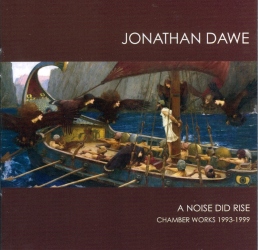
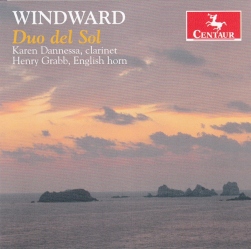
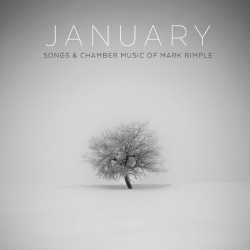
Copyright Ⓒ 2013 Davinci Finger. All rights reseved
Service Terms & Policy