


Nándor Götz
Released Album
Chamber
-
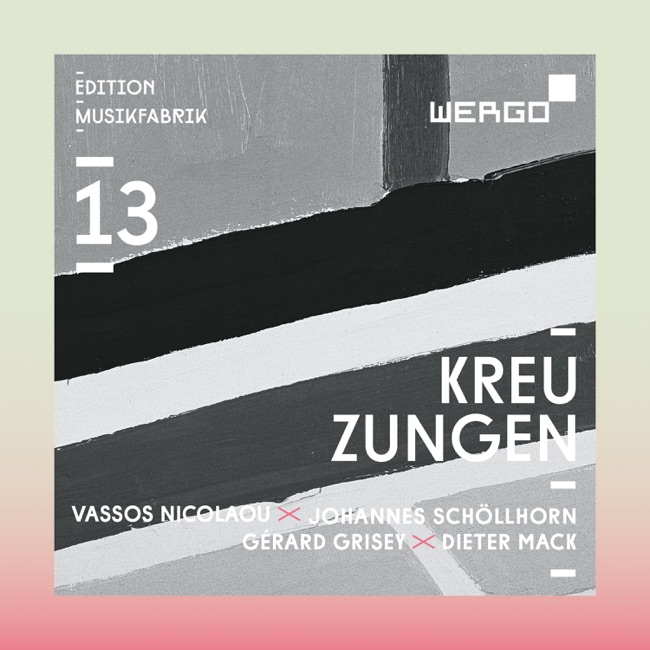 March 2, 2018
Concerto
-
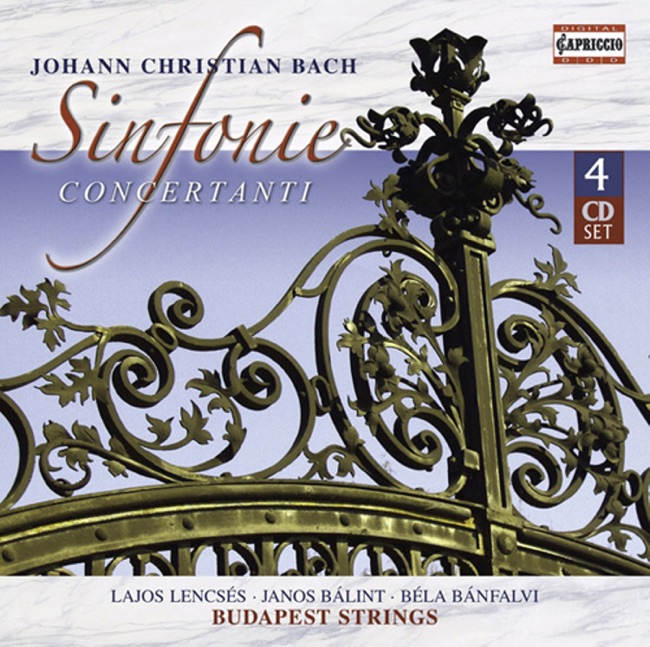 January 1, 2009
 -
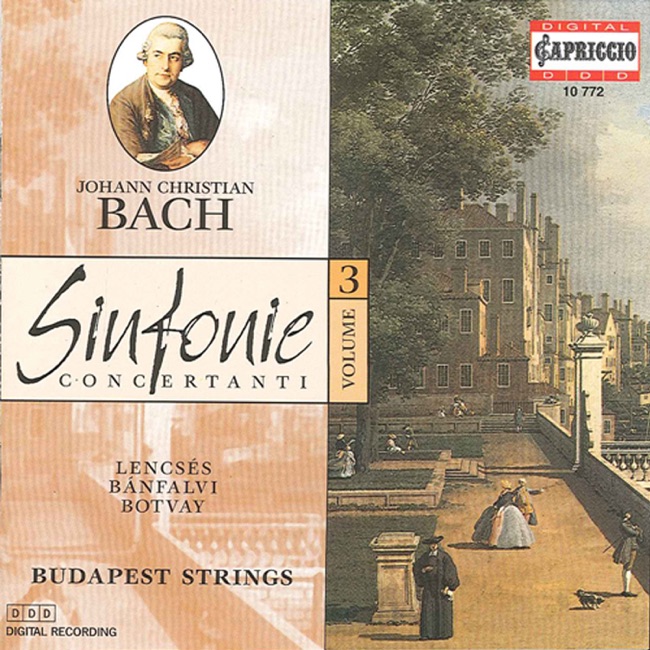 October 7, 1997
Vocal
-
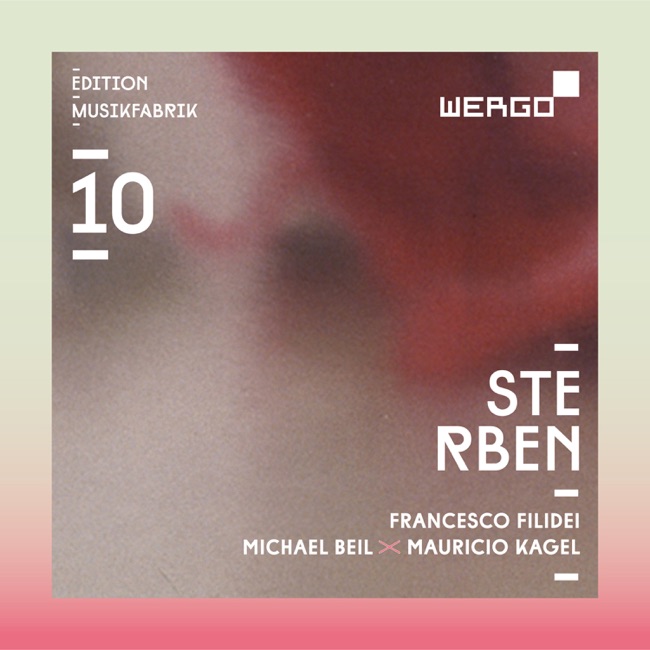 October 28, 2016
Artist Info
Period:ClassicalGenre:ConcertoNándor Götz was a Hungarian classical pianist and composer who was born on January 1, 1921, in Budapest, Hungary. He was the son of a prominent Hungarian composer and conductor, Lajos Götz, who was also his first music teacher. Nándor Götz showed an early interest in music and began playing the piano at the age of four. Götz's musical talent was recognized early on, and he was accepted into the Franz Liszt Academy of Music in Budapest at the age of 14. He studied under some of the most renowned Hungarian pianists and composers of the time, including Zoltán Kodály and Béla Bartók. Götz's talent and dedication to his craft were evident from the start, and he quickly became one of the academy's most promising students. In 1940, Götz made his debut as a concert pianist, performing Beethoven's Piano Concerto No. 3 with the Budapest Philharmonic Orchestra. The performance was a resounding success, and Götz quickly established himself as one of Hungary's most talented young pianists. He continued to perform regularly throughout Hungary and Europe, earning critical acclaim for his virtuosic playing and sensitive interpretations of classical works. During World War II, Götz's career was temporarily put on hold as he was conscripted into the Hungarian army. He served on the Eastern Front and was captured by Soviet forces in 1944. Götz spent the remainder of the war in a prisoner-of-war camp in Siberia, where he continued to practice the piano on a makeshift instrument made from spare parts. After the war, Götz returned to Hungary and resumed his career as a concert pianist. He quickly regained his status as one of Hungary's most prominent musicians, performing regularly with the country's leading orchestras and earning critical acclaim for his performances of works by Beethoven, Mozart, and Chopin. In 1956, Götz's career took a dramatic turn when he decided to defect to the West during a concert tour in Austria. He settled in the United States and began performing regularly in New York City and other major American cities. Götz's playing was widely praised for its technical brilliance and emotional depth, and he quickly became one of the most sought-after pianists in the country. Throughout the 1960s and 1970s, Götz continued to perform regularly in the United States and Europe, earning critical acclaim for his performances of works by Bach, Beethoven, and Chopin. He also began to focus more on his own compositions, which were heavily influenced by the Hungarian folk music he had grown up with. Götz's compositions were characterized by their intricate harmonies and rhythms, as well as their emotional intensity. In 1981, Götz was awarded the Kossuth Prize, Hungary's highest honor for artists and intellectuals. The award recognized Götz's contributions to Hungarian culture and his achievements as a pianist and composer. Götz continued to perform and compose until his death in 1994, leaving behind a legacy as one of Hungary's most talented and influential musicians. In conclusion, Nándor Götz was a Hungarian classical pianist and composer who was widely regarded as one of the most talented musicians of his generation. He began playing the piano at an early age and quickly established himself as a prodigious talent. Despite the disruptions of World War II and his defection to the West, Götz continued to perform and compose throughout his life, earning critical acclaim for his virtuosic playing and emotional depth.More....
Recent Artist Music
1
6:58
5
6:16
Copyright Ⓒ 2013 Davinci Finger. All rights reseved
Service Terms & Policy